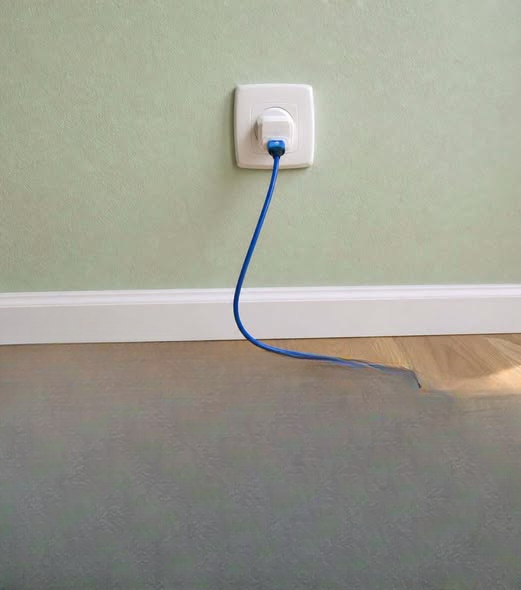
Electrical safety often comes down to small habits that are easy to overlook. Chargers and power adapters have become a normal part of everyday life, with most homes containing several of them for phones, tablets, laptops, headphones, smartwatches, and other electronic devices.
Because chargers are so familiar, it is easy to leave them connected to wall outlets long after the device has been disconnected. In many situations, an unused modern charger consumes only a small amount of electricity, and simply leaving one plugged in does not automatically mean that a dangerous situation will occur. However, electrical equipment can develop faults over time, particularly when it is damaged, poorly manufactured, exposed to heat, or used in unsuitable conditions.
Understanding how chargers work and recognizing signs of damage can help households make sensible decisions about electrical safety without unnecessary alarm.
What Happens When a Charger Remains Plugged In?
A typical power adapter converts electricity from a wall outlet into the voltage required by an electronic device. When the device is disconnected, many modern chargers enter a low-power state rather than continuing to operate at their normal load.
As a result, an unused charger generally consumes a relatively small amount of electricity. The exact amount depends on the design, age, efficiency, and quality of the adapter.
Although the energy use of one modern charger is usually minor, leaving multiple adapters connected continuously can contribute to unnecessary electricity consumption. Unplugging adapters that are not needed is therefore a simple way to reduce standby energy use.
The more important consideration, however, is the condition of the equipment.
A charger that is in good condition and designed according to appropriate safety standards is generally intended to operate safely under normal circumstances. Problems are more likely to arise when equipment has been damaged, modified, poorly manufactured, improperly stored, or exposed to conditions outside its intended use.
Why the Condition of a Charger Matters
Electronic components do not last forever. Repeated use, heat, moisture, dust, physical stress, and normal aging can eventually affect electrical equipment.
For example, an adapter that is frequently exposed to high temperatures may experience more stress than one kept in a cool, well-ventilated location. Similarly, a cable that is repeatedly bent sharply near the connector can eventually develop damaged insulation or internal conductors.
Visible damage is one of the easiest warning signs to identify.
Before using a charger, it can be helpful to look for cracked plastic, exposed wires, loose components, melted areas, unusual discoloration, or damaged connectors. If an adapter or cable appears compromised, continuing to use it may not be worth the risk.
Replacing damaged equipment is generally a better option than attempting an improvised repair.
Be Careful With Poor-Quality or Counterfeit Chargers
Not all chargers are manufactured to the same standards.
Reputable manufacturers generally design their power adapters with protective features intended to manage issues such as excessive current, overheating, or abnormal electrical conditions. Poorly manufactured or counterfeit products may not provide the same level of protection.
This does not mean that every inexpensive charger is automatically dangerous, nor does the price alone determine whether a product is safe. Instead, consumers should pay attention to the manufacturer, product labeling, appropriate certification or compliance markings for their market, and the condition of the product.
A charger that has an unusual smell, produces excessive heat, makes unexpected buzzing or crackling sounds, or shows signs of melting should be disconnected and replaced.
If a product appears suspicious or does not have reliable information about its manufacturer and specifications, choosing a properly documented replacement is a sensible precaution.
Heat Is a Sign Worth Paying Attention To
Some warmth during normal charger operation can be expected. Power conversion produces heat, and certain adapters may feel warm during use.
However, excessive or unusual heat should not be ignored.
If an adapter becomes significantly hotter than expected, especially when it is not powering a device that requires substantial energy, disconnect it and allow it to cool. If the problem happens repeatedly, replacing the adapter is a safer choice than continuing to use it.
Chargers should also have adequate ventilation. Avoid covering an adapter with clothing, blankets, or other materials that could restrict heat dissipation.
Keeping electronic equipment away from unnecessary sources of heat can also help reduce stress on its components.
Cables Can Be a Weak Point
The adapter itself is not the only component that deserves attention. Charging cables can also become damaged through everyday use.
A cable may be bent repeatedly, pulled from the connector, trapped underneath furniture, stepped on, or chewed by pets. Over time, these actions can damage the outer insulation and potentially affect the wires inside.
One useful habit is to disconnect a cable by holding the connector or plug rather than pulling on the cable itself. This reduces unnecessary stress on the connection point.
When storing a cable, avoid wrapping it so tightly that it is placed under excessive pressure. Keeping cables loosely organized can help reduce unnecessary wear.
If the insulation has split or wires are visible, the cable should be replaced rather than covered with a temporary solution and returned to regular use.
Keep Chargers Away From Water
Electricity and water are a dangerous combination.
Chargers and other electrical equipment should be kept away from sinks, bathtubs, wet countertops, and other areas where they could come into contact with water.
A charger that has become wet should not simply be plugged in again to see whether it still works. Instead, it should be handled according to the manufacturer’s safety guidance, and replacement may be appropriate depending on the circumstances.
Extra care is particularly important in kitchens and bathrooms, where moisture is common.
Pay Attention to the Wall Outlet
Sometimes the issue is not the charger at all. The wall outlet can also show signs of an electrical problem.
A loose outlet, cracked faceplate, unusual discoloration, burning odor, sparking, or unexplained warmth can indicate that the electrical connection needs professional attention.
An outlet that appears damaged should not be treated as a minor cosmetic problem. Avoid using it until it has been properly assessed.
Electrical repairs are not a good place for guesswork. If there is a concern about household wiring, outlets, or other fixed electrical components, contacting a qualified electrician is generally the appropriate approach.
Avoid Overloading Electrical Connections
Another useful safety habit is to avoid overloading outlets and power strips.
Modern households often have many devices competing for available outlets, including computers, televisions, kitchen appliances, chargers, lamps, and other equipment. Plugging numerous devices into one connection without considering its rating can create unnecessary electrical stress.
Power strips and extension cords should be used according to their manufacturer’s instructions and rated capacity. High-power appliances may require a dedicated outlet rather than being connected through a general-purpose extension setup.
If you are uncertain whether a particular electrical arrangement is appropriate, seek advice from a qualified professional.
What Should You Do With Unused Chargers?
There is no need to panic simply because a charger remains plugged into a wall outlet. A modern, undamaged charger from a reputable manufacturer is generally designed to operate safely under normal conditions.
Nevertheless, unplugging equipment that is not needed is an easy precaution and can reduce standby electricity use.
Consider disconnecting chargers when:
- The charger is no longer needed.
- The adapter or cable shows visible damage.
- The adapter produces unusual sounds or smells.
- The charger becomes excessively hot.
- The outlet appears damaged or unusually warm.
- The equipment has been exposed to water.
- The product appears poorly manufactured or cannot be reliably identified.
For households with children or pets, keeping loose cables and electrical equipment out of reach can provide an additional layer of protection.
A Few Seconds of Prevention Can Be Useful
Electrical safety does not require complicated routines. A few simple habits can reduce avoidable problems around the home.
Check chargers and cables periodically. Replace damaged equipment instead of continuing to use it. Keep adapters away from moisture and excessive heat. Avoid placing them underneath bedding or other materials that could restrict ventilation. Disconnect cables by their plugs or connectors rather than pulling on the wire.
It is also useful to keep an eye on wall outlets and power strips. If something looks damaged, smells unusual, sparks unexpectedly, or becomes unusually hot, stop using it and seek appropriate professional assistance.
Most importantly, avoid assuming that an electrical product is safe simply because it still works. Electrical equipment can sometimes develop problems before it stops functioning completely.
The Bottom Line
Leaving an unused charger plugged into a wall outlet is not automatically a serious hazard. Modern chargers generally use very little electricity when they are not actively charging a device, and properly manufactured equipment is designed with normal operation in mind.
The bigger concern is the condition and quality of electrical equipment.
Damaged cables, defective adapters, poor-quality products, excessive heat, moisture, and faulty outlets can all create situations that deserve attention. Recognizing these warning signs and replacing questionable equipment is a practical approach to household electrical safety.
Unplugging chargers when they are no longer needed can also reduce standby energy consumption and eliminate an unnecessary electrical connection. It is a simple habit, but it is only one part of a broader approach to using electricity responsibly.
Rather than worrying about every charger left in an outlet, focus on what can actually be controlled: use reliable equipment, inspect cables and adapters occasionally, keep electrical products dry and properly ventilated, avoid overloading outlets, and get professional help when an electrical installation appears damaged.
Small precautions, applied consistently, can make everyday electrical use safer and more manageable for everyone in the household.