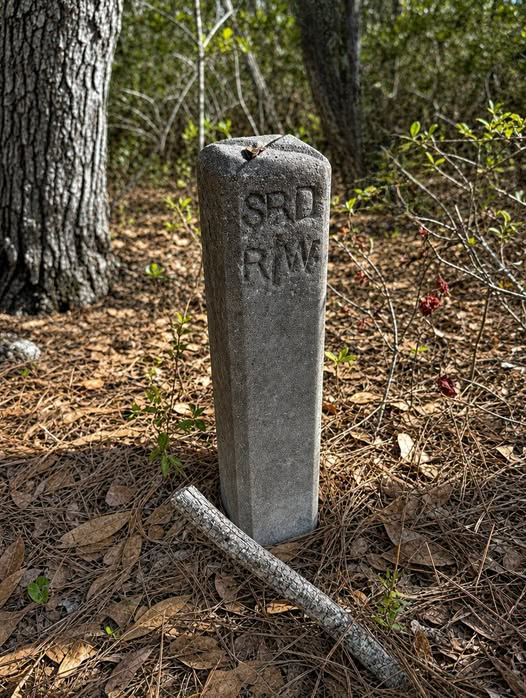
When people think about historical landmarks, they often picture grand castles, towering monuments, or centuries-old churches. Yet some of history’s most intriguing reminders are far less noticeable. Hidden along quiet forest trails, abandoned country roads, and overgrown pathways are small concrete markers that many hikers pass without a second glance.
To the untrained eye, these weathered posts may seem like random blocks of concrete. However, they often tell stories about transportation, surveying, land ownership, engineering, and the communities that once thrived nearby.
Learning to recognize these forgotten markers can completely change the way you experience a walk through nature.
Small Objects with Big Stories
Throughout the late nineteenth and twentieth centuries, governments, surveyors, and transportation agencies installed thousands of permanent markers across rural landscapes.
Many served practical purposes such as:
- marking road boundaries
- identifying property lines
- indicating survey reference points
- showing distances
- documenting infrastructure projects
- defining public rights-of-way
Although roads have changed and forests have reclaimed abandoned routes, many of these markers remain exactly where they were placed decades ago.
They’re silent witnesses to changing landscapes.
Why Concrete?
Concrete became a popular material because it was durable, inexpensive, and resistant to weather.
Unlike wooden posts that eventually rot or metal stakes that rust, concrete survives decades of freezing temperatures, heavy rain, and summer heat.
Even when chipped or covered in moss, many markers continue serving their original purpose.
Forgotten Roads Beneath Today’s Trails
Many hiking paths weren’t originally built for recreation.
Instead, they may have once been:
- wagon roads
- logging routes
- railroad service roads
- military access roads
- farm lanes
- stagecoach routes
As transportation networks evolved, newer highways replaced older roads.
Nature gradually reclaimed the abandoned corridors, leaving only scattered clues behind.
A single concrete marker can sometimes confirm that today’s peaceful walking trail once connected busy communities.
Survey Monuments
One of the most common concrete markers encountered outdoors is the survey monument.
Professional surveyors establish these permanent reference points to define exact geographic locations.
Modern construction projects often rely on survey monuments that were installed many decades earlier.
Removing or disturbing them can create legal and engineering complications.
For that reason, they should always be left undisturbed.
Boundary Markers
Some concrete posts indicate changes in ownership or jurisdiction.
Examples include:
- county boundaries
- municipal limits
- park borders
- forest management zones
- watershed divisions
These markers helped officials identify responsibilities for maintenance and administration long before GPS technology existed.
Mile and Distance Posts
Older transportation routes frequently used concrete or stone mile markers.
Travelers depended on them for navigation.
Although modern GPS devices provide instant directions, these historic markers remain valuable reminders of earlier travel methods.
Railroad History
Many abandoned railway corridors have been transformed into recreational trails.
Along these routes, visitors may discover concrete structures that once supported:
- signaling equipment
- mileposts
- communication systems
- maintenance operations
These remnants preserve the history of transportation that helped shape local economies.
Why They Matter Today
At first glance, a small concrete block might seem insignificant.
In reality, it represents careful planning, engineering, and recordkeeping that often supported entire communities.
Without permanent reference markers, maintaining roads, defining property, and constructing infrastructure would have been far more difficult.
They remain part of the invisible framework that helped modern landscapes develop.
Nature Slowly Reclaims History
One fascinating aspect of these markers is how naturally they blend into their surroundings.
Moss grows across rough surfaces.
Tree roots slowly surround their bases.
Leaves collect over forgotten inscriptions.
Wildflowers bloom nearby.
Instead of disappearing entirely, these markers become part of the forest itself.
This quiet transformation reminds us that nature and history often exist side by side.
What Should You Do If You Find One?
If you discover an old concrete marker during a hike:
- Observe it without disturbing it.
- Photograph any visible markings.
- Note the surrounding landscape.
- Compare its location with historical maps if you’re interested in local history.
- Leave it exactly as you found it.
Many markers remain legally protected because they continue serving surveying or public records purposes.
Appreciating Hidden History
Exploring old trails becomes much more rewarding once you begin noticing small historical details.
A forgotten marker may inspire questions such as:
- What road once existed here?
- Who traveled this route?
- Why was this location important?
- What community depended on this path?
Often, local historical societies or archived maps can provide fascinating answers.
Every Walk Can Become a Discovery
History doesn’t always announce itself with dramatic monuments.
Sometimes it waits quietly beneath layers of moss beside an ordinary trail, asking only that someone pause long enough to notice.
The next time you’re walking through a forest or along an old country path, pay attention to the small details. That weathered concrete post beside the trail may be more than an overlooked object—it could be a surviving chapter of your region’s past, connecting today’s peaceful landscape with generations of travelers, workers, and communities that came before.
The greatest discoveries aren’t always hidden underground or locked inside museums. Sometimes they’re standing quietly beside the path, waiting for curious eyes to recognize their story.