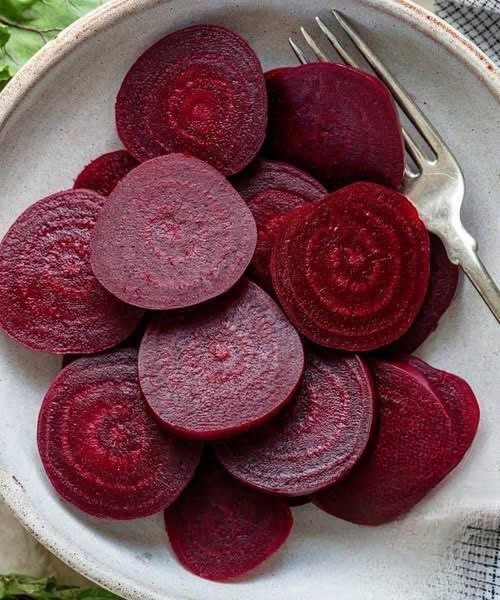
Beets are instantly recognizable because of their deep red-purple color and naturally earthy flavor. They can be roasted, boiled, pickled, blended into juice, added to salads, or used in soups and spreads.
Online headlines sometimes claim that doctors have revealed one dramatic effect of eating beets. In reality, the body can respond to beets in several ways. Some effects are potentially beneficial, while others are simply harmless changes caused by the vegetable’s powerful natural pigments.
Beets are nutritious, but they are not a miracle treatment. They cannot “detox” the body, cure high blood pressure, prevent every disease, or replace prescribed medication.
Understanding what research actually shows can help people enjoy beets without unrealistic expectations.
Beets Contain Useful Nutrients
Beets, scientifically known as Beta vulgaris, provide carbohydrates, fiber, folate, potassium, manganese, and several natural plant compounds. The leafy tops are also edible and contain a different nutritional profile from the root.
The USDA FoodData Central database lists detailed nutritional information for raw beets and other foods. Exact values vary according to the serving size, preparation method, variety, and whether the product is fresh, canned, pickled, or juiced.
Folate is a B vitamin involved in cell division and the production of DNA. It is especially important during pregnancy because adequate folate helps support fetal development.
Fiber supports normal digestion and can contribute to fullness after meals. Potassium is involved in fluid balance, muscle activity, and nerve function.
Beets should be viewed as one useful vegetable within a balanced eating pattern rather than a single food that controls health on its own.
Natural Nitrates May Affect Blood Flow
One reason beets receive attention from researchers is their naturally occurring nitrate content.
Dietary nitrate is converted through several steps into nitric oxide, a signaling molecule that helps blood vessels relax and widen. This process may improve blood flow and produce a modest reduction in blood pressure in some individuals.
Nitrate in vegetables should not automatically be confused with every nitrate or nitrite used in processed foods. The complete food environment matters. Beets contain water, fiber, vitamins, minerals, and plant compounds alongside their nitrate.
Beetroot juice is often used in studies because it provides a concentrated and measurable amount of nitrate. The results from concentrated juice do not necessarily apply directly to an occasional serving of roasted or boiled beets.
Beets May Produce a Modest Blood-Pressure Effect
A 2024 systematic review and meta-analysis evaluated randomized trials of nitrate-rich beetroot juice in adults with hypertension.
The analysis found an average reduction in blood pressure measured in clinical settings, particularly systolic pressure—the upper number in a blood-pressure reading. However, the authors rated the certainty of the evidence as low and advised that the findings be interpreted cautiously.
The studies included only 349 participants, used different amounts of nitrate, and produced varying results. The analysis did not find a significant effect on every blood-pressure measurement, including certain 24-hour readings.
This means beetroot juice may have a supportive effect for some people, but it should not be presented as a proven replacement for hypertension treatment.
High blood pressure can damage the heart, blood vessels, brain, kidneys, and eyes without causing obvious early symptoms. Someone taking prescribed blood-pressure medication should continue following their clinician’s instructions.
If a person with low blood pressure or someone using antihypertensive medication plans to consume large quantities of concentrated beetroot juice, discussing it with a healthcare professional is sensible. The combined effects could potentially contribute to dizziness or an unwanted drop in blood pressure.
Exercise Performance Is an Area of Research
Athletes sometimes use beetroot juice before exercise because dietary nitrate may influence how efficiently muscles use oxygen.
Some studies have reported improvements in exercise tolerance, time to exhaustion, or oxygen use during certain activities. Effects appear to depend on the type of exercise, training status, nitrate dose, timing, and individual response.
A study listed in PubMed found that nitrate-rich beetroot juice reduced the oxygen cost of moderate exercise in a small group of participants. However, the trial included only eight people, demonstrating why one study cannot provide a universal conclusion.
Research does not show that drinking beetroot juice automatically increases strength, builds muscle, or turns an inactive person into a trained athlete.
Good training, adequate sleep, hydration, overall nutrition, and recovery remain far more important than any single food or drink.
Concentrated sports products may also contain more nitrate or sugar than an ordinary serving of beets. Consumers should read labels rather than assuming every beet product is nutritionally identical.
Red or Pink Urine Can Be a Harmless Effect
One of the most surprising effects of eating beets is a red, pink, or purple change in urine. This is commonly called beeturia.
The color comes from natural pigments called betalains. Not everyone experiences the change, and its intensity may depend on the amount consumed, digestion, stomach conditions, and individual differences.
Beeturia is usually harmless and often disappears after the pigments pass through the body.
However, red urine should not always be assumed to come from beets. Blood in the urine can be associated with urinary infection, kidney stones, prostate problems, kidney disease, or another condition requiring evaluation.
The NHS guidance on blood in urine notes that eating beetroot can turn urine pink. It also advises obtaining medical help when blood is suspected, even if it is the first episode or only a small amount is visible.
If the color continues long after beets have been eliminated from the diet, occurs repeatedly without beet consumption, or appears with pain, fever, difficulty urinating, clots, or back discomfort, seek medical advice.
Stool May Also Change Color
Beet pigments can make stool appear red, burgundy, or dark purple. This may be particularly noticeable after eating a large serving or drinking beet juice.
The color usually resolves after digestion is complete.
As with urine, however, red or black stool should not automatically be blamed on food. Gastrointestinal bleeding can also change stool color.
Seek medical care if there is uncertainty, especially when the color change appears with dizziness, weakness, abdominal pain, vomiting, fainting, or stool that is black and tar-like.
Remembering what was eaten recently can be useful, but food history is not a substitute for medical evaluation when concerning symptoms are present.
Fiber May Support Digestion
Whole beets contain fiber, which supports bowel regularity and feeds some beneficial organisms in the digestive system.
People who suddenly increase their fiber intake may initially experience gas, bloating, or changes in bowel movements. Introducing fiber-rich foods gradually and drinking adequate fluid may improve tolerance.
Beet juice contains less fiber than eating the whole vegetable because much of the solid material is removed. Someone choosing juice for convenience should not assume it offers all the same digestive benefits as whole beets.
Individuals with a medically prescribed fluid restriction should not increase beverages without consulting their healthcare team.
Betalains Give Beets Their Color
The red and yellow pigments found in beets are called betalains. These compounds have demonstrated antioxidant and anti-inflammatory activity in laboratory research.
Antioxidants help control reactions involving unstable molecules that can damage cells. This biological role has led to claims that beets can prevent cancer, reverse aging, or cure inflammatory diseases.
Those conclusions go beyond available evidence.
Laboratory activity does not prove that eating a food will treat a disease in humans. Digestion, absorption, dose, metabolism, and interactions within the body all influence whether a compound produces a meaningful clinical effect.
Beets can contribute to a nutritious diet, but they should not be marketed as a treatment for cancer or another serious illness.
Kidney Stones and Oxalate
Beets contain oxalate, a naturally occurring substance found in many foods. In susceptible individuals, oxalate can combine with calcium and contribute to the formation of calcium oxalate kidney stones.
This does not mean everyone should avoid beets.
The National Kidney Foundation explains that a strict low-oxalate diet is not usually the best strategy for most people. Many oxalate-containing foods also provide fiber, potassium, magnesium, and other valuable nutrients.
People who have calcium oxalate stones and high urinary oxalate may be advised to limit foods that are particularly high in oxalate, including beets. The appropriate diet depends on the person’s stone type, laboratory results, medical history, calcium intake, sodium intake, and hydration.
Anyone with recurring kidney stones, primary hyperoxaluria, intestinal conditions that increase oxalate absorption, or advanced kidney disease should ask a physician or renal dietitian whether beets are suitable.
Do not eliminate major food groups based on a generic list found online. Kidney-stone prevention should be individualized.
Pickled and Canned Beets Can Be Different
Fresh, frozen, canned, and pickled beets may all fit into a balanced diet, but their labels can differ substantially.
Pickled beets may contain added sugar and salt. Canned varieties can also be relatively high in sodium, depending on the product.
People managing high blood pressure, heart failure, kidney disease, or another condition requiring sodium restriction should compare labels carefully. Choosing a lower-sodium option or rinsing some canned vegetables may reduce sodium, although the effect depends on the product.
Sweetened beet beverages can contain significant added sugar. A drink advertised as healthy because it contains beets may still include fruit concentrate, sweeteners, or large portions.
The front of a package is marketing. The nutrition and ingredient labels provide the more useful information.
Beets and Diabetes
Beets contain natural carbohydrates and sugars, but that does not automatically make them unsuitable for people with diabetes.
Whole beets also contain fiber and are commonly eaten in moderate portions as part of a meal. Beet juice delivers carbohydrates more quickly and contains less fiber, so its effect can differ from that of whole vegetables.
People who monitor blood glucose should consider serving size, preparation method, and what else is eaten at the same time.
No evidence supports replacing diabetes medication with beets or beet juice. Anyone making a substantial dietary change should monitor according to their care plan and discuss concerns with a healthcare professional.
Can Beets Interact With Medication?
Beets are generally consumed as food without difficulty. The greater concern involves frequent large servings of concentrated juice or supplements.
People taking medication for blood pressure may need to monitor for symptoms such as dizziness or lightheadedness if they begin using concentrated nitrate products.
Those with kidney disease may have individualized potassium, fluid, or oxalate limits. A food that is healthy for the general population may not fit every renal diet.
Before using beetroot powder, high-dose juice shots, or nitrate supplements, ask a physician or pharmacist whether they are compatible with existing medications and conditions.
Practical Ways to Include Beets
Beets can be prepared in many simple ways:
- Roast wedges with a small amount of olive oil and herbs
- Add cooked beets to a salad
- Blend a modest portion into hummus
- Include them in vegetable soup
- Grate raw beet into a slaw
- Combine beets with yogurt and herbs
- Serve them alongside beans, whole grains, fish, or lean protein
The leaves can also be cooked similarly to other leafy greens. Wash the root and leaves carefully and remove damaged portions before preparation.
There is no medically established requirement to eat beets every day. Variety is usually more useful than relying on a single vegetable.
The Bottom Line
Eating beets can provide fiber, folate, potassium, and natural plant compounds. Their dietary nitrates may support nitric-oxide production and could modestly lower systolic blood pressure in some people, although current research does not establish beets as a replacement for medication.
They may also turn urine or stool pink or red, a harmless pigment effect in many cases. Persistent or unexplained red urine or stool should still be assessed because bleeding can look similar.
People with a history of calcium oxalate kidney stones, very low blood pressure, kidney disease, or relevant medication use may need individualized advice before consuming large quantities of beets or concentrated beetroot juice.
Beets are a nutritious vegetable—not a miracle cure. Enjoyed in a reasonable portion as part of a varied diet, they can add color, flavor, and useful nutrients to everyday meals.