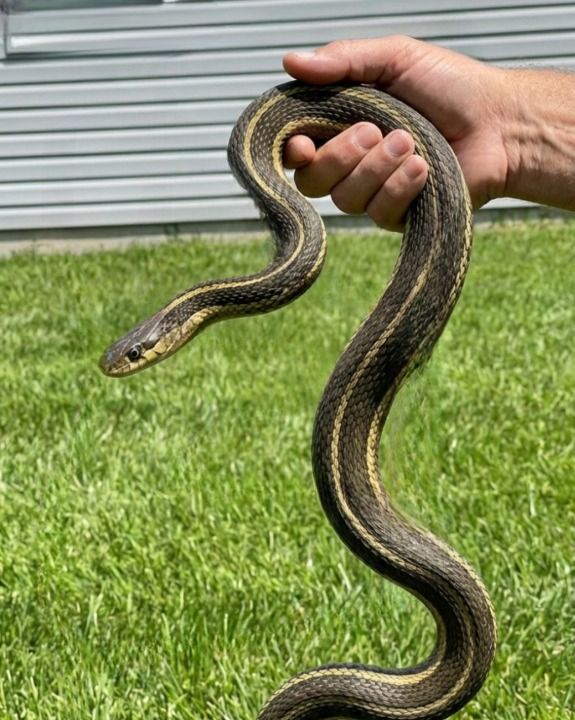
Few outdoor surprises catch people off guard quite like spotting a snake in the yard. Whether you’re gardening, mowing the lawn, or simply enjoying time on the patio, unexpectedly seeing one can be unsettling.
The good news is that most snakes are not interested in interacting with people. In many areas, they play an important role in the ecosystem by helping control rodents and other small pests. Their first instinct is usually to avoid humans whenever possible.
Even so, many homeowners prefer to reduce the chances of snakes taking up residence near their homes—especially if children or pets frequently play outside.
Fortunately, there are several practical steps you can take to make your yard less attractive to snakes without harming wildlife.
Here are eight simple strategies that may help.
1. Keep the Grass Well Maintained
Tall grass provides excellent cover for snakes.
Long vegetation allows them to move through an area while remaining hidden from predators and people.
By mowing your lawn regularly, you reduce the amount of shelter available and make your yard less inviting.
Maintaining shorter grass also makes it easier to spot wildlife before accidentally getting too close.
Pay special attention to:
- Fence lines
- Garden edges
- Around sheds
- Under trees
- Along walkways
2. Remove Yard Clutter
Snakes often seek cool, protected places where they can hide during the day.
Common hiding spots include:
- Wood piles
- Stacks of bricks
- Piles of leaves
- Unused building materials
- Dense ground cover
- Overgrown shrubs
Organizing or removing unnecessary clutter can reduce the number of places snakes may choose for shelter.
If you keep firewood, consider storing it neatly off the ground and away from the house.
3. Reduce Food Sources
Snakes are attracted to areas where food is plentiful.
Depending on the species, their diet may include:
- Mice
- Rats
- Small birds
- Frogs
- Lizards
- Insects
Reducing rodent activity around your property can make the area less appealing.
Simple habits include:
- Securing trash containers
- Cleaning up spilled birdseed
- Storing pet food indoors
- Eliminating rodent nesting areas
Managing food sources often has a greater impact than trying to deter snakes directly.
4. Trim Bushes and Shrubs
Dense vegetation provides shade and concealment.
Regularly trimming shrubs and keeping plants from becoming overgrown improves visibility and reduces potential hiding places.
When possible, leave a small gap between shrubs and your home’s foundation to make inspections easier.
5. Seal Gaps Around Buildings
Small openings can provide access beneath structures or into garages and sheds.
Inspect areas around:
- Doors
- Foundations
- Utility pipes
- Vents
- Crawl spaces
Sealing appropriate openings with suitable materials may help prevent various wildlife—not just snakes—from entering.
6. Keep the Yard Clean
Routine yard maintenance contributes to a less attractive environment for many unwanted visitors.
Helpful habits include:
- Removing fallen fruit
- Clearing leaf piles
- Cleaning up outdoor storage areas
- Regularly trimming weeds
- Keeping pathways open
A tidy yard offers fewer sheltered areas where wildlife may settle.
7. Be Thoughtful About Water Sources
Standing water can attract insects, amphibians, and other animals that some snake species may feed on.
If possible:
- Empty containers that collect rainwater.
- Repair leaking outdoor faucets.
- Maintain decorative ponds properly.
- Avoid unnecessary standing water around the property.
Reducing excess moisture may also discourage mosquitoes and other pests.
8. Stay Alert During Outdoor Activities
Even in well-maintained yards, wildlife occasionally passes through.
When gardening or working outdoors:
- Wear closed-toe shoes.
- Use gloves when reaching into dense vegetation.
- Check before lifting rocks or logs.
- Be cautious around wood piles.
- Watch where you place your hands and feet.
Simple awareness helps reduce unexpected encounters.
What Should You Do If You See a Snake?
If you notice a snake in your yard, remain calm.
Most snakes prefer to move away rather than confront people.
Generally:
- Keep a safe distance.
- Avoid attempting to handle or provoke the snake.
- Allow it an opportunity to leave on its own.
If you believe the snake poses an immediate risk or you cannot safely identify it, contact your local wildlife authority or animal control service for guidance.
Avoid Harmful DIY Methods
Many home remedies claim to repel snakes using strong odors or household chemicals.
Scientific evidence supporting many of these methods is limited or inconsistent.
Some products or substances may also pose unnecessary risks to pets, children, or beneficial wildlife.
Before using any commercial wildlife deterrent, follow the manufacturer’s instructions and local regulations.
Are All Snakes Dangerous?
No.
The majority of snake species found in many regions are nonvenomous and help maintain ecological balance by controlling rodent populations.
Because snake species vary by location, it’s best not to assume whether a snake is harmless based solely on appearance.
If you’re unsure, admire it from a safe distance and avoid handling it.
Protecting Pets
Curious pets may investigate wildlife more closely than people do.
To reduce the chance of unwanted encounters:
- Keep dogs on a leash during walks in unfamiliar areas.
- Supervise pets in heavily vegetated yards.
- Trim vegetation around play areas.
- Avoid allowing pets to explore brush piles or tall grass.
If you suspect your pet has been bitten by a snake, seek veterinary care promptly.
Teaching Children About Wildlife
Children naturally enjoy exploring outdoors.
Simple safety lessons can help them interact responsibly with wildlife.
Teach children to:
- Never touch a snake.
- Stay calm if they see one.
- Tell an adult immediately.
- Avoid reaching into places they cannot see.
These habits encourage both safety and respect for nature.
Frequently Asked Questions
Do snakes intentionally come near houses?
Usually not.
Most snakes are searching for food, shelter, or suitable temperatures rather than people.
Will removing rodents help?
Yes.
Reducing rodent populations may make your property less attractive to snakes that feed on them.
Should I try to capture a snake myself?
Unless you have appropriate training, it’s generally safer to keep your distance and contact local wildlife professionals if assistance is needed.
Do snake repellents always work?
Results vary, and many commonly promoted home remedies have limited scientific support.
The Bottom Line
Most snakes are shy animals that play an important role in healthy ecosystems. While encountering one can be surprising, there are many practical ways to make your yard less attractive to them without causing harm.
Keeping grass trimmed, removing clutter, reducing rodent activity, maintaining landscaping, sealing gaps around buildings, and practicing good yard maintenance all contribute to a cleaner and less inviting environment for many types of wildlife.
By combining simple prevention strategies with calm, informed decision-making, you can help create a safer outdoor space for your family, your pets, and the wildlife that naturally shares the environment with us.