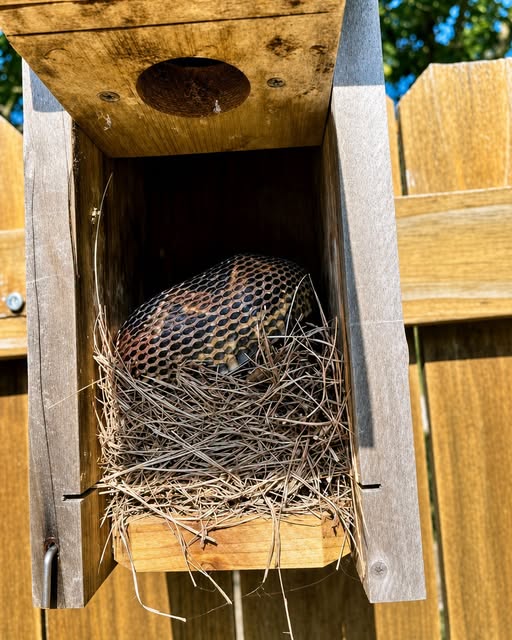
10 Simple Ways to Make Your Yard Less Attractive to Snakes
Finding a snake in your yard can be surprising, especially if you are not sure what species it is or why it appeared there in the first place.
For many homeowners, the first reaction is to try to chase the snake away or immediately search for a product that promises to keep snakes off the property. However, there is usually a more practical approach.
Instead of focusing on removing individual snakes, homeowners can make their yards less appealing to the conditions that may attract them in the first place.
Snakes generally do not visit a yard because they are interested in people. They are usually responding to basic environmental needs such as food, water, shelter, and suitable places to hide.
That means some of the most useful steps involve ordinary yard maintenance.
Keeping grass trimmed, reducing piles of debris, managing rodents, storing firewood properly, removing unnecessary hiding places, and keeping outdoor areas tidy can make a property less appealing to many snakes.
It is also important to remember that snakes are a natural part of many ecosystems. They can play a useful role by feeding on rodents and other small animals.
The goal should not necessarily be to eliminate every snake from the surrounding environment. Instead, the goal is to reduce unnecessary encounters around areas where people, children, or pets spend time.
Here are ten practical ways to make your yard less attractive to snakes while maintaining a healthy outdoor environment.
1. Keep Grass and Vegetation Under Control
One of the easiest improvements you can make is keeping your lawn and surrounding vegetation reasonably maintained.
Tall grass, dense weeds, and overgrown vegetation can create shaded areas where snakes and the animals they feed on may find shelter.
A regularly maintained lawn provides fewer places for wildlife to remain hidden close to patios, walkways, play areas, and other frequently used spaces.
You do not have to remove every plant from your yard.
Instead, focus on areas around the house and other locations where you regularly walk or spend time.
Keep pathways clear and trim vegetation that has become excessively dense.
If your property has a large natural area, you may choose to leave some vegetation untouched for wildlife while maintaining a more open area immediately around the house.
This creates a useful distinction between a natural habitat area and the parts of the yard that your family uses regularly.
Why Vegetation Matters
Snakes themselves are only one part of the equation.
Dense vegetation can also provide shelter for mice, voles, frogs, insects, and other small animals.
Those animals may then attract snakes looking for food.
Therefore, maintaining vegetation is not necessarily about making the yard completely unsuitable for snakes.
It is about reducing the combination of food and shelter immediately around the home.
2. Remove Unnecessary Piles of Wood and Debris
Piles of branches, boards, leaves, old building materials, and other debris can create excellent hiding places for wildlife.
A snake may use such a location for temporary shelter, particularly if the pile is located in a quiet part of the yard.
Rodents and other small animals may also move into these areas.
That creates another reason for snakes to remain nearby.
Walk around your property and identify piles that no longer serve a useful purpose.
Ask yourself:
- Do I actually need this pile?
- Can the material be stored somewhere more securely?
- Is it touching the ground?
- Has it become a shelter for rodents?
- Is it located close to the house?
Removing unnecessary debris can make the yard easier to maintain and reduce potential hiding areas.
Keep Firewood Organized
If you heat your home with firewood or use wood for outdoor fires, store it neatly rather than leaving it scattered around the yard.
A raised, organized woodpile is generally easier to inspect than a loose pile of branches.
Keep firewood away from doors and frequently used pathways where practical.
When moving firewood, use normal precautions because spiders, insects, rodents, and other small animals may also be present.
3. Address Rodent Problems
Food availability is one of the most important factors influencing wildlife activity.
Many snakes feed on rodents and other small animals.
If your yard has a persistent mouse or rat problem, it may become more attractive to snakes as well.
This does not mean that every yard with mice will have snakes.
However, reducing unnecessary rodent activity can remove one potential food source.
Look for signs such as:
- Droppings
- Gnaw marks
- Burrows
- Damaged food containers
- Nesting material
- Repeated activity around sheds or garages
Store birdseed, pet food, animal feed, and other edible materials in secure containers.
Avoid leaving food outdoors overnight when possible.
Clean up spilled seed beneath bird feeders regularly.
Why Bird Feeders Can Matter
Bird feeders are popular because they attract beautiful wildlife.
However, spilled seed can also attract rodents.
This does not mean you need to remove every bird feeder.
Instead, maintain the area around the feeder.
Use appropriate feeders that minimize unnecessary spillage and clean the surrounding ground regularly.
A cleaner feeding area can reduce the amount of food available to rodents.
4. Keep the Area Around Your Home Tidy
A tidy yard is easier to inspect.
When outdoor spaces contain fewer unnecessary objects, it becomes easier to notice holes, damaged fencing, piles of debris, and other conditions that may provide shelter for wildlife.
Look around:
- Patios
- Decks
- Sheds
- Garages
- Garden borders
- Storage areas
- Children’s play areas
- Outdoor equipment
Remove items that have been sitting unused for long periods.
Old pots, containers, boxes, boards, bags, and other objects can create small sheltered spaces.
You do not have to maintain a perfectly empty yard.
The goal is simply to avoid allowing unnecessary clutter to accumulate.
5. Seal Gaps Around Buildings
Although many snakes encountered outdoors have no interest in entering a house, small gaps around buildings can provide access to sheltered spaces.
Inspect areas around:
- Doors
- Windows
- Foundations
- Garages
- Sheds
- Pipes
- Utility openings
- Crawl spaces
Repair damaged screens and seal appropriate gaps using suitable building materials.
A well-maintained structure provides fewer opportunities for wildlife to enter.
This is also useful for reducing access by rodents and insects.
Focus on the Structure, Not Just the Yard
Home maintenance and yard maintenance are connected.
If rodents can easily enter a garage or shed, they may establish themselves there.
That can create a food source for predators.
Keeping structures properly maintained can therefore help reduce several wildlife-related problems at once.
6. Reduce Standing Water
Water can attract a wide variety of wildlife.
Birds, insects, frogs, rodents, and other animals may visit areas where water accumulates.
Some snakes may also be attracted indirectly because their prey is present.
Inspect your yard for unnecessary standing water.
Check:
- Buckets
- Old containers
- Plant saucers
- Children’s toys
- Leaking hoses
- Poorly draining areas
- Unused pools
- Rainwater collection areas
Empty containers that collect rain when they are not needed.
Repair leaks.
Make sure drainage systems are functioning properly.
This does not mean that every water feature should be removed.
A properly maintained pond or garden feature can remain part of a healthy landscape.
The important point is to avoid unnecessary stagnant water.
7. Maintain Sheds, Garages, and Storage Areas
Outdoor structures can become attractive shelters for wildlife if they are rarely cleaned or inspected.
A shed containing stacks of boxes, unused equipment, bags of soil, wood, and miscellaneous materials can create many hiding places.
Every few months, take time to organize the space.
Keep items elevated where practical.
Avoid creating deep, inaccessible piles.
Inspect corners and areas around doors.
Make sure the structure is in good repair.
This kind of maintenance is beneficial regardless of whether you are concerned about snakes.
A clean storage area also makes it easier to find tools and identify other pest problems early.
8. Keep Landscaping Around the House Manageable
Landscaping can be beautiful while still being practical.
However, extremely dense plants directly against walls can make inspection and maintenance more difficult.
Consider maintaining some space between dense vegetation and the foundation where appropriate.
This can make it easier to identify:
- Rodent holes
- Structural damage
- Moisture problems
- Insects
- Accumulated debris
- Other wildlife activity
You do not need to remove decorative plants.
Instead, consider how easy it is to maintain the area.
Plants that become extremely dense or overgrown can be trimmed according to their needs.
9. Use Outdoor Lighting Thoughtfully
Outdoor lighting does not directly repel snakes.
However, lighting can influence the insects that gather around your home.
Insects may attract frogs, spiders, and other small animals.
Those animals can become part of a local food chain.
This does not mean you should turn off every outdoor light.
Security lighting can be important.
Instead, use outdoor lighting thoughtfully.
Where practical, use fixtures that direct light toward the area you need illuminated rather than unnecessarily lighting the entire yard.
Motion-activated lights can also be useful for some outdoor areas.
The goal is not to create a snake-free property through lighting.
It is simply another way to manage outdoor conditions.
10. Make Frequently Used Areas Easy to Inspect
Perhaps the most practical strategy is to focus your attention on the parts of the property your family uses most often.
You do not need to transform your entire yard.
Pay particular attention to:
- Walkways
- Doorways
- Patios
- Decks
- Children’s play spaces
- Pet areas
- Garden paths
- Areas around outdoor seating
Keep these spaces relatively clear.
Trim excessive vegetation.
Remove unnecessary debris.
Store equipment properly.
Maintain fences and structures.
This makes the yard easier to use and easier to inspect.
Why Snakes May Visit a Yard
To make a yard less attractive to snakes, it helps to understand why they might be there.
Snakes generally seek the same basic resources as many other animals:
Food
Depending on the species, snakes may eat rodents, frogs, insects, lizards, birds, eggs, or other small animals.
Shelter
They may use logs, rocks, dense vegetation, holes, gaps, and other sheltered spaces.
Temperature regulation
Snakes are ectothermic animals, meaning they rely heavily on environmental temperatures to regulate their body temperature.
They may move between sunny and shaded areas depending on conditions.
Water
Some species may seek areas with suitable moisture or water availability.
A yard containing several of these features can naturally attract wildlife.
Snakes Are Not Automatically a Sign of an Unhealthy Yard
It is important not to assume that finding a snake means something is wrong with your property.
A snake can simply be passing through.
Wild animals move between habitats in search of food, shelter, mates, and suitable environmental conditions.
A property near woodland, fields, streams, wetlands, rocky areas, or other natural habitats may naturally experience more wildlife activity.
Even a well-maintained yard can occasionally have a snake.
The goal of yard management is therefore not to guarantee that no snake will ever appear.
That would be unrealistic.
Instead, homeowners can reduce unnecessary habitat features around the areas where people spend time.
Why Chemical Snake Repellents Are Not Always the Best First Choice
Many products are marketed as snake repellents.
Some contain strong scent