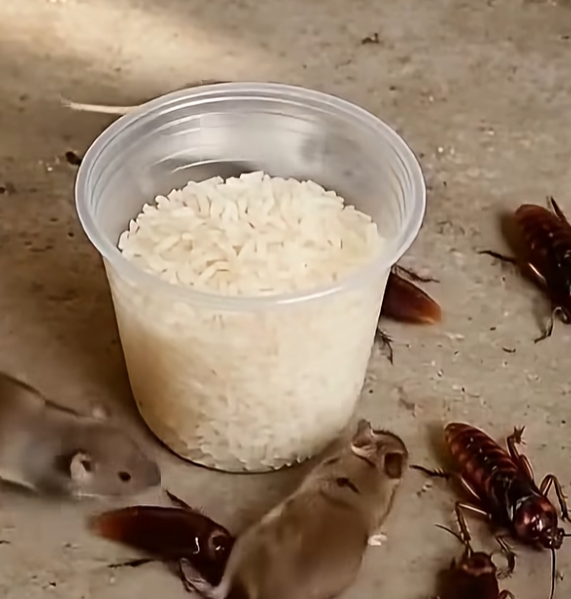
How to Reduce Rats and Cockroaches at Home: Practical Tips for a Cleaner, Pest-Free Environment
Rats and cockroaches are common household pests that can create problems in kitchens, bathrooms, storage areas, basements, and other parts of a home. They may contaminate food, leave droppings, damage stored belongings, and make it difficult to maintain a comfortable living environment. When these pests appear, many homeowners look for practical ways to control them and prevent them from returning.
Although store-bought sprays and traps are widely available, effective pest management often involves more than using a single product. Identifying where pests enter, removing accessible food and water, sealing openings, and selecting suitable pest-control methods can help reduce infestations over time.
Some household ingredients are frequently discussed as natural pest-control options. However, their effectiveness varies, and not every popular home remedy has reliable scientific support. Understanding these limitations can help homeowners make informed decisions and avoid methods that could put children, pets, or other household members at risk.
Why Rats and Cockroaches Enter Homes
Rats and cockroaches generally seek three basic resources: food, water, and shelter. Homes can provide all three, particularly when food is left uncovered, plumbing leaks go unnoticed, or small openings provide access to sheltered spaces.
Cockroaches are often found near kitchen appliances, under sinks, behind cabinets, and around plumbing fixtures. They may also enter through gaps around pipes, doors, windows, and drains, depending on the species and the building’s condition.
Rats and mice may enter through openings around foundations, garage doors, rooflines, utility connections, and damaged vents. Once inside, they may hide behind furniture, inside wall cavities, or in storage spaces where they can remain relatively undisturbed.
Recognizing these patterns is an important first step. Rather than treating only the places where pests are visible, homeowners should look for the conditions that allow them to survive and reproduce.
1. Keep Food Properly Stored
Food scraps and accessible pantry items can attract both rodents and insects. Keeping food in sealed containers reduces opportunities for pests to feed and makes a kitchen easier to maintain.
Store cereals, flour, rice, pet food, and other dry goods in sturdy, tightly closed containers. Clean food spills promptly, avoid leaving dirty dishes overnight when possible, and empty kitchen waste bins regularly.
Pet food deserves particular attention. If animals are fed outdoors or in a garage, remove leftover food rather than leaving it available throughout the night. Securely storing food can make an area less attractive to rodents.
These changes may not eliminate an established infestation on their own, but they can support other pest-management measures.
2. Remove Sources of Water
Even a clean room can attract pests if water is readily available. Dripping faucets, leaking pipes, damp cupboards, and standing water can provide conditions that support cockroaches and rodents.
Inspect the areas beneath kitchen and bathroom sinks. Look for moisture around pipes, washing machines, water heaters, and other plumbing connections. Repair leaks when possible and dry wet surfaces.
In humid spaces, improving ventilation may also help. Keep drains and surrounding areas maintained, and avoid leaving containers of water in places where pests have been observed.
Reducing access to water is especially useful when combined with better food storage and the removal of hiding places.
3. Seal Cracks and Other Entry Points
Preventing pests from entering is often more effective over the long term than repeatedly treating the same room.
Inspect the exterior and interior of the home for openings around pipes, cables, doors, windows, vents, and foundation joints. Pay particular attention to gaps where utility lines enter the building.
Use appropriate sealing materials for the location. Small openings may be sealed with suitable caulk, while larger gaps may require more durable materials or professional repairs. Door sweeps and properly fitted screens can also help reduce entry opportunities.
Rodents can chew through many common materials, so openings that could admit rats may need rodent-resistant repairs. Do not block ventilation openings or drainage routes that must remain functional.
If pests continue to appear despite sealing visible gaps, a professional inspection may help identify less obvious access points.
4. Understand What Peppermint Oil Can and Cannot Do
Peppermint oil is frequently mentioned as a natural way to discourage rodents. Its strong scent may influence pest behavior in some circumstances, but household use has not been shown to provide dependable, long-term control of a rat infestation.
A scented product should not be treated as a replacement for sealing entry points, removing food sources, or using suitable traps. Rats may also become accustomed to an odor, and the scent may fade over time.
Essential oils can irritate people and animals, and concentrated products may be harmful if swallowed or improperly applied. Some oils can be particularly risky for pets. Anyone considering an essential oil should follow the product label, avoid direct application to animals, and keep it away from children and pets.
For a persistent rodent problem, physical exclusion and appropriately selected traps are generally more dependable approaches than relying on scents alone.
5. Be Careful With Boric Acid and Baking Soda Remedies
Boric acid is used in certain insect-control products, including some products designed for cockroaches. Its effectiveness depends on the formulation, placement, pest species, and correct use. It should not be assumed that every homemade mixture will work as intended.
Boric acid can be harmful if swallowed or misused. It should never be placed where children or pets can reach it, scattered carelessly around food-preparation areas, or mixed into an improvised recipe without reliable instructions.
Baking soda is also promoted online as a home remedy for killing cockroaches and rodents. However, claims that a mixture of baking soda, sugar, and other kitchen ingredients will quickly eliminate both types of pests are not well established. Rats and cockroaches have different feeding habits and biology, so one homemade bait should not be expected to control both reliably.
For these reasons, it is safer to use pest-control products specifically designed for the target pest and follow their labels carefully. Avoid experimenting with homemade poisonous mixtures, especially in homes with children, pets, or food-preparation areas.
6. Choose the Right Approach for Cockroaches
Cockroach control often requires a combination of sanitation, monitoring, exclusion, and targeted treatment.
Sticky monitoring traps can help identify where cockroaches are most active. Place them in suitable locations away from children and pets, following the manufacturer’s instructions. Check them regularly and use the results to determine which areas need attention.
Commercial cockroach baits may be useful when selected and applied according to the label. Avoid placing bait where food is prepared or where it could be contacted by children or animals. Do not apply insecticides to food, dishes, or kitchen surfaces unless the product label specifically permits that use.
If cockroaches are appearing during the day, are present in several rooms, or continue to return after treatment, the infestation may require a more systematic approach. In multi-unit buildings, pests may move between apartments, making cooperation with property managers or neighboring units important.
A qualified pest-control professional can identify the species and recommend treatment suited to the level of infestation.
7. Use Appropriate Methods for Rats
Rodent control requires attention to both the animals already inside and the openings that allow more to enter.
Look for signs such as droppings, gnaw marks, damaged packaging, nesting material, or scratching sounds. Avoid touching rodent droppings or nesting material with bare hands. If cleanup is necessary, follow public-health guidance for safe handling and disinfection.
Where appropriate, use traps designed for the size and type of rodent involved. Follow the manufacturer’s directions and position traps in locations inaccessible to children and pets. Check them regularly and dispose of captured rodents safely according to local guidance.
Poison baits require special caution. They can harm pets and wildlife if accessed directly or through a poisoned rodent. Use them only when permitted and according to the product label, and consider professional assistance when the problem is extensive.
If rats are entering through a damaged roof, wall cavity, sewer connection, or foundation, treating the visible activity without repairing the access point is unlikely to provide a lasting solution.
8. Reduce Clutter and Hiding Places
Storage rooms, garages, basements, and cupboards can provide sheltered spaces for pests. Cardboard boxes stacked directly on the floor may offer both hiding places and nesting material.
Whenever practical, organize belongings in sturdy storage containers and keep them slightly elevated from the floor. Avoid accumulating unnecessary packaging, newspapers, and unused materials in areas where pests have been observed.
Inspect stored items periodically, particularly in dark or rarely used spaces. Keep outdoor rubbish containers closed and position them away from building entrances when practical.
Outside the home, maintain the area around the foundation. Remove accumulated debris and manage vegetation that directly touches the building. Store firewood and other materials in an orderly manner, preferably away from walls and entrances.
A less cluttered environment makes it easier to notice signs of pest activity and carry out effective treatment.
9. Make Cleaning Part of the Prevention Plan
Regular cleaning can reduce food residues and help reveal early signs of an infestation. Focus on places that are easily overlooked, such as the spaces beneath appliances, the backs of cupboards, pantry shelves, and the areas around rubbish bins.
Vacuum or clean crumbs and food debris, wipe down suitable surfaces, and keep food-preparation areas dry. Dispose of rubbish regularly and clean reusable waste containers when needed.
Cleaning alone will not solve every infestation, particularly if pests are entering from outside or living inside wall cavities. Nevertheless, maintaining a clean environment supports other control measures and reduces the resources available to pests.
10. Know When to Seek Professional Help
Some pest problems can be addressed with careful home maintenance and correctly used products. Others require professional support.
Consider contacting a licensed pest-control provider if rats continue to appear, cockroaches spread to multiple rooms, you repeatedly find droppings or nesting material, or previous control efforts have not produced lasting results.
A professional can assess the species, locate likely entry points, identify conditions supporting the infestation, and recommend an appropriate treatment plan. In rental properties or shared buildings, inform the landlord or property manager when structural defects or neighboring unit