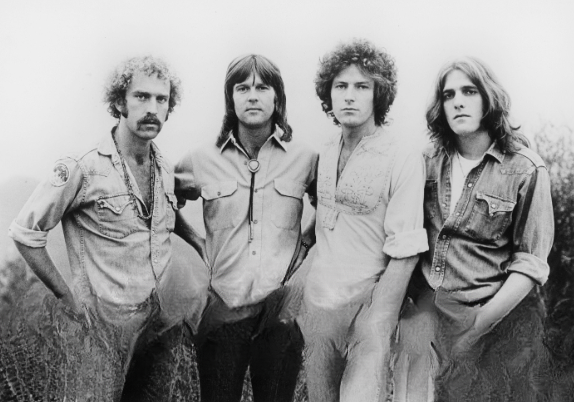
Eagles’ “One of These Nights”: How a 1975 Classic Blended Desire, Mystery, and Musical Ambition
When the Eagles released “One of These Nights” in 1975, the band was entering an important period in its development. Already known for combining country influences with California rock, the group was moving toward a more polished and ambitious sound. The song brought together memorable melodies, carefully arranged harmonies, a distinctive rhythm, and an atmosphere that felt both inviting and mysterious.
More than five decades later, “One of These Nights” remains an important recording in the Eagles’ catalog. Its appeal comes not only from its commercial success but also from the way it captures a particular musical moment. The track reflects the changing direction of American rock during the 1970s, when artists were experimenting with richer production, more sophisticated arrangements, and songs that blended emotional themes with strong instrumental performances.
The song also illustrates the Eagles’ ability to combine accessibility with musical detail. Its melody is easy to recognize, but its atmosphere, vocal arrangement, and instrumental layers reward repeated listening. Rather than relying on one musical idea, the recording develops through the interaction of several elements that give it a distinctive character.
Understanding “One of These Nights” means looking at the band’s evolution, the creative choices behind the recording, the meaning listeners may find in its themes, and the lasting influence of the Eagles on popular music.
The Eagles Before “One of These Nights”
The Eagles formed in Los Angeles in 1971, bringing together musicians with different backgrounds and a shared interest in songwriting and vocal harmony. The original lineup included Glenn Frey, Don Henley, Bernie Leadon, and Randy Meisner.
Their early music drew on country rock, folk, and the melodic traditions of American popular music. The group became known for combining detailed harmonies with arrangements that were accessible to a broad audience.
The band’s first major successes helped establish its reputation. Songs such as “Take It Easy” and “Witchy Woman” introduced listeners to its mixture of relaxed West Coast sounds, country influences, and carefully constructed melodies.
As the Eagles developed, however, their music became more varied. The band was not content to repeat the same formula indefinitely. Each album provided opportunities to explore new arrangements, different moods, and more ambitious production choices.
Their 1974 album, On the Border, represented part of that transition. The group continued to draw on its earlier influences while incorporating a stronger rock sound. The album included “Already Gone” and “The Best of My Love,” demonstrating the range of approaches the band could use within the same musical identity.
By the time the Eagles began working on their next album, they had established a substantial audience and were developing a clearer sense of their long-term artistic direction.
“One of These Nights” would become an important part of that development.
A Defining Moment in 1975
The mid-1970s were a period of change in popular music. Rock remained commercially powerful, but audiences were also encountering a wide range of styles, from progressive rock and singer-songwriter albums to disco, funk, and increasingly elaborate studio productions.
Artists and producers were exploring ways to make recordings sound more precise, layered, and distinctive. Improvements in studio techniques gave musicians additional opportunities to shape the relationship between instruments, voices, rhythm, and atmosphere.
The Eagles were well positioned to take advantage of these developments. Their experience with harmony and songwriting gave them a strong foundation, while their growing confidence allowed them to explore arrangements beyond the sound of their earliest recordings.
“One of These Nights” arrived during this period of expansion. The song retained the melodic accessibility that had helped the group build its audience, but its atmosphere and arrangement pointed toward a more sophisticated rock sound.
The recording did not abandon the Eagles’ earlier identity. Instead, it built upon it.
Listeners could still recognize the band’s attention to melody and harmony, yet the song also featured a darker mood and a more pronounced rhythmic drive. These elements helped distinguish it from some of the lighter country-rock material associated with the group’s beginnings.
The result was a recording that sounded connected to the band’s past while suggesting new possibilities for its future.
The Story Behind the Song
“One of These Nights” was written by Don Henley and Glenn Frey, two of the central creative figures in the Eagles.
Their songwriting partnership played a major role in shaping the band’s identity. Henley often brought a strong sense of atmosphere and emotional observation to his writing, while Frey contributed melodic instincts and an understanding of how a song could connect with a wide audience.
Their collaboration produced songs that balanced memorable hooks with themes involving relationships, uncertainty, ambition, and the complications of modern life.
“One of These Nights” reflects that combination. Its central idea suggests anticipation: the feeling that something important may happen, even if the exact moment remains uncertain.
The title itself creates a sense of possibility. It points toward a future moment without specifying precisely what that moment will bring.
That openness gives the song room for different interpretations. One listener may hear a story about romantic desire, while another may focus on restlessness, personal ambition, or the search for an experience that seems close but remains out of reach.
The song does not need to settle on a single explanation to communicate its mood. Its musical arrangement supports the feeling of anticipation, allowing the listener to experience the tension even without assigning a precise meaning to every element.
This balance between a clear emotional atmosphere and an open interpretation is one reason the recording has continued to interest listeners.
The Meaning of Desire and Longing
Desire is a familiar theme in popular music because it can be expressed in many ways. A song may explore the excitement of attraction, the uncertainty of a developing relationship, or the frustration of waiting for something that has not yet happened.
“One of These Nights” uses an atmosphere of anticipation that can be understood through several of these perspectives.
The song’s mood suggests movement toward a possible experience. There is a sense of expectation, but the outcome is not presented as something already settled.
That uncertainty gives the recording its emotional tension. Anticipation can be exciting, but it can also create restlessness. When people imagine a future possibility, they may feel motivated by the thought of what could happen while remaining aware that the result is not guaranteed.
Music can communicate this experience without explaining it directly. Rhythm, vocal delivery, harmony, and instrumental texture can create a feeling that listeners recognize from their own lives.
The Eagles’ approach allows the emotional atmosphere to remain central. Rather than turning the song into a detailed narrative with a clearly defined beginning and conclusion, the recording emphasizes a particular state of mind.
That makes it possible for listeners to connect the song with different experiences, depending on their own memories and interpretations.
A More Sophisticated Musical Direction
One of the most noticeable features of “One of These Nights” is its sound. The song combines rock instrumentation with elements of funk and soul, creating a rhythmic character that differs from the gentler country-rock style associated with some of the Eagles’ earlier work.
The rhythm section establishes a steady foundation, while the guitars add texture and melodic movement. The arrangement creates space for the vocals without allowing the instrumental backing to become passive.
This balance is important. A strong arrangement supports a song’s emotional direction while giving individual instruments room to contribute their own character.
The Eagles were known for paying close attention to how musical parts interacted. Rather than treating a recording as a simple performance captured in a studio, the band could use arrangement and production to shape the listener’s experience.
In “One of These Nights,” the various elements work together to create a sound that is polished but not emotionally distant.
The track has enough rhythmic energy to feel engaging, yet its atmosphere remains controlled. This combination gives the song a distinctive place within the group’s catalog.
It also demonstrates how a band can evolve without abandoning the characteristics that made its music recognizable in the first place.
The Importance of the Rhythm
Rhythm plays a central role in the identity of “One of These Nights.” The song’s steady pulse gives it forward momentum, reinforcing the sense that the music is moving toward something.
A rhythm can influence how listeners interpret a song even before they pay close attention to its lyrics. A relaxed beat may suggest ease or reflection, while a more insistent groove can create energy, anticipation, or tension.
The Eagles use rhythmic consistency to support the track’s atmosphere. The arrangement does not need to accelerate dramatically to create movement. Instead, the steady foundation allows the other instruments and vocals to shape the song’s development.
This approach gives the recording a sense of control. Each part contributes to the larger musical structure, helping the song remain cohesive as it moves between sections.
The rhythmic character also reflects the broader musical influences of the period. Rock musicians were increasingly incorporating elements of funk and soul into their arrangements, expanding the range of sounds that could fit within a mainstream rock recording.
“One of These Nights” demonstrates how these influences could be integrated into the Eagles’ existing style.
Glenn Frey’s Guitar Work
Glenn Frey was an important part of the Eagles’ musical identity. In addition to his role as a singer and songwriter, he contributed guitar work that helped shape the band’s arrangements.
“One of These Nights” features a guitar-centered sound that supports its mood and structure. The guitar is not merely an accompaniment; it helps create the recording’s character through its tone, phrasing, and relationship with the rhythm section.
The arrangement benefits from restraint. Rather than filling every moment with additional notes, the instrumental parts leave space for the song to breathe.
That space can make a melody feel more memorable because listeners have time to register each phrase. It also allows the rhythmic elements to remain clear.
Frey’s contribution fits within the Eagles’ broader approach to performance, in which individual parts serve the overall composition. The result is a recording where the instruments work together rather than compete for attention.
The song’s guitar work also illustrates how relatively simple musical ideas can become distinctive through timing, tone, and placement within an arrangement.
Don Henley’s Vocal Performance
Don Henley’s voice became one of the most recognizable elements of the Eagles’ sound. His singing often combined clarity with a slightly rough edge, allowing him to convey emotion without relying on exaggerated vocal gestures.
In “One of These Nights,” the vocal performance contributes to the song’s atmosphere of anticipation. The delivery feels controlled, giving the melody room to develop while maintaining the emotional focus of the composition.
Vocal interpretation can have a major effect on how listeners experience a song. The same words may sound reflective, confident, uncertain, or urgent depending on phrasing, timing, and tone.
Henley’s approach helps maintain the balance between the song’s polished musical structure and its sense of longing. The performance does not overwhelm the arrangement; it becomes one of the elements that hold it together.
His role as a songwriter also matters. Because he helped shape the song’s ideas, the vocal delivery can be understood as part of a larger creative process in which words, melody, and arrangement support one another.
The result is a performance that remains recognizable without needing to rely on excessive ornamentation.
The Role of Vocal Harmonies
Harmony was one of the defining characteristics of the Eagles from the beginning. The group developed a reputation for blending voices in ways that strengthened both its melodies and its overall sound.
In many popular recordings, backing vocals serve primarily to reinforce a chorus or add volume. The Eagles often treated harmonies as a more integral part of the arrangement.
Their voices could add warmth, create contrast, or make a musical passage feel broader than the lead vocal alone.
“One of These Nights” reflects the group’s attention to vocal texture. The song’s arrangement uses the relationship between the lead performance and the surrounding musical elements to maintain its atmosphere.
The harmonies also connect the track to the band’s earlier work. Even as the Eagles explored a more rhythmic and polished sound, vocal blending remained an important part of their identity.
This continuity helped the group evolve without losing the qualities that listeners associated with its music.
The Album That Changed the Band’s Trajectory
“One of These Nights” was the title track of the Eagles’ fourth studio album, released in 1975. The album marked an important point in the band’s development and became a commercial success.
The record included several notable songs, among them “Lyin’ Eyes,” “Take It to the Limit,” and “One of These Nights.” Each demonstrated a different aspect of the group’s musical range.
“Lyin’ Eyes” leaned into storytelling and country-rock influences, using a narrative approach to explore a complicated relationship. “Take It to the Limit” offered a more expansive emotional performance, with Randy Meisner taking the lead vocal.
The title track presented a different mood, emphasizing a rhythmic groove and a