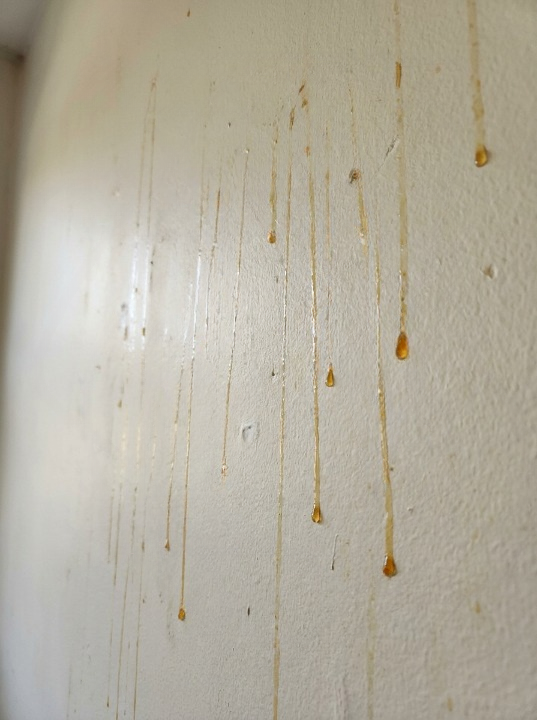
Yellow Drips on Bathroom Walls? What They Could Mean and How to Deal With Them
If you have ever noticed thin yellow streaks or drips appearing on the walls of your bathroom, you may have wondered where they came from. The marks can look unusual, especially when they appear unexpectedly on a wall that seemed clean only a short time earlier.
Bathrooms are naturally exposed to moisture, steam, cleaning products, personal-care items, and changing temperatures. Because of these conditions, walls and ceilings can develop discoloration for many different reasons.
The good news is that a yellow mark does not automatically mean there is a serious problem.
In many cases, the cause can be relatively simple, such as condensation, residue from household products, dust collecting on a damp surface, or a minor issue with the paint or wall finish. However, persistent discoloration can sometimes indicate moisture getting into an area where it should not be.
Understanding the possible causes can help you decide whether the marks can be cleaned easily or whether they deserve a closer inspection.
Why Do Yellow Drips Appear on Bathroom Walls?
There is no single explanation for yellow streaks on bathroom walls.
The bathroom environment creates several conditions that can contribute to discoloration. Warm showers produce steam, which raises humidity. That moisture can settle on cooler walls and ceilings as condensation.
If the surface remains damp, substances already present on the wall can move with the moisture and leave visible trails as the water evaporates.
Other possible sources include soap residue, hairspray, skin-care products, cleaning solutions, nicotine residue from previous occupants, aging paint, or moisture-related staining.
The exact appearance of the mark can provide useful clues.
A light yellow or slightly brown streak may have a different cause from a thick, sticky, or repeatedly returning stain.
For that reason, it is helpful to look at the location, texture, smell, and pattern of the discoloration rather than assuming it is mold immediately.
Could Yellow Drips Be Mold?
Mold can appear in areas with persistent moisture, but yellow discoloration by itself does not prove that mold is present.
Mold can appear in different colors depending on the species, surface, moisture conditions, and stage of growth. It may appear black, green, gray, white, brown, or in other shades.
A yellow mark could therefore occur alongside a moisture problem, but a simple yellow streak should not automatically be identified as mold.
Instead, look for additional signs.
Persistent dampness, musty odors, recurring discoloration, visible fuzzy or textured growth, peeling paint, damaged drywall, or areas that remain wet for extended periods may indicate a moisture problem that deserves further attention.
If you are unsure what you are seeing, avoid relying solely on color as a way of identifying the material.
Condensation Is One Common Possibility
One of the simplest explanations for bathroom wall streaks is condensation.
When warm, humid air comes into contact with a cooler surface, water can collect on that surface.
This happens frequently after showers.
If your bathroom has limited ventilation, the moisture may remain in the room for a long time. Water droplets can slowly run down walls, carrying tiny amounts of residue with them.
As the water evaporates, it can leave behind a visible trail.
Over time, repeated condensation can make certain areas of a bathroom look stained even though there is no major leak.
This is particularly common around cooler sections of walls, near windows, corners, ceilings, and areas with limited air circulation.
How Bathroom Humidity Contributes to Wall Marks
Humidity itself does not necessarily create yellow stains, but high humidity can contribute to the conditions that make discoloration more likely.
When a bathroom stays humid for long periods, surfaces have more difficulty drying completely.
Repeated cycles of getting wet and drying can affect paint and other wall finishes.
Humidity can also make it easier for dust, residue, and other substances to stick to surfaces.
Over time, these materials can combine with moisture and create visible streaks.
Improving ventilation is therefore one of the most useful long-term steps you can take.
Your Bathroom Fan May Be Important
Bathroom ventilation plays a major role in controlling moisture.
If your bathroom has an exhaust fan, it should generally be used during showers and for some time afterward, according to the manufacturer’s instructions and the ventilation needs of the room.
A fan helps move humid air out of the bathroom rather than allowing it to remain trapped inside.
If the fan is unusually noisy, weak, clogged, or appears not to remove moisture effectively, it may need cleaning or inspection.
A fan that runs but moves very little air may not be providing enough ventilation.
Check for Simple Product Residue
Before assuming there is a building or plumbing problem, consider what products are regularly used in the bathroom.
Shampoo, conditioner, body wash, soap, shaving products, hairspray, lotions, cleaning products, and other substances can sometimes leave residue.
Some products contain oils, dyes, or other ingredients that may become visible after repeated exposure to moisture.
If the streaks are located near a sink, shower, bathtub, shelf, or storage area, product residue is worth considering.
A careful cleaning test can help determine whether the marks are simply surface residue.
Cleaning Products Can Also Leave Discoloration
Ironically, products used to clean bathrooms can sometimes contribute to visible residue.
If a cleaning solution is applied heavily and not properly wiped or rinsed, some ingredients may remain on a surface.
When moisture later runs down the wall, the residue can move with it.
This can create streaks that look very different from the original cleaning product.
Using cleaning products according to their labels and avoiding excessive amounts can help reduce this problem.
Never mix cleaning chemicals unless the product labels specifically indicate that doing so is safe.
Some combinations of household cleaners can create hazardous fumes.
Aging Paint Can Change Appearance
Bathroom paint is exposed to more moisture and temperature changes than paint in many other rooms.
Over time, the finish may age, discolor, or become less resistant to moisture.
Older layers of paint may also react differently to cleaning and condensation.
If yellowing appears across a larger section of a wall rather than in isolated streaks, aging paint could be part of the explanation.
Peeling, bubbling, cracking, or soft areas, however, deserve closer attention because they can sometimes be associated with moisture behind the surface.
Could It Be a Water Leak?
A leak is another possibility that should not be ignored, particularly if the yellow marks repeatedly return after cleaning.
Water moving through a wall can carry materials from building components and leave behind yellow, brown, or tan discoloration.
A leak may originate from plumbing inside the wall, a bathroom fixture, a pipe above the ceiling, or another part of the building.
Not every water-related stain is obvious.
Sometimes the first indication is a small discolored patch that gradually becomes larger.
If the same area repeatedly becomes wet or stained even after thorough cleaning and adequate ventilation, investigating the source of the moisture is more important than simply cleaning the mark again.
Look at the Pattern of the Stain
The shape of the discoloration can provide clues.
Thin vertical streaks may be associated with water movement.
A patch surrounding a pipe, shower fitting, ceiling area, or plumbing fixture may point toward a localized moisture source.
Marks concentrated around a window could be related to condensation.
Discoloration near the ceiling may deserve attention if there is another room, bathroom, or plumbing system above it.
The pattern does not provide a definitive diagnosis, but it can help determine what to investigate first.
Check the Ceiling as Well
If yellow streaks are appearing on the walls, take a quick look at the ceiling.
Bathrooms often have high humidity near the ceiling because warm air rises.
If the ceiling has water spots, peeling paint, bubbling, or areas that remain damp, the issue may extend beyond simple surface residue.
A ceiling stain below another bathroom or plumbing area could also indicate a leak.
The goal is not to panic but to identify whether the discoloration is isolated or part of a larger moisture pattern.
What to Do Before Cleaning
Before attempting to remove a stain, identify the type of surface.
Painted drywall, tile, wallpaper, wood trim, and other materials can react differently to cleaning products.
Start with the gentlest appropriate method.
For many washable painted surfaces, a soft cloth or sponge with mild soapy water may be enough to remove ordinary surface residue.
Avoid aggressively scrubbing the wall.
Excessive pressure can damage paint and make the affected area more noticeable.
It is also a good idea to test your cleaning method on a small, less visible area first.
Give the Wall Time to Dry
After cleaning, allow the surface to dry completely.
This is an important step because it helps you determine whether the discoloration was simply sitting on the surface.
If the yellow mark disappears and does not return, surface residue may have been the likely explanation.
If the mark gradually comes back, something may still be contributing to the discoloration.
Recurring stains are worth investigating rather than repeatedly covering them with paint.
Improve Bathroom Ventilation
One of the easiest ways to reduce moisture-related problems is to improve airflow.
Use the bathroom exhaust fan when appropriate.
If the room has a window, opening it when weather and privacy conditions allow can also help exchange humid indoor air with drier outdoor air.
Keep ventilation pathways clear.
After a shower, allowing surfaces to dry rather than leaving the room closed and humid for hours can make a noticeable difference over time.
Wipe Down Excess Moisture
If your bathroom regularly develops condensation, wiping excess water from walls and other surfaces can help.
This is particularly useful in bathrooms where ventilation is limited.
A simple microfiber cloth or appropriate squeegee can remove surface moisture before it has a chance to evaporate and leave residue behind.
The goal is not to make bathroom maintenance complicated.
Small habits can reduce the amount of moisture that remains on surfaces.
Consider the Bathroom’s Temperature
Temperature differences can influence condensation.
A very warm shower followed by a cold bathroom can create conditions in which moisture quickly condenses on cooler surfaces.
Keeping the room reasonably ventilated and maintaining a more consistent temperature can help reduce excessive condensation.
However, ventilation remains important because simply heating a humid room does not remove moisture.
When Yellow Marks Keep Returning
Recurring discoloration deserves more attention.
If you clean a wall and the yellow streaks return within a short period, ask whether the same area is repeatedly exposed to moisture.
Look for:
- Damp or soft drywall
- Peeling or bubbling paint
- A musty smell
- Water spots on the ceiling
- Staining around plumbing fixtures
- Discoloration that gradually expands
- Moisture that remains after the rest of the bathroom dries
- Cracks or gaps around fixtures
- Similar staining in nearby rooms
None of these signs automatically identifies the exact source, but together they can indicate that further inspection is appropriate.
What If the Wall Feels Soft?
A soft or weakened wall should not simply be painted over.
Drywall can become damaged when exposed to repeated moisture.
If a section of wall feels unusually soft, swollen, or unstable, the underlying cause should be investigated.
Depending on the situation, a homeowner may need a qualified professional to determine whether plumbing, ventilation, or another building issue is involved.
Covering the visible mark without addressing the source may only delay the problem.
When Professional Help Makes Sense
Not every yellow streak requires professional assistance.
A small surface stain that wipes away easily and does not return may be nothing more than ordinary bathroom residue.
However, professional evaluation can be worthwhile when the cause is unclear or when there are signs of continuing moisture.
Consider getting help if:
- The stain continues to grow.
- It repeatedly returns after cleaning.
- The wall or ceiling is soft.
- Paint is bubbling or peeling.
- There is evidence of an active leak.
- A persistent musty odor is present.
- Multiple areas are becoming discolored.
- You suspect moisture is inside the wall.
- You cannot determine where the moisture is coming from.
Addressing a moisture problem early can prevent more extensive repairs later.
Do Not Paint Over the Problem Too Quickly
A fresh coat of paint can make a wall look clean again, but paint is not a substitute for solving a moisture issue.
If a stain is caused by a leak or persistent condensation, the discoloration may eventually return.
Before repainting, make sure the surface is dry and determine whether there is an underlying reason for the staining.
If the paint has been damaged by moisture, the appropriate repair may involve more than simply applying another layer.
What About Bleach?
Bleach is often associated with bathroom cleaning, but it should not automatically be the first choice for every yellow mark.
Different surfaces respond differently to cleaning chemicals.
More importantly, cleaning chemicals should always be used according to their labels.
Never mix bleach with ammonia, acids, or other household cleaners.
Chemical reactions can produce dangerous gases.
If you are uncertain about the correct product for a particular surface or suspected material, a safer approach is to consult the product instructions or seek professional advice.
Why Bathrooms Need Regular Maintenance
Bathrooms are among the most moisture-intensive rooms in many homes.
Regular maintenance can help prevent small issues from becoming larger ones.
Simple habits include cleaning surfaces regularly, checking ventilation, watching for leaks, inspecting caulking around fixtures, and addressing damaged areas.
Pay attention to changes.
A wall that was previously dry but suddenly develops discoloration deserves more attention than a minor mark that has remained unchanged for years.
Check Around the Shower and Bathtub
The areas surrounding showers and bathtubs deserve particular attention.
Water can enter small gaps around fixtures, damaged grout, worn caulking, or joints.
Over time, repeated exposure can contribute to moisture-related damage.
Inspect these areas periodically.
If caulking is cracked, separated, or visibly deteriorated, it may need to be replaced using an appropriate bathroom-rated product.
Keeping water where it belongs is an important part of bathroom maintenance.
Examine the Sink Area
Yellow streaks near a sink can have a simpler explanation.
Soap, toothpaste, shaving products, cosmetics, and cleaning materials can accumulate around the basin.
Water splashing onto nearby walls may carry these substances downward.
If the marks are concentrated around the sink, clean the surrounding area carefully and observe whether the discoloration returns.
This can help distinguish ordinary household residue from a larger moisture issue.
Windows Can Create Condensation
If your bathroom has a window, check whether the yellow streaks appear nearby.
Bathroom windows can become much cooler than the humid indoor air.
When warm, moist air touches the glass and surrounding surfaces, condensation can form.
Repeated condensation can eventually affect paint, trim, and nearby wall surfaces.
Improving airflow and reducing excessive humidity can help.
What If the Stain Is on the Ceiling?
A yellow or brown mark on a bathroom ceiling can have several possible causes.
Condensation is one possibility, especially if the entire bathroom tends to remain humid.
A plumbing leak from above is another possibility, particularly if there is a room, bathroom, or pipework directly above the affected area.
If the stain is expanding, becoming darker, or accompanied by bubbling paint, it should be investigated.
Do not assume that every ceiling stain is caused by mold.
The underlying moisture source matters more than the color alone.
A Simple Troubleshooting Approach
If you discover yellow streaks, you do not need to immediately assume the worst.
Instead, work through the possibilities systematically.
First, inspect the area.
Notice the location, size, texture, and pattern.
Second, consider whether the area is exposed to frequent condensation.
Third, check nearby plumbing fixtures.
Fourth, clean a small section carefully using an appropriate mild method.
Fifth, allow the area to dry completely.
Finally, observe whether the discoloration returns.
If it disappears and stays gone, the problem may have been surface residue.
If it repeatedly returns, investigate further.
This approach can prevent unnecessary worry while still encouraging appropriate maintenance.
Why Early Attention Helps
A small stain is often easier to investigate than a larger one.
If moisture is entering a wall, identifying the source early can potentially limit the extent of damage.
Likewise, improving ventilation early can reduce repeated condensation.
The important point is not to become alarmed by every unusual mark.
Instead, pay attention to patterns and changes.
A bathroom is a constantly changing environment, and minor discoloration can occur for ordinary reasons.
Persistent or worsening changes deserve a closer look.
Common Mistakes to Avoid
One common mistake is assuming that every colored stain is mold.
Color alone cannot reliably identify what caused a mark.
Another mistake is immediately covering the stain with paint.
If moisture is responsible, the underlying problem may continue.
A third mistake is using increasingly strong cleaning chemicals without understanding the surface or the material being cleaned.
More chemical does not necessarily mean better cleaning.
Finally, never ignore signs of an active leak simply because the visible stain appears small.
Keeping Your Bathroom Walls Cleaner
Prevention is often easier than repeated repair.
Use adequate ventilation, keep surfaces reasonably dry, clean product residue regularly, and inspect areas around fixtures.
Pay attention to caulking and grout.
If you notice water accumulating in places where it normally should not, determine why.
These basic maintenance habits can help keep bathroom surfaces in better condition.
The Bottom Line
Yellow drips on a bathroom wall can look concerning, but they do not automatically indicate mold or a serious structural problem.
Possible explanations include condensation, product residue, cleaning-product buildup, aging paint, surface dirt, or moisture entering the wall.
The best way to approach the situation is to look at the pattern and condition of the affected area.
If the mark wipes away easily and does not return, the cause may be relatively simple.
If the discoloration keeps coming back, grows larger, appears alongside peeling or bubbling paint, or is accompanied by persistent dampness, the source of the moisture should be investigated.
Good bathroom ventilation, regular cleaning, and attention to plumbing and wall conditions can go a long way toward preventing recurring stains.
Most importantly, avoid judging the cause solely by the color of the mark. A yellow streak is a symptom of something happening on or around the surface, not a diagnosis by itself.
Taking a calm, practical approach can help you determine whether you are dealing with ordinary bathroom residue or a moisture issue that deserves professional attention.