Introduction: When Simple Appliances Changed Daily Living
Take a moment to imagine a typical home nearly a century ago. Morning light gently enters through kitchen windows, the smell of freshly baked bread lingers in the air, and families gather around the table to begin their day. Breakfast was not just a quick routine—it was a shared moment shaped by slower living and simpler technology.
In that setting, one small device quietly transformed morning habits across households: the early electric toaster. Though today’s kitchens are filled with automated appliances and smart technology, the early toaster represented a major step forward in convenience, innovation, and domestic change.
This article explores the evolution of this iconic appliance, how it changed daily routines, and why vintage kitchen tools continue to fascinate collectors and historians today.
A Kitchen Before Modern Convenience
Before electric appliances became common, breakfast preparation required time and attention. Bread was toasted manually using open flames, stovetops, or metal racks placed near heat sources.
This process required constant supervision. Bread could easily burn, and achieving an even toast was difficult. Kitchens relied heavily on human attention and experience rather than automation.
Despite its simplicity, breakfast was an important part of daily life. It brought families together and marked the beginning of the day. But the process itself was far from convenient.
The need for safer, more reliable methods of heating bread eventually led to one of the most important kitchen innovations of the early 20th century.
The Arrival of the Early Electric Toaster
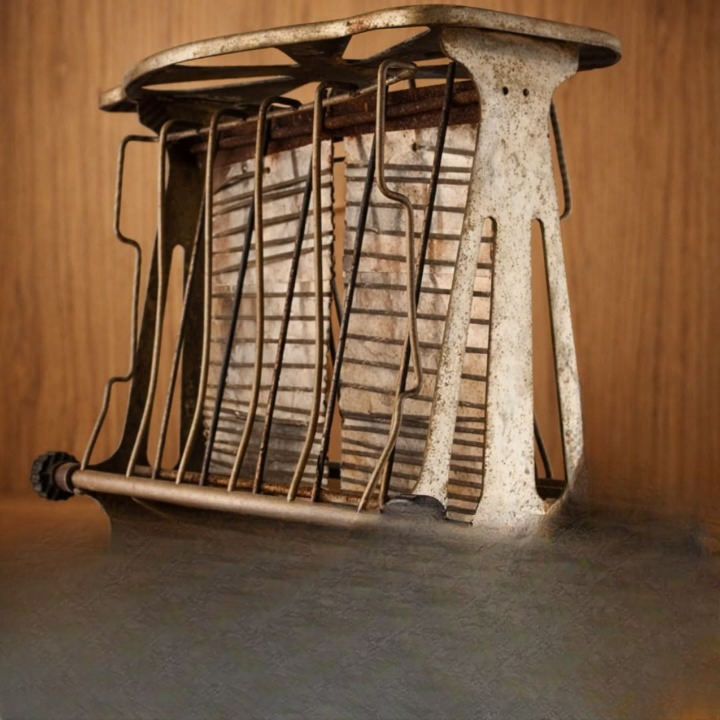
The introduction of early electric toasting devices marked a turning point in household technology. These early models were often made of metal and featured exposed heating elements designed to brown bread on one or both sides.
Unlike modern toasters, these devices required careful monitoring. Many did not include automatic pop-up mechanisms, meaning users had to manually remove bread once it reached the desired level of toastiness.
Despite their limitations, these early appliances represented progress. They reduced reliance on open flames and made breakfast preparation more consistent.
For many households, owning such a device was considered a sign of modern living.
How Early Toasters Worked
Early toaster designs were simple but innovative for their time. Bread slices were placed inside metal frames or holders positioned near electric heating coils.
Once powered, the coils would gradually heat up, causing the bread to brown. Timing was essential, as there were no built-in sensors or automatic shut-off features in many early models.
Some versions required users to flip the bread manually to ensure even toasting. Others toasted only one side at a time, requiring careful handling.
While primitive by today’s standards, these devices laid the foundation for modern kitchen convenience.
The Design Aesthetic of Vintage Appliances
One of the most striking aspects of early toasters is their design. Unlike modern plastic and streamlined appliances, vintage toasters were often made of polished metal, cast iron, or chrome finishes.
They were built not only for function but also for durability. Many had exposed coils, mechanical switches, and heavy bases designed to withstand repeated use.
These appliances often reflected the design trends of their era—industrial, practical, and robust.
Today, they are admired not just for their functionality but also for their aesthetic appeal. Collectors value them as artifacts of domestic history.
The Cultural Shift in Breakfast Habits
The introduction of electric toasters also contributed to a broader cultural shift in how people viewed breakfast.
Before mechanization, breakfast preparation was often time-consuming. With the arrival of early appliances, morning routines became more efficient.
This change had a subtle but lasting impact on daily life. It allowed households to spend less time preparing food and more time engaging in other activities before starting the day.
Over time, breakfast became less about preparation and more about convenience.
This shift would continue to evolve with later innovations in kitchen technology.
The Role of Innovation in Everyday Life
The early toaster may seem like a simple device, but it represents a larger pattern in human innovation: the transformation of routine tasks through technology.
Small improvements in daily life often have the greatest long-term impact. The ability to toast bread more easily might seem minor, but it reflects a broader movement toward efficiency and modernization in households.
This pattern can be seen across many early 20th-century inventions, from washing machines to refrigerators and beyond.
Each innovation contributed to reshaping how people lived, worked, and managed their homes.
Why Vintage Kitchen Appliances Still Fascinate Us
Today, vintage appliances like early toasters are highly sought after by collectors, museums, and design enthusiasts.
There are several reasons for this continued interest:
1. Historical Value
They represent a time when modern convenience was just beginning to emerge.
2. Craftsmanship
Many early appliances were built with durable materials and mechanical precision.
3. Design Aesthetics
Their industrial look contrasts sharply with today’s minimalist designs.
4. Nostalgia
They evoke memories of family kitchens and earlier generations.
These objects are more than tools—they are symbols of change.
From Manual Labor to Automation
The evolution from early toasters to modern smart appliances reflects a larger trend in technological development: the gradual reduction of manual effort.
Where early users had to monitor bread constantly, modern toasters use timers, sensors, and automatic pop-up mechanisms.
Some advanced models even adjust heat levels automatically based on bread type.
This progression illustrates how technology has increasingly taken over repetitive household tasks, freeing up time for other activities.
The Early Toaster as a Symbol of Transition
Beyond its practical use, the early toaster symbolizes a transitional moment in domestic life.
It sits between two eras: one defined by manual preparation and one defined by automation.
It represents the beginning of a shift that would eventually transform entire households, not just kitchens.
In this way, it is not merely a kitchen tool but a historical marker of progress.
Collecting and Preserving Kitchen History
Many vintage appliance enthusiasts actively collect early toasters and similar kitchen tools. These items are often restored, displayed, and studied as part of domestic history collections.
Collectors value them for their craftsmanship, rarity, and historical significance.
Some are still functional, though most are preserved as display pieces rather than everyday tools.
Museums and private collectors alike help preserve these artifacts so that future generations can understand how everyday life once looked and functioned.
How Design Evolution Reflects Changing Lifestyles
The evolution of toaster design mirrors broader changes in lifestyle and consumer expectations.
Early designs focused on durability and manual control. Later designs prioritized safety, automation, and convenience.
Modern appliances emphasize speed, energy efficiency, and digital integration.
Each stage reflects not only technological advancement but also changing human priorities.
What once required attention and patience has now become nearly effortless.
The Simplicity We Often Forget
Looking back at early kitchen appliances also reminds us of something important: simplicity.
In a world increasingly filled with complex devices and digital systems, early tools highlight a time when functionality was direct and visible.
There were no hidden menus, no software updates, no digital interfaces—just mechanical design and physical operation.
This simplicity is part of why vintage appliances continue to captivate modern audiences.
Conclusion: More Than Just a Kitchen Tool
The early toaster was more than just a way to prepare breakfast. It was a reflection of a changing world—one where technology began to enter the home and reshape everyday life.
From its humble beginnings to its modern evolution, it represents a story of innovation, convenience, and cultural transformation.
Today, while we may take modern kitchen appliances for granted, looking back at these early inventions helps us appreciate how far we have come.
And perhaps more importantly, it reminds us that even the simplest tools can play a meaningful role in shaping daily life across generations.