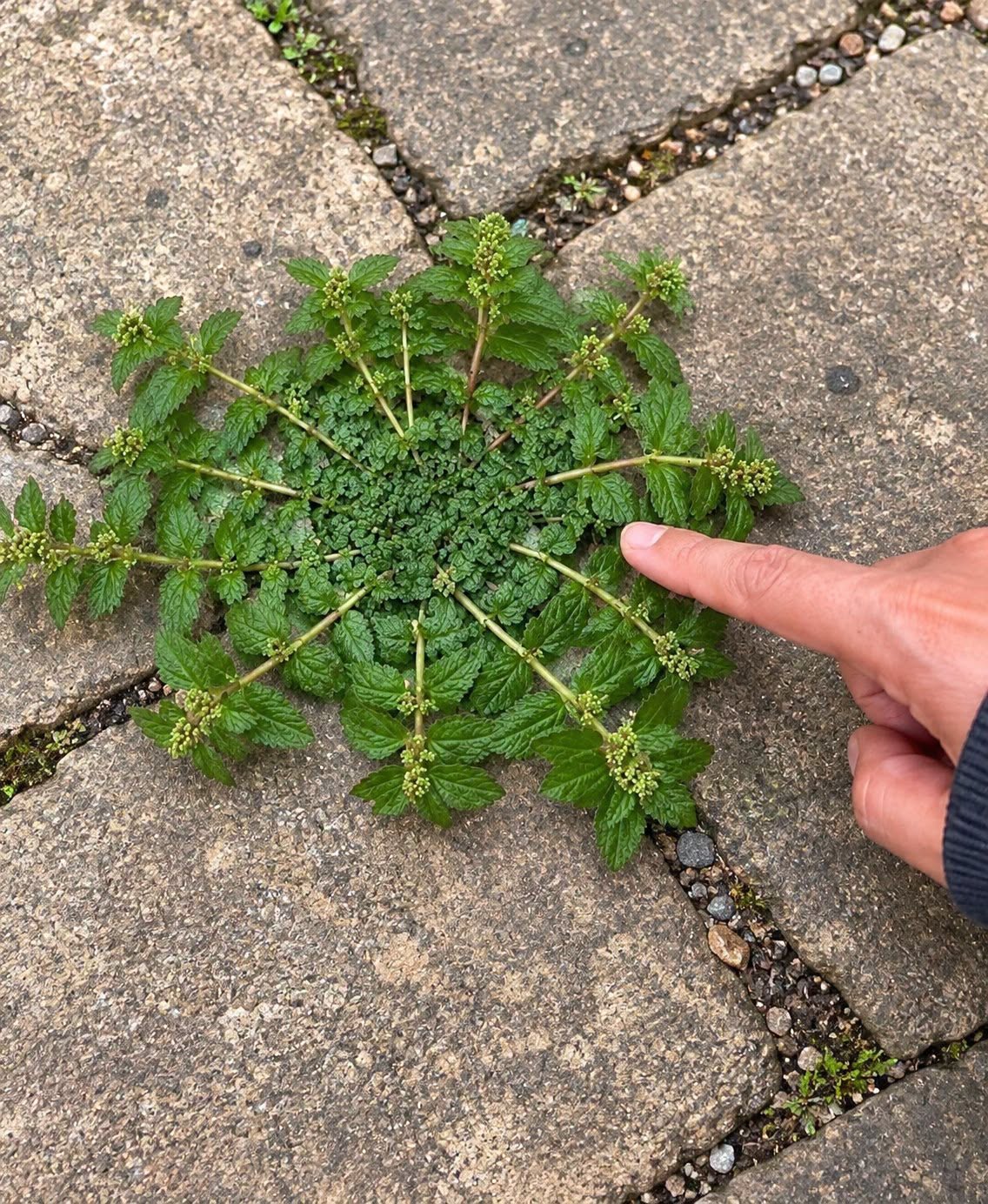
Have you ever walked past an ordinary-looking plant without realizing how interesting it might actually be?
Some plants that appear completely unremarkable at first glance have a fascinating history, unusual properties, cultural significance, or practical uses. In certain cases, particular leaves can even become valuable because of their rarity, age, condition, or connection to a specialized market.
That doesn’t mean every leaf from a particular plant is worth a fortune. Claims suggesting that a single leaf is automatically worth thousands of dollars—or even “a gold mine”—should always be treated cautiously.
However, there are plenty of legitimate reasons why people become fascinated by unusual plants and their leaves.
The Surprising Value of Plants
Plants have played an important role in human life for thousands of years.
They provide food, materials, shade, medicine, fragrances, dyes, and countless other resources. Some have also become popular collector’s items.
Certain rare plants can command significant prices among enthusiasts, especially when they are difficult to grow, difficult to propagate, or highly sought after.
In those cases, the value usually comes from the plant itself rather than from one ordinary leaf.
Collectors may consider factors such as species, rarity, health, provenance, size, variegation, age, and growing conditions.
This is why a plant that looks ordinary to one person can be highly interesting to another.
Why Some Leaves Are Especially Interesting
A leaf isn’t simply a flat piece of greenery.
Leaves are highly specialized structures that allow plants to capture light and carry out photosynthesis.
Their shapes, colors, textures, and patterns vary enormously between species.
Some leaves are tiny.
Others can grow to impressive sizes.
Some have unusual patterns that make them especially attractive to collectors.
Variegated leaves, for example, can develop striking combinations of green, white, yellow, cream, or other colors.
In ornamental horticulture, unusual patterns can make certain plants more desirable.
But again, the presence of an unusual-looking leaf doesn’t automatically mean it has a high monetary value.
Rare Plants Can Become Collector Favorites
The world of plant collecting is much larger than many people realize.
Enthusiasts collect orchids, rare houseplants, carnivorous plants, succulents, bonsai, tropical species, and many other varieties.
Some collectors spend years learning how to identify different species and cultivate them successfully.
For particularly uncommon plants, demand can sometimes exceed supply.
That’s when prices may increase.
However, markets can change.
A plant that was highly sought after several years ago may become easier to propagate and therefore less expensive.
Likewise, a plant that is difficult to obtain may become more desirable if supplies remain limited.
Don’t Believe Every Viral Plant Claim
Social media is filled with dramatic claims about unusual plants.
You may see statements such as:
“One leaf can make you rich!”
“Check your backyard immediately!”
“This common plant is secretly worth thousands!”
Such headlines are designed to generate curiosity.
Sometimes they are based on a genuine story that has been exaggerated.
Other times, the claim may leave out important details.
For example, a rare plant might have sold for a high price, but that doesn’t mean every leaf from that plant has the same value.
The difference is important.
A single documented sale doesn’t establish a universal market price.
What Actually Determines Value?
If you’re trying to determine whether an unusual plant has monetary value, several factors should be considered.
Species
The first and most important question is identification.
Knowing the exact species or cultivar can make a major difference.
Two plants may look similar while having completely different values.
Rarity
A genuinely rare plant may attract collectors.
But rarity should be verified rather than assumed.
A plant that is uncommon in your neighborhood might be widely available elsewhere.
Condition
A healthy, well-established plant may be more desirable than a damaged or unhealthy specimen.
The condition of individual leaves can also matter when a plant is being sold for ornamental purposes.
Provenance
In specialist markets, documented history can sometimes add credibility and value.
Knowing where a plant came from and whether it has been correctly identified can be important.
Demand
Even a rare plant may not be valuable if nobody wants it.
Market demand plays a major role in determining prices.
Why Variegated Leaves Attract Attention
One of the most visually striking characteristics found in ornamental plants is variegation.
Variegation refers to differences in color or pigmentation within plant tissues.
A leaf might display a mixture of green and cream, green and white, or other patterns.
Certain types of variegation are particularly popular among houseplant collectors.
Some highly sought-after varieties have sold for substantial amounts, particularly when demand was high and propagation was difficult.
But prices can change dramatically.
As growers learn to propagate a plant more efficiently, availability may increase and prices can decline.
This is another reason not to assume that a viral price claim remains accurate indefinitely.
The Science Behind a Leaf
Beyond its potential decorative value, a leaf is a remarkable biological structure.
Leaves capture light energy and use it to help the plant produce sugars through photosynthesis.
Tiny structures called stomata help regulate gas exchange.
Water travels through the plant’s vascular system, while nutrients move between roots, stems, and leaves.
The shape of a leaf can also reflect adaptation to its environment.
Plants growing in dry conditions may have features that help reduce water loss.
Plants in tropical environments can develop large leaves that help them capture available light.
Even the simplest-looking leaf represents a complex biological system.
Plants Can Have Cultural Value Too
Monetary value isn’t the only kind of value a plant can have.
Some plants have deep cultural or historical significance.
They may be associated with traditional celebrations, local customs, medicine, food, or important historical events.
A plant can therefore be valuable to a community even if it has little commercial value.
In some cases, particular species are protected because of their ecological importance.
That means removing, selling, or transporting certain plants may be regulated.
Be Careful When Collecting Wild Plants
If you discover an unusual plant outdoors, don’t immediately dig it up or remove leaves.
Some plants are protected species.
Others may belong to public land, conservation areas, parks, or private property.
Removing plants from the wild can damage local ecosystems.
If you’re interested in identifying a plant, taking a photograph is often a much better first step.
You can photograph the leaves, flowers, stem, and overall shape without disturbing the organism.
How to Identify an Unusual Plant
If you’ve found a plant you don’t recognize, begin by taking clear photographs.
Capture:
-
The entire plant
-
Close-ups of the leaves
-
The stem
-
Flowers or fruit, if present
-
The surrounding environment
-
Any distinctive markings
Then compare the photographs with reliable botanical references.
Local botanical gardens, universities, horticultural organizations, and plant specialists can also be useful sources.
Avoid relying entirely on a single social-media comment.
Don’t Confuse Curiosity With Investment Advice
A viral story about a valuable plant can be entertaining, but it shouldn’t automatically be treated as financial information.
Plant markets can be unpredictable.
Prices may vary by country, seller, species, size, condition, and demand.
An advertised price isn’t necessarily the same as a completed sale.
For anyone considering buying or selling a rare plant, researching actual transactions and consulting knowledgeable specialists can provide a more realistic understanding of its value.
The Fascinating Part Isn’t Always the Price
The most interesting thing about an unusual plant may not be how much money someone could potentially make from it.
It might be the biology behind it.
It could be the history of the species.
It might have a unique adaptation that helps it survive.
Or perhaps the plant is simply beautiful.
Focusing only on monetary value can make us overlook the remarkable characteristics that make plants fascinating in the first place.
A Leaf Can Tell You a Lot
The next time you see an unusual leaf, take a closer look.
Notice its shape.
Look at its color.
Examine its texture.
Consider how it fits into the rest of the plant.
A leaf can provide clues about the species, its environment, and its stage of growth.
Something that looks ordinary at first can become much more interesting once you understand what you’re seeing.
Final Thoughts
The idea that “one leaf is worth a gold mine” makes for an attention-grabbing headline, but the reality is considerably more nuanced.
Some rare plants can indeed be valuable, particularly among specialized collectors.
However, the value of a leaf or plant depends on many factors, including its exact identity, rarity, condition, provenance, and current demand.
A random leaf from an unidentified plant shouldn’t be assumed to have significant monetary value simply because a similar-looking plant appeared in an online story.
Still, the underlying idea is worth exploring.
Plants are far more diverse than many people realize, and some species have fascinating histories and characteristics that can make them highly desirable.
So if you encounter an unusual plant, don’t immediately think about selling it.
First, identify it.
Learn where it comes from.
Find out how it grows.
Understand whether it is common or genuinely rare.
And most importantly, treat claims about extraordinary prices with a healthy degree of skepticism.
Sometimes the real treasure isn’t the money a plant might bring.