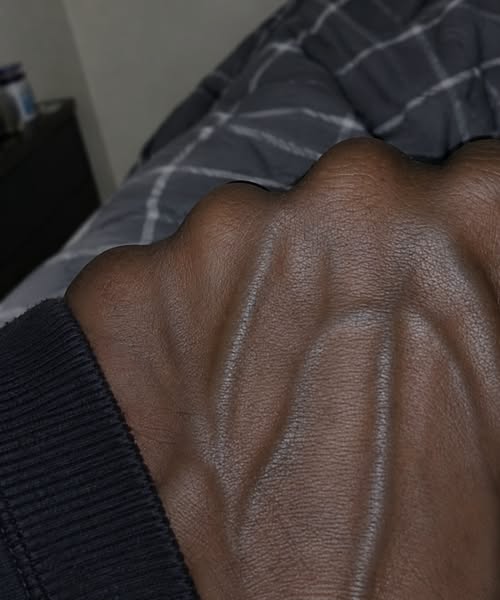
Have you ever looked down at your hands and noticed that the veins seem much more visible than they used to be?
For some people, prominent veins on the hands are simply a normal part of their appearance. For others, the veins may become more noticeable after exercise, during warm weather, or as the skin and tissues change with age.
Seeing veins on your hands does not automatically mean that something is wrong.
In fact, visible hand veins are common, and there are several everyday reasons why they may become easier to see.
Still, changes in your body are worth paying attention to, particularly when they occur suddenly or are accompanied by other unusual symptoms.
Understanding the difference between a normal variation and a change that deserves medical attention can help you avoid unnecessary worry while still taking your health seriously.
Why Are Hand Veins Visible in the First Place?
Veins carry blood back toward the heart.
Some veins are located relatively close to the surface of the skin, particularly on the hands and arms. Because of their position, they can sometimes be seen more clearly than veins located deeper inside the body.
How visible they appear depends on several factors.
Skin thickness, body composition, genetics, age, temperature, physical activity, and hydration can all influence their appearance.
Some people naturally have prominent veins even when they are completely healthy.
Others may notice very little vein visibility most of the time.
Both can be normal.
Exercise Can Temporarily Make Veins More Noticeable
One of the most common reasons hand veins become more prominent is physical activity.
During exercise, your muscles require increased blood flow.
Your circulation changes to meet the body’s increased demands, and veins may become more noticeable, particularly during activities involving the arms and hands.
Strength training can make this effect especially noticeable.
After exercising, some people may see their veins standing out more than usual.
This temporary change generally becomes less noticeable after the body returns to its resting state.
So if you notice prominent veins after lifting weights, running, cycling, or another physical activity, that alone isn’t necessarily a reason for concern.
Warm Weather Can Also Affect Vein Visibility
Temperature can influence how blood vessels appear.
In warmer conditions, blood vessels near the skin can expand as the body works to release heat.
As a result, veins may appear more prominent.
You might notice this when spending time outdoors during hot weather, taking a warm shower, or exercising in a warm environment.
Once your body cools down, their appearance may return closer to normal.
This is one reason you shouldn’t automatically interpret temporary changes in vein visibility as evidence of illness.
Body Composition Can Make a Difference
People with less tissue between the skin and underlying veins may naturally have more visible veins.
This can occur in people with a lower amount of body fat, particularly around the hands and forearms.
It can also happen after changes in body weight.
When the layer of tissue beneath the skin becomes thinner, veins that were previously less noticeable may become easier to see.
This doesn’t necessarily indicate a health problem.
It may simply reflect a change in the way the body’s tissues are distributed.
Aging Can Change the Appearance of Your Hands
As people get older, the skin generally becomes thinner and loses some of its elasticity.
There can also be changes in the tissues beneath the skin.
Together, these changes may make veins and other structures more noticeable.
That’s why someone may have relatively smooth-looking hands when they are younger but develop more visible veins later in life.
This can be a normal part of aging.
Changes in the appearance of the hands don’t automatically indicate that the veins themselves are unhealthy.
Genetics Play a Role
Some people simply inherit a tendency toward visible veins.
If close family members have prominent veins on their hands or arms, you may have a similar appearance.
The thickness and structure of your skin, the position of superficial veins, and your general body composition are all influenced to some degree by genetics.
This means two healthy people can have very different-looking hands.
One person may have barely visible veins.
Another may have veins that are clearly noticeable.
Neither appearance automatically tells you how healthy the person is.
Hydration Can Affect Appearance
Your body’s fluid balance can influence how your skin and underlying structures look.
After intense physical activity or substantial fluid loss, some people may notice temporary changes in the appearance of their veins.
However, visible veins alone aren’t a reliable way to determine whether someone is dehydrated.
If you’re concerned about hydration, pay attention to your overall symptoms and fluid intake rather than using vein visibility as a diagnostic test.
If you have ongoing concerns about dehydration or another health issue, a healthcare professional can provide appropriate guidance.
When Should You Pay More Attention?
Visible veins by themselves are often harmless.
However, a sudden change accompanied by other symptoms deserves more attention.
For example, if one hand or arm suddenly becomes swollen, painful, unusually warm, red, or significantly different from the other side, it would be sensible to seek medical advice.
Similarly, if a vein becomes painful or develops an unusual change in appearance, don’t assume that the cause is simply exercise or aging.
A healthcare professional can examine the area and determine whether further evaluation is necessary.
A Sudden Change Is More Important Than a Long-Standing Appearance
One useful distinction is whether the veins have always been visible or whether they have changed recently.
If you’ve had prominent hand veins for many years and they look the same on both hands, that may simply be part of your normal anatomy.
If you suddenly notice a significant change, particularly if it affects only one side or occurs alongside other symptoms, it’s more reasonable to have it evaluated.
The context matters.
Don’t Diagnose Yourself From a Photograph
Health-related posts online often encourage people to compare their bodies with photographs.
This can be misleading.
Lighting, camera angles, skin tone, temperature, exercise, and even the position of your hands can dramatically change how veins appear.
A photograph cannot reliably determine whether a particular vein is normal.
If you’re concerned about a physical change, an in-person evaluation is much more useful than comparing your hands with an image online.
Hand Veins Are Not a Simple Health Test
It’s tempting to believe that one visible physical feature can reveal exactly what’s happening inside the body.
Unfortunately, health is more complicated than that.
The visibility of a vein doesn’t provide enough information to diagnose a medical condition.
Doctors consider symptoms, medical history, physical examination findings, medications, and sometimes laboratory or imaging tests when appropriate.
That’s why claims such as “visible veins always mean you have a particular condition” should be treated cautiously.
What About Very Prominent Veins?
Some people naturally have veins that are quite noticeable.
This can be especially common on the back of the hands and along the forearms.
Prominent veins can become even more obvious when the arms are positioned below the level of the heart.
Gravity can influence blood distribution, changing how superficial veins appear.
When you raise your hands, their appearance may change again.
That kind of variation can be completely normal.
Pay Attention to the Whole Picture
Instead of focusing on one physical feature, consider your overall health.
Are you feeling well?
Has the appearance been stable for a long time?
Is the change occurring on both hands?
Did it happen after exercise or exposure to heat?
Are there other symptoms such as pain, swelling, redness, or unusual warmth?
These details are much more useful than the simple observation that a vein is visible.
Healthy Habits Still Matter
Even though visible hand veins aren’t a reliable indicator of overall health, maintaining healthy habits remains important.
Regular physical activity, a balanced diet, adequate hydration, sufficient sleep, and routine healthcare can all contribute to general well-being.
If you have an existing medical condition or take medication regularly, follow the advice provided by your healthcare professional.
Avoid making major dietary or lifestyle changes based solely on something you read in a social-media post.
When to Seek Medical Advice
If you’re concerned about a new or unusual change in your hand or arm, contacting a healthcare professional is a reasonable step.
In particular, seek prompt medical attention if you develop significant swelling, severe pain, marked redness or warmth, sudden color changes, numbness, weakness, or other concerning symptoms.
If symptoms are severe or appear suddenly, don’t wait for an online explanation.
Medical professionals can assess the situation directly and determine whether further evaluation is necessary.
The Bottom Line
Visible veins on your hands are not automatically a sign of poor health or disease.
They can become more noticeable because of exercise, warm temperatures, body composition, aging, genetics, and other ordinary factors.
For many people, prominent hand veins are simply a normal physical characteristic.
What matters more is whether there has been a sudden or unusual change and whether other symptoms are present.
Rather than becoming alarmed by a viral health headline, look at the complete picture.
If your veins have always been visible and you feel well, there may be no reason to assume something is wrong.
If the appearance has changed unexpectedly or you have pain, swelling, redness, warmth, or another concerning symptom, it’s better to discuss it with a qualified healthcare professional.
Your hands can reveal many interesting things about your body, but visible veins alone cannot tell you whether you’re healthy or sick.
When it comes to health information, context matters—and a simple observation should never be treated as a diagnosis.