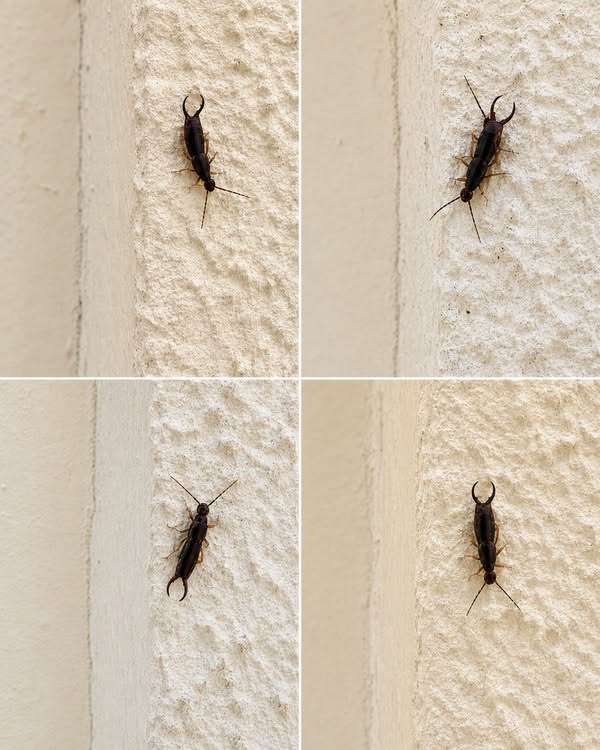
Have you ever noticed a tiny insect crawling across the floor, hiding near a window, or appearing in a dark corner of your home and immediately wondered where it came from?
You’re certainly not alone.
Small insects can occasionally find their way indoors, especially when the weather changes. A single insect doesn’t necessarily mean your home has a serious problem, but it can be a useful reminder to take a closer look at your surroundings.
Instead of immediately reaching for a spray or assuming the worst, it’s worth taking a few moments to identify what you’ve found and understand why it might have entered your home.
After all, insects are often responding to something in their environment.
They may be looking for food, moisture, warmth, shelter, or simply an easy route indoors.
Why Do Insects Enter Homes?
Most insects don’t enter houses because they are specifically attracted to the people living there.
They’re usually following basic survival instincts.
During warmer months, insects may enter through open windows and doors while searching for food or shelter. As temperatures drop, some species may seek warmer places where they can survive unfavorable outdoor conditions.
Other insects are attracted to moisture.
This is why you may notice certain small bugs around bathrooms, kitchens, laundry areas, basements, or other places where humidity tends to be higher.
Food can also be a factor.
Crumbs, uncovered food, overflowing trash cans, pet food, and improperly stored pantry items can attract certain insects.
Even outdoor lighting can play a role because some flying insects are naturally attracted to light sources.
So when you see an unexpected visitor inside your home, the first question should not necessarily be, “How do I get rid of it?”
A better question is:
“What might have attracted it here?”
One Insect Doesn’t Always Mean an Infestation
This is an important distinction.
Finding one insect in your home does not automatically mean you have an infestation.
A bug may have entered accidentally through a door, window, ventilation opening, crack, or another small gap.
It might even have been carried inside on clothing, groceries, plants, firewood, boxes, or other objects.
However, repeatedly seeing the same type of insect can be a reason to investigate further.
Pay attention to patterns.
Are you seeing them every day?
Are they appearing in the same room?
Do you notice them near a particular source of moisture?
Are they concentrated around food-storage areas?
Have you discovered small insects in cupboards, drawers, or other hidden spaces?
These details can help you understand whether you’re dealing with an occasional visitor or a recurring household issue.
Check Your Windows and Doors
One of the easiest places to begin is around entrances.
Inspect window screens for tears or gaps.
Look around exterior doors.
Check whether there are noticeable spaces underneath doors.
Look at areas where pipes, cables, or other utilities enter the building.
You don’t need to turn your home upside down.
A simple visual inspection can sometimes reveal an obvious entry point.
Weather stripping and properly fitted screens can help reduce the number of insects that enter from outside.
Keeping doors closed when they’re not being used can also make a difference.
Look for Moisture
If you’re noticing insects around a bathroom, kitchen, basement, or laundry area, moisture may be worth investigating.
Check underneath sinks.
Look around faucets and plumbing connections.
Pay attention to damp corners.
Inspect areas where condensation frequently forms.
If you have a leak, repairing it can be useful for reasons that go beyond insects.
Excess moisture can contribute to unpleasant odors, material damage, and other household problems.
Keeping indoor areas reasonably dry and well ventilated can make the environment less attractive to moisture-loving pests.
Keep Food Properly Stored
Another simple step is to review how food is stored.
Keep pantry items in suitable sealed containers when appropriate.
Clean up crumbs and spills promptly.
Don’t leave uncovered food sitting out unnecessarily.
Empty household trash regularly, particularly if it contains food waste.
Pet food can also attract insects, so avoid leaving bowls filled for extended periods if that is causing a recurring problem.
These habits aren’t about creating a perfectly insect-free environment.
They’re simply sensible ways to reduce potential food sources.
Don’t Forget About Houseplants
Indoor plants can occasionally introduce or attract insects.
Potting soil contains organic material and can provide a suitable environment for certain tiny organisms.
Overwatering can also create persistently damp conditions.
If insects repeatedly appear around your plants, inspect the leaves, stems, soil, and nearby surfaces.
Avoid automatically treating every plant with chemicals.
First identify what you’re dealing with and determine whether treatment is actually necessary.
In some situations, changing watering habits, improving drainage, removing affected plant material, or isolating a plant may help.
Identification Is the Most Important Step
If you want to know what an insect in your home actually means, identification should come before action.
Different insects behave differently.
A harmless outdoor visitor requires a different response from an insect that damages stored food or household materials.
Look carefully at its size, color, body shape, number of legs, wings, antennae, and location.
A clear photograph can also make identification easier.
Try to photograph the insect from above and from the side if possible.
Don’t rely solely on a social-media post or a dramatic headline.
Misidentification is surprisingly common.
Two insects can look similar while having completely different behaviors.
Be Careful With Household Pesticides
When people see an unfamiliar insect, their first reaction may be to spray it immediately.
But using pesticides without knowing what you’re dealing with isn’t always the best approach.
Read product labels carefully.
Follow the manufacturer’s directions.
Keep treatments away from children and pets as instructed.
Don’t mix household chemicals unless the product specifically says they can be combined.
And never use a product in a way that isn’t listed on its label.
For persistent or extensive pest problems, a qualified pest-management professional may be able to identify the species and recommend appropriate control measures.
When Should You Investigate Further?
Repeated sightings deserve more attention than a single accidental visitor.
You may want to investigate if:
-
You repeatedly find insects in several rooms.
-
You notice insects around stored food.
-
You discover signs of damage to wood, fabrics, paper, or other household materials.
-
You find insects near persistent moisture.
-
You see large numbers of insects at the same time.
-
You repeatedly notice insects emerging from a particular area.
-
You aren’t sure whether the insect could pose a health or structural concern.
The important thing is not to panic.
Most household insect sightings can be approached calmly and methodically.
A Clean Home Can Still Have Insects
It’s also worth remembering that insects aren’t necessarily a reflection of cleanliness.
Even a carefully maintained home can have an occasional insect.
Homes have doors, windows, ventilation systems, plumbing openings, walls, roofs, gardens, and countless tiny pathways connecting indoor spaces to the outdoors.
Insects are small enough to take advantage of many of them.
So don’t feel embarrassed if you discover a bug in your kitchen or bathroom.
The useful response is to identify it and determine why it may be there.
Seasonal Changes Can Increase Sightings
You may also notice more insects at particular times of year.
Spring can bring increased insect activity as outdoor temperatures rise.
Summer provides abundant food and favorable conditions for many species.
During autumn, some insects may seek shelter as temperatures begin to fall.
Even winter can bring occasional indoor sightings, particularly in heated buildings.
The timing of an appearance can therefore provide another clue.
If an insect suddenly appears shortly after a major weather change, it may simply be responding to those environmental conditions.
Don’t Ignore the Outdoors
Sometimes the source isn’t inside the house at all.
Take a look around the exterior.
Overgrown vegetation touching walls can provide pathways or shelter for insects.
Standing water can attract certain species.
Outdoor lights can draw flying insects closer to buildings.
Stacks of damp organic material, leaves, or other debris may also provide suitable habitat for various insects.
Maintaining the area immediately around your home can reduce some potential sources.
Again, this doesn’t mean your yard needs to be perfectly sterile.
It’s simply about reducing conditions that may encourage unwanted indoor visitors.
What Should You Do If You See One?
The next time you spot an unfamiliar insect, take a breath.
Don’t assume the worst.
If possible, safely capture a photograph rather than immediately destroying it.
Make a note of where you found it.
Check nearby areas for food, moisture, plants, cracks, or other potential sources.
Look for additional insects or signs that would indicate a recurring issue.
Then try to identify the species using a reliable reference or professional assistance if necessary.
Once you know what you’re dealing with, you can choose an appropriate response.
Sometimes that response may simply be removing the insect and sealing an entry point.
Other times, you may need to address moisture, food storage, plant care, or another environmental factor.
And occasionally, professional pest control may be appropriate.
The Bigger Lesson
A mysterious insect crawling across your floor can certainly grab your attention.
But seeing one doesn’t automatically mean something is seriously wrong with your home.
Instead, treat it as information.
The insect may be telling you something about the environment around your house.
Perhaps there’s a gap near a window.
Maybe a damp area needs attention.
Perhaps food has been left uncovered.
Or maybe the insect simply wandered indoors by accident.
The key is to avoid dramatic assumptions and focus on observable evidence.
Identify first. Investigate second. Act appropriately third.
That approach is safer, more practical, and more useful than reacting to a frightening headline.
So the next time you see an unfamiliar little visitor in your home, don’t immediately panic.
Take a closer look.
You may discover that the explanation is far more ordinary than you expected—and that a few simple household habits are all that’s needed to reduce future sightings.
Sometimes, the smallest clues around your home can tell you the most about what’s happening in your environment.