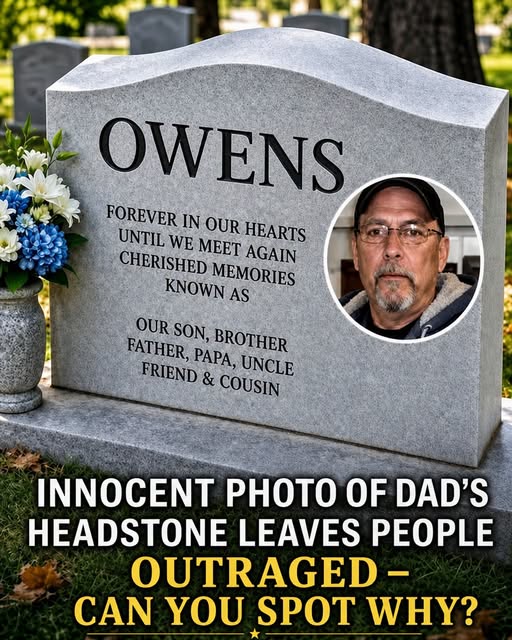
When a Headstone Becomes a Personal Message: How People Choose to Be Remembered
Cemeteries are often associated with quiet reflection.
Rows of graves, carefully maintained gardens, flowers placed beside headstones, photographs, and traditional inscriptions create an atmosphere where people can pause and remember those who have passed away.
Visitors usually speak softly. Families may spend time sitting beside a grave, placing flowers, or simply reflecting on memories.
Even people who never knew the deceased often recognize the importance of the setting. A cemetery is a place where families preserve memories and honor people who once played important roles in their lives.
For generations, headstones have followed familiar patterns.
A person’s name, date of birth, date of death, and perhaps a short phrase are commonly engraved into stone. Religious passages, family names, or simple expressions of remembrance may also appear.
But not every family chooses a traditional memorial.
Some people want a headstone to communicate something more personal about the individual being remembered. It might reflect a sense of humor, a favorite saying, an important accomplishment, a hobby, or a personality trait.
In those cases, a headstone becomes more than a marker.
It becomes part of the person’s story.
The Meaning Behind a Memorial
A memorial serves a practical purpose by identifying someone’s final resting place, but its emotional purpose can be much greater.
For families, a headstone may become a permanent reminder of a person they loved.
The words engraved into it can capture a small part of a much larger life.
A few lines of text cannot describe everything about someone. They cannot fully represent decades of memories, relationships, achievements, challenges, and ordinary moments.
Still, families often try to choose words that feel appropriate.
Sometimes those words are serious and traditional.
Other times, they are personal and unexpected.
The choice can depend on the personality of the person who died, the wishes they expressed during their lifetime, or the preferences of their family.
Individuality Doesn’t Always End With Tradition
Modern memorials can take many forms.
Some families choose simple stones with minimal information. Others include photographs, artwork, symbols, or quotations.
A memorial might reference a person’s profession, favorite activity, sense of humor, or a phrase they frequently used.
These choices can make a grave feel more connected to the individual rather than simply identifying them by name and dates.
For some families, that personal connection is important.
They want visitors to understand that the person represented by the stone was more than a name and a set of dates.
They were a complete individual.
They had preferences, relationships, habits, stories, and a personality that made them unique.
When a Memorial Gets Attention
A particularly unusual headstone can sometimes attract attention from people outside the family.
Visitors may notice an unexpected inscription or design and wonder about the story behind it.
That attention can be positive. A unique memorial may encourage people to smile, reflect, or become curious about the person being remembered.
But public attention can also create complicated feelings.
A memorial is ultimately personal property and, more importantly, part of someone’s grieving process. What seems unusual to a stranger may have deep emotional significance to the family.
Something that looks surprising from the outside may make perfect sense when the person’s life and personality are understood.
This is why it can be useful to approach unusual memorials with respect rather than immediately judging them.
The Different Ways People Remember
There is no single correct way to remember someone.
One family may prefer a traditional religious inscription.
Another may choose a photograph.
Someone else may want a simple stone with only a name and dates.
Another person might have wanted their memorial to include something humorous or unconventional.
All of these choices can reflect different relationships with memory and grief.
People also come from different cultural, religious, and family traditions. Practices surrounding cemeteries and memorials can vary significantly from one community t