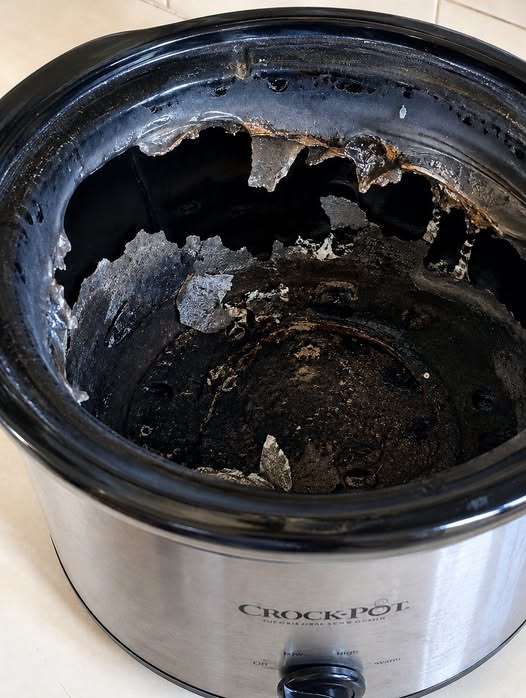
11 Foods You Should Think Twice About Putting in a Slow Cooker
Slow cookers are among the most convenient appliances in the kitchen.
Add the ingredients, choose the appropriate setting, and several hours later you can have a warm meal ready to serve. From soups and stews to beans, roasts, and vegetable dishes, slow cookers can make everyday cooking considerably easier.
But slow cooking isn’t ideal for every ingredient.
Some foods don’t develop their best texture when cooked for many hours. Others can become mushy, separate, lose their flavor, or require special preparation before they are added to the cooker.
There are also food-safety considerations to keep in mind, particularly when working with frozen meat or ingredients that need to reach a safe internal temperature.
So rather than thinking of these foods as completely forbidden, it’s more useful to understand which ingredients require extra care when used in a slow cooker.
Here are 11 foods that deserve special attention.
1. Frozen Meat
Frozen meat is one of the ingredients that requires the most caution.
A slow cooker heats food gradually, and a large frozen piece of meat can take considerable time to warm through.
That means the food may spend longer than desired in temperatures where bacteria can multiply.
For this reason, food-safety guidance generally recommends thawing meat in the refrigerator before placing it into a slow cooker.
This is particularly important for poultry and large pieces of meat.
If you’re preparing chicken thighs, chicken breasts, beef, pork, or another meat for a slow-cooker recipe, planning ahead and thawing it properly can make the cooking process more predictable.
A food thermometer can also help confirm that the finished meat has reached a safe internal temperature.
2. Delicate Seafood
Fish and delicate seafood generally don’t need the long cooking times associated with traditional slow-cooker recipes.
If fish is cooked for several hours, its texture can become soft and fragile.
Instead of producing a nicely cooked fillet, prolonged cooking may cause the fish to break apart and become difficult to serve.
Some seafood recipes are specifically designed for slow cookers, but seafood is often better added toward the end of the cooking process.
Shrimp, for example, generally cooks much faster than a large piece of beef or a pot of beans.
Following a recipe designed specifically for the seafood you’re using is the safest way to get the desired texture.
3. Fresh Dairy Products
Milk, cream, sour cream, and other dairy ingredients can behave differently during long, slow cooking.
Extended exposure to heat can cause some dairy products to separate or curdle.
That doesn’t mean dairy can never be used in a slow cooker.
Many successful recipes contain dairy.
The difference is usually when and how it is added.
Cream-based ingredients are often incorporated near the end of cooking rather than being left in the slow cooker for many hours.
This can help preserve a smoother texture and prevent unwanted separation.
If a recipe specifically calls for dairy from the beginning, follow the recipe’s instructions rather than assuming all dairy products need to be added at the same stage.
4. Certain Fresh Herbs
Fresh herbs can be wonderful in slow-cooked food, but delicate herbs don’t always benefit from being cooked for hours.
Parsley, basil, cilantro, and similar herbs can lose some of their fresh aroma during prolonged cooking.
Instead, many cooks add delicate herbs near the end or use them as a garnish just before serving.
Heartier herbs such as rosemary, thyme, and bay leaves can generally withstand longer cooking times.
The distinction is useful because slow cooking isn’t simply about whether an ingredient can survive heat.
It’s also about preserving the flavor you actually want.
5. Pasta
Pasta can be tricky in a slow cooker.
If you add traditional pasta too early, it may absorb a large amount of liquid and become soft or overly tender.
The longer it remains in the cooking liquid, the more noticeable this effect can become.
That’s why many slow-cooker recipes recommend adding pasta near the end.
There are exceptions.
Some slow-cooker recipes are specifically designed around pasta and carefully balance the amount of liquid and cooking time.
If you’re adapting a conventional stovetop recipe, however, it’s usually better not to assume that pasta can simply be added at the beginning.
6. Rice
Rice can present a similar challenge.
Different varieties of rice require different amounts of water and cooking time.
When rice is cooked for too long, it can become soft or absorb more liquid than intended.
Some rice varieties work very well in slow-cooker dishes when the recipe is specifically designed for them.
Others may be better cooked separately and combined with the finished meal.
If a slow-cooker recipe calls for rice, use the type specified by the recipe and follow its liquid and timing instructions carefully.
7. Tender Vegetables
Not every vegetable benefits from several hours of cooking.
Vegetables such as zucchini, peas, spinach, and other delicate produce can become very soft if they’re added at the beginning of a long cooking process.
That’s not necessarily unsafe, but the final texture may not be what you want.
If you prefer vegetables to retain some firmness, consider adding delicate varieties later.
Root vegetables such as carrots and potatoes generally hold up much better during long cooking.
The key is matching the ingredient to the cooking time.
8. Large Quantities of Leafy Greens
Leafy greens can be used in slow-cooker meals, but they can change significantly during prolonged cooking.
Spinach, for example, cooks very quickly.
Adding a large amount at the beginning may result in greens that are much softer and darker than expected.
Many recipes work better when leafy greens are stirred in toward the end.
Kale and other sturdier greens can withstand longer cooking than spinach, but even these can become very tender over time.
Again, timing is often more important than avoiding the ingredient altogether.
9. Alcohol Without Enough Cooking Time
Some recipes use wine, beer, or other alcoholic ingredients for flavor.
However, simply pouring alcohol into a slow cooker and assuming it will behave exactly like it does in a rapidly simmering pan can produce unexpected results.
Because slow cookers operate at relatively low temperatures, alcohol may not evaporate as quickly as it would during conventional cooking.
This can leave a stronger alcohol flavor than intended.
If a recipe calls for wine or another alcoholic ingredient, follow the specific instructions.
In some cases, briefly cooking the ingredient separately before adding it can help develop the desired flavor.
10. Large Amounts of Thickening Agents
Ingredients used to thicken sauces and stews require some care.
Flour, cornstarch, and similar products can clump if added incorrectly.
Rather than adding dry thickener directly to a slow cooker full of liquid, many recipes recommend creating a slurry or adding the thickening mixture toward the end.
This allows the sauce to reach the desired consistency without producing lumps.
Slow cookers are excellent for developing flavor over time, but thickening is often something best handled near the end of the cooking process.
11. Ingredients That Need Browning for Flavor
Some foods aren’t unsafe to put directly into a slow cooker, but they may taste better if prepared first.
Meat is a good example.
A slow cooker can cook meat until tender, but it doesn’t necessarily create the same browned exterior associated with searing meat in a hot pan.
Browning meat first can add additional flavor and color.
The same idea applies to certain vegetables and aromatics.
Onions, for example, can develop a deeper flavor when sautéed before being added to a recipe.
This step isn’t mandatory for every slow-cooker meal.
It’s simply an option when you want more complexity in the finished dish.
Why Timing Matters So Much
One of the biggest misconceptions about slow cooking is that every ingredient should be added at the same time.
That’s rarely necessary.
Different foods cook at different speeds.
A large piece of beef may require several hours.
A delicate piece of fish may need only a fraction of that time.
Pasta can become soft.
Fresh herbs can lose their aroma.
Dairy can change texture.
Vegetables can go from pleasantly tender to extremely soft.
Understanding these differences is the key to making better slow-cooker meals.
Don’t Overfill the Slow Cooker
Ingredient selection isn’t the only consideration.
How much food you put into the appliance matters too.
Slow cookers generally work best when filled within the manufacturer’s recommended range.
An overloaded cooker can affect how efficiently food heats and cooks.
On the other hand, using a very small amount of food in a large slow cooker may also affect the cooking process.
Check the instructions for your specific appliance and follow the recipe’s recommended quantities whenever possible.
Keep the Lid Closed
It can be tempting to repeatedly lift the lid to check on dinner.
However, removing the lid allows heat to escape and can increase the cooking time.
Unless the recipe specifically requires stirring or adding an ingredient, it’s generally better to leave the lid closed.
Slow cooking is designed to be relatively hands-off.
Let the appliance do its job.
Use the Right Amount of Liquid
Slow cookers don’t work exactly like uncovered pots on the stove.
Because the lid traps moisture, relatively little liquid may evaporate during cooking.
Adding too much liquid can therefore result in a thinner sauce or overly watery meal.
At the same time, ingredients still need enough moisture when the recipe calls for it.
The correct amount depends on the ingredients and the recipe.
Rather than automatically adding extra water or broth, follow the recipe’s proportions.
Don’t Use the Slow Cooker as a Food Warmer for Too Long
A slow cooker can keep food warm after cooking, but that doesn’t mean food should remain there indefinitely.
Once a meal is fully cooked, follow appropriate food-safety guidance for holding, serving, cooling, and storing leftovers.
If you’re saving leftovers, transfer them to suitable containers and refrigerate them promptly rather than leaving a large pot sitting out for an extended period.
Proper storage is just as important as proper cooking.
A Food Thermometer Is a Useful Tool
When cooking meat or poultry, a food thermometer is one of the simplest ways to check whether the food has reached a safe temperature.
Appearance alone isn’t always reliable.
Chicken, for example, should reach a safe internal temperature of 165°F (74°C) according to widely used food-safety guidance.
Other meats have different recommended temperatures depending on the type and preparation.
Check the thickest part of the food and avoid touching bone when taking the measurement.
The Best Way to Think About “Never”
The title “foods you should never put in a slow cooker” sounds definitive, but cooking is rarely that simple.
Some ingredients on this list can absolutely be used in slow-cooker recipes.
The important issue is often how and when they’re added.
Fish may work when cooked for a short period.
Dairy may work when incorporated near the end.
Pasta can work when the recipe is designed around it.
Rice can work with the appropriate liquid and timing.
Fresh herbs can provide excellent flavor when added at the right stage.
The real lesson is to understand how each ingredient responds to long, moist, low-temperature cooking.
A Simple Slow-Cooker Strategy
For reliable results, think about your ingredients in groups.
Long-cooking ingredients:
Large cuts of meat, beans prepared according to safe cooking instructions, root vegetables, and hearty ingredients can often go in earlier.
Medium-cooking ingredients:
Some vegetables and other ingredients can be added after the initial cooking period.
Quick-cooking ingredients:
Fish, seafood, delicate vegetables, fresh herbs, pasta, and certain dairy ingredients may be better added closer to the end.
This simple approach can make recipes easier to manage.
Final Thoughts
Slow cookers are incredibly useful, but they aren’t designed to treat every ingredient in exactly the same way.
Frozen meat requires particular attention because of food-safety considerations.
Fish and delicate vegetables can become too soft if cooked for many hours.
Pasta and rice can absorb excess liquid.
Dairy products may separate.
Fresh herbs can lose some of their aroma.
And certain ingredients may simply taste better when browned or prepared separately before joining the slow-cooked meal.
The good news is that you don’t have to avoid all of these foods.
In many cases, the solution is simply to change the timing or preparation method.
Once you understand how different ingredients respond to slow cooking, the appliance becomes much easier to use.
Instead of putting everything into the pot at once, think about what each ingredient needs—and when it needs it.
That small adjustment can make the difference between a slow-cooker meal that’s merely convenient and one that’s genuinely delicious.