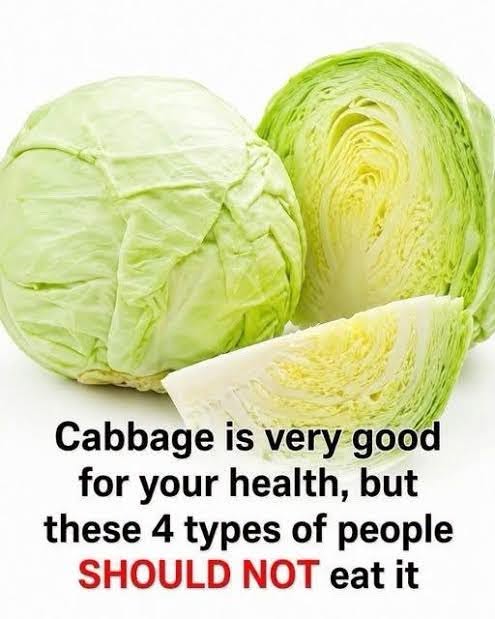
Cabbage is one of those vegetables that has been part of traditional cooking for generations. It is affordable, versatile, easy to store, and available in several varieties, including green, red, Napa, and Savoy cabbage.
It also provides useful nutrients, including dietary fiber, vitamin C, vitamin K, folate, and other plant compounds.
For many people, cabbage can be a healthy addition to a balanced diet.
However, that doesn’t mean everyone will feel comfortable eating large quantities of it.
Some people may experience bloating, gas, or digestive discomfort after eating a substantial serving, particularly if they are not accustomed to eating many high-fiber vegetables. Individual tolerance also varies depending on preparation, portion size, overall diet, and personal health circumstances.
That doesn’t make cabbage an unhealthy food.
Instead, it is a reminder that nutritious foods can affect different people differently.
Why Is Cabbage Considered Nutritious?
Cabbage is relatively low in calories while providing several important nutrients.
It contains vitamin C, which contributes to normal immune function and helps protect cells from oxidative stress. It also provides vitamin K, which is involved in normal blood clotting and the maintenance of bones.
Cabbage contains dietary fiber as well.
Fiber is important for normal digestive function and can contribute to feelings of fullness. Eating a variety of fiber-rich foods is generally part of a balanced eating pattern.
Cabbage also contains naturally occurring plant compounds that are being studied for their potential role in human health.
However, eating more cabbage isn’t automatically better.
The nutritional value of a diet comes from variety rather than relying heavily on one vegetable.
Why Can Cabbage Cause Gas or Bloating?
One reason some people experience discomfort after eating cabbage is its carbohydrate and fiber content.
Certain carbohydrates found in cruciferous vegetables can be fermented by bacteria in the large intestine. During this process, gas can be produced.
For some people, this may result in temporary bloating, increased gas, or abdominal discomfort.
The amount of discomfort can depend on the person and the quantity eaten.
Someone who regularly eats vegetables may have a different experience from someone who suddenly starts eating very large portions.
This is one reason gradual dietary changes can be helpful.
Eating a Large Amount at Once May Be Uncomfortable
Even nutritious food can become uncomfortable when eaten in excessive quantities.
If you rarely eat cabbage and suddenly consume a very large portion, your digestive system may have difficulty adjusting to the increased amount of fiber and fermentable carbohydrates.
A more practical approach is to start with a moderate serving and see how your body responds.
You can then gradually increase the amount if you tolerate it comfortably.
This principle applies to many high-fiber foods, not just cabbage.
Beans, lentils, certain fruits, whole grains, and other vegetables can also cause temporary digestive symptoms when fiber intake increases suddenly.
Raw and Cooked Cabbage Can Feel Different
The way cabbage is prepared can influence how it feels to eat and digest.
Raw cabbage is crisp and contains its natural structure and fiber. Cooked cabbage becomes softer and may be easier for some people to tolerate.
Steaming, sautéing, roasting, or adding cabbage to soups are all common preparation methods.
Cooking doesn’t make cabbage universally easier for everyone, but some people may find cooked vegetables more comfortable than large servings of raw vegetables.
If raw cabbage tends to cause discomfort, trying a smaller cooked portion may be worth considering.
People With Sensitive Digestion May Need to Pay Attention to Portions
Individuals who frequently experience bloating or digestive discomfort may notice that certain foods trigger symptoms.
Cabbage can be one of those foods for some people.
This doesn’t necessarily mean that cabbage must be permanently eliminated.
Instead, keeping track of portion sizes and preparation methods can help identify patterns.
For example, someone might tolerate a small serving of cooked cabbage but experience discomfort after eating a large raw cabbage salad.
If digestive symptoms are persistent, severe, or interfering with everyday life, it is better to discuss them with a healthcare professional rather than simply removing numerous foods from the diet.
What About People Following a Low-FODMAP Diet?
Some people with certain digestive symptoms may temporarily follow a low-FODMAP dietary approach under professional guidance.
FODMAPs are a group of fermentable carbohydrates that can cause digestive symptoms in some individuals.
Cabbage varieties and serving sizes can differ in their FODMAP content, so the amount consumed can matter.
A low-FODMAP diet is not intended to mean avoiding every potentially fermentable food forever. It is often used as a structured approach to identify individual food triggers.
If you believe your symptoms may be related to FODMAPs, working with a registered dietitian or qualified healthcare professional can help you avoid unnecessarily restrictive eating.
What About Thyroid Health?
You may occasionally see claims online suggesting that people should completely avoid cabbage because it contains compounds sometimes described as “goitrogenic.”
This topic is more complicated than many social-media posts suggest.
Cruciferous vegetables, including cabbage, contain naturally occurring compounds that can influence thyroid-related processes under certain circumstances, particularly at very high intakes.
However, this does not mean that cabbage is automatically harmful to people with normal thyroid function or that everyone with a thyroid condition must avoid it.
Individual circumstances matter, including overall nutrition and iodine status.
If you have a diagnosed thyroid condition and have concerns about your diet, discuss them with your doctor or registered dietitian rather than relying on generalized internet advice.
What About Blood-Thinning Medication?
Cabbage contains vitamin K.
Vitamin K plays an important role in normal blood clotting.
For people taking certain anticoagulant medications, particularly warfarin, sudden major changes in vitamin K intake can affect medication management.
This does not necessarily mean cabbage must be avoided.
Instead, people taking medications affected by vitamin K are often advised to maintain a consistent dietary intake and follow their healthcare professional’s guidance.
If you’re taking an anticoagulant, don’t make major changes to your diet without discussing them with your healthcare team.
Cabbage Is Not a Miracle Food
Cabbage is nutritious, but online articles sometimes go too far by describing it as a cure-all.
Claims that cabbage can “detox” the body, cure serious illnesses, or replace medical treatment are not appropriate ways to describe a vegetable.
Your body already has organs and systems responsible for processing and eliminating waste.
Cabbage can be part of a nutritious diet, but it isn’t a substitute for medical treatment.
The same principle applies to other so-called “superfoods.”
No single vegetable needs to carry the entire responsibility for your health.
How Much Cabbage Should You Eat?
There isn’t one universal amount that every person should eat.
A reasonable portion depends on your overall diet, calorie and nutrient requirements, digestive tolerance, and personal circumstances.
Instead of focusing on a specific number of servings, think about variety.
You can rotate cabbage with other vegetables such as carrots, spinach, broccoli, peppers, tomatoes, green beans, squash, and leafy greens.
This approach gives you access to a wider range of nutrients and flavors.
If you enjoy cabbage and tolerate it well, there is no obvious reason to avoid it simply because an online post warns about eating “too much.”
At the same time, there is no need to force yourself to eat large quantities.
Simple Ways to Include Cabbage in Your Diet
Cabbage is extremely versatile.
You can add shredded cabbage to salads, use it in soups, stir-fry it with other vegetables, roast it in the oven, or ferment it into foods such as sauerkraut.
When preparing cabbage, consider the rest of the meal as well.
Adding lean protein, whole grains, beans, or other vegetables can create a more balanced dish.
If you experience digestive discomfort from large portions, experiment with smaller servings and different cooking methods.
When Should You Talk to a Healthcare Professional?
Occasional mild gas or bloating after eating a high-fiber food is not necessarily a sign of a serious problem.
However, persistent or significant digestive symptoms deserve attention.
Speak with a healthcare professional if you regularly experience unexplained abdominal pain, persistent changes in bowel habits, unexplained weight loss, blood in the stool, ongoing vomiting, or other concerning symptoms.
These symptoms can have many possible causes, and eliminating cabbage alone may not address the underlying issue.
Similarly, if you take medication that requires dietary consistency or have a medical condition affecting your diet, ask your healthcare provider about appropriate food choices.
The Bigger Picture of Healthy Eating
The healthiest diet isn’t necessarily the one containing the largest quantity of any particular food.
Instead, it is usually a varied eating pattern that provides the nutrients your body needs while fitting your preferences, lifestyle, culture, and individual circumstances.
Cabbage can easily fit into that picture.
It is inexpensive, versatile, and nutrient-rich, making it a practical vegetable for many households.
But you don’t need to eat enormous portions to benefit from it.
Final Thoughts
Cabbage deserves its reputation as a nutritious vegetable, but nutrition is rarely as simple as saying that a food is either “good” or “bad.”
For many people, cabbage can provide useful nutrients and dietary fiber as part of a varied diet.
For others, especially those who are sensitive to certain fermentable carbohydrates or who suddenly increase their fiber intake, large portions may cause temporary digestive discomfort.
People taking certain medications or managing specific medical conditions may also have individual dietary considerations.
The best approach is not to fear cabbage or treat it as a miracle ingredient.
Enjoy it in reasonable portions, vary the vegetables you eat, pay attention to how your body responds, and seek professional advice when you have persistent symptoms or specific medical concerns.
A healthy diet is built from many foods working together—not from one ingredient eaten in extreme amounts.