Spending time outdoors is a great way to enjoy warm weather, whether you’re gardening, hiking, or relaxing in your backyard. Along with these activities comes the chance of encountering a variety of insects. While most are harmless, some can bite if they feel threatened or are accidentally handled.
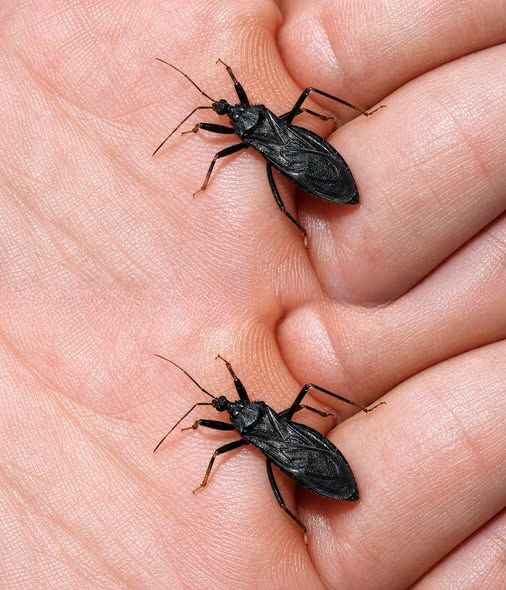
One insect that occasionally raises questions is the assassin bug. Although many species play a beneficial role by feeding on other insects, some can deliver a painful bite when disturbed.
Knowing how to respond calmly and appropriately can help you manage the situation.
What Is an Assassin Bug?
Assassin bugs belong to a large group of insects found in many parts of the world. They are recognized by their elongated bodies, narrow heads, and piercing mouthparts, which they use to feed on other insects.
Because they prey on common garden pests, many species are considered beneficial to the environment.
However, if an assassin bug feels trapped or threatened, it may bite in self-defense.
What Does the Bite Feel Like?
People often describe an assassin bug bite as unexpectedly painful.
Depending on the individual and the species involved, symptoms may include:
- Sudden sharp pain.
- Redness around the bite area.
- Mild swelling.
- Localized tenderness.
- Temporary itching during healing.
Reactions vary from person to person, and many bites improve with basic care.
Immediate Steps to Take
If you believe you’ve been bitten by an assassin bug, consider these general first-aid measures:
- Wash the affected area gently with soap and clean water.
- Apply a cool compress to help reduce discomfort and swelling.
- Avoid scratching the bite, which may irritate the skin.
- Monitor the area over the next several days for any changes.
These simple steps are commonly recommended for many minor insect bites.
When to Seek Medical Advice
Although many insect bites can be managed at home, it’s important to seek medical attention if you experience:
- Difficulty breathing.
- Swelling of the face, lips, or throat.
- Signs of a severe allergic reaction.
- Increasing redness, warmth, or swelling that continues to worsen.
- Fever or other symptoms that concern you.
If you’re uncertain about your symptoms or the type of insect involved, contacting a healthcare professional is the safest course of action.
Preventing Insect Bites
While it’s impossible to eliminate every encounter with insects, a few precautions can reduce your chances of being bitten:
- Wear long sleeves and long pants when walking through dense vegetation.
- Use insect repellent according to the product’s instructions when appropriate.
- Shake out gardening gloves and shoes that have been left outdoors.
- Avoid handling unfamiliar insects.
- Keep outdoor areas free of unnecessary clutter where insects may hide.
Awareness is one of the most effective forms of prevention.
Helpful Role in Nature
Although people often focus on their painful bite, assassin bugs are also valuable predators.
Many species feed on insects that damage gardens and crops, helping maintain ecological balance without the use of chemical pesticides.
For this reason, they are generally best left undisturbed when encountered outdoors.
Frequently Asked Questions
Are assassin bugs aggressive?
Most species are not aggressive toward people and typically bite only when handled, trapped, or accidentally pressed against the skin.
Can I identify an assassin bug easily?
Identification can be difficult because many species exist, and some resemble other insects. If you’re unsure, avoid handling the insect and observe it from a safe distance.
Should every bite be examined by a doctor?
Many bites improve with routine care, but medical advice is recommended if symptoms are severe, unusual, or continue to worsen.
Final Thoughts
Encountering an assassin bug may sound alarming, but these insects generally prefer to avoid human contact and play an important role in controlling other insect populations. If a bite does occur, remaining calm and providing basic first aid is often an appropriate first step.
Pay attention to how your body responds, and don’t hesitate to seek medical guidance if you experience severe symptoms or have concerns about the bite.
By understanding the habits of local insects and taking simple precautions outdoors, you can reduce the likelihood of unexpected encounters while continuing to enjoy time outside safely.