From 700-Plus Pounds to a More Independent Life: Cillas Givens’ Remarkable Health Journey
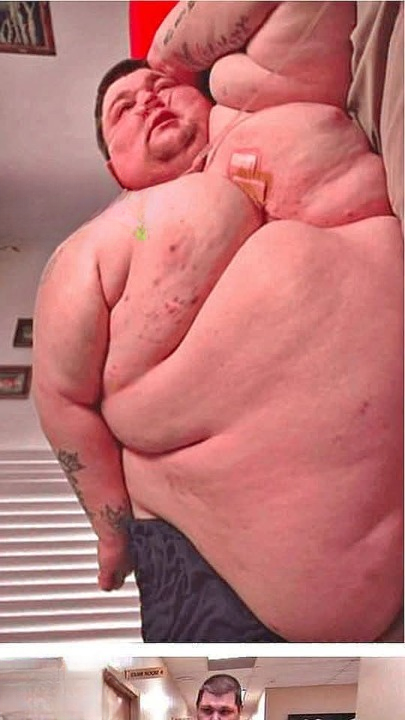
At only 35 years old, Cillas Givens was facing a serious health crisis. His weight had risen to more than 700 pounds, his mobility was extremely limited, and he had spent more than two years largely confined to bed.
Routine activities that most people perform without thinking had become major challenges. Standing, walking, bathing, and leaving home often required assistance. His partner, Jessica, helped care for him while they raised their daughters and tried to keep their household functioning.
The physical limitations were difficult, but the emotional effects were equally significant. Cillas wanted to participate more fully in family life. He wanted to spend time outside with the children, support Jessica, return to work, and move through the world without depending on someone else for nearly every task.
His situation was not the result of one meal, one decision, or a simple absence of discipline. Severe obesity is a complicated, long-term health condition that can involve biological, psychological, social, environmental, and behavioral influences.
For Cillas, meaningful progress would require much more than a short diet or a burst of motivation. It would demand medical supervision, changes in daily habits, emotional support, and a long-term commitment to his health.
When Everyday Life Became Increasingly Difficult
Cillas had struggled with his weight for many years, but his situation became particularly serious when he lost most of his mobility.
As his ability to stand and walk declined, he became less independent. Limited movement made it harder to build strength, and reduced strength made movement even more challenging. It was a cycle that could not be safely reversed through determination alone.
Jessica assumed many of the household and caregiving responsibilities. She supported Cillas while also caring for their family, but the arrangement placed considerable pressure on everyone involved.
Cillas could see how much Jessica was doing. He appreciated her support, yet he also struggled emotionally with needing so much assistance.
He wanted to be an active partner and parent. Instead, he spent much of his time watching family life unfold from his bed.
The situation affected the children as well. They loved him, but they could not participate in many ordinary activities with him. Trips outside the home required extensive planning, and even simple family outings were often impossible.
This reality eventually became a powerful source of motivation. Cillas did not want his daughters to remember him only as someone who watched from the sidelines. He wanted the opportunity to create new memories with them.
Asking for Professional Help
Cillas eventually participated in the reality television series My 600-lb Life, where his health journey was documented as he sought specialized medical care.
Appearing on television did not create the change by itself. The important step was entering a structured treatment environment where medical professionals could evaluate his condition, supervise his nutrition, and determine what interventions might be appropriate.
The initial assessment made the seriousness of his condition clear. At more than 700 pounds, his health and mobility were at substantial risk. Continuing on the same path could lead to increasingly severe complications.
However, medical treatment also offered hope.
Rather than treating the situation as a personal failure, Cillas needed to begin viewing it as a health problem that required professional care. That meant accepting guidance, following a structured nutrition plan, participating in appropriate movement, and addressing the emotional patterns connected to eating.
The psychological aspect of treatment was especially important. For many people, eating can become connected to stress, trauma, comfort, loneliness, or difficult memories. Changing food intake without understanding those connections may make long-term progress more difficult.
Cillas had to examine why he turned to food, recognize the situations that triggered old behaviors, and develop new methods of coping.
That work was not as visually dramatic as the numbers on a scale, but it was an essential part of his progress.
The First Major Change
During the early stage of medically supervised treatment, Cillas experienced substantial weight loss. Reports about the exact figures vary, but his initial progress was significant enough to improve his ability to move.
This was not simply a cosmetic change.
For someone who had spent years with extremely limited mobility, standing again represented a major milestone. Every movement required strength, balance, confidence, and persistence.
His early attempts were not easy. Progress began with small, carefully supported actions rather than dramatic exercise sessions.
Sitting upright, placing weight on his legs, and taking a few assisted steps were all meaningful accomplishments. What might appear minor to an observer represented a significant change in Cillas’ daily life.
The emotional impact was visible. Standing allowed him to imagine possibilities that had felt unreachable only weeks earlier.
If he could stand, perhaps he could eventually walk across a room. If he could walk across a room, he might later leave the house more easily. Each improvement opened the door to another.
His progress also affected Jessica. After years of watching his independence decline, she could finally see him moving in a healthier direction.
Qualifying for Bariatric Surgery
As Cillas continued following the medical program, he eventually qualified for bariatric surgery.
Weight-loss surgery is sometimes presented as an easy solution, but that description is misleading. It is a medical treatment for certain patients with obesity, and it requires evaluation, preparation, and continuing follow-up.
The procedure does not remove every challenge or automatically change a person’s relationship with food. Patients still need to follow medical and nutritional guidance, attend appointments, monitor their health, and maintain long-term behavioral changes.
The National Institute of Diabetes and Digestive and Kidney Diseases explains that bariatric surgery may help people lose weight and improve health conditions associated with obesity. However, it can also produce immediate or later complications and may require follow-up procedures. The appropriate treatment depends on the individual and should be discussed with qualified medical professionals. NIDDK bariatric-surgery guidance
For Cillas, surgery became one part of a broader treatment process. The work he completed beforehand demonstrated his commitment and reduced enough weight for the medical team to proceed.
After the procedure, he still had to adapt to a new routine. The amount and types of food he could comfortably consume changed, and he needed to remain consistent with follow-up care.
The operation supported his progress, but it did not replace personal effort or medical supervision.
Progress Beyond the Initial Treatment
Cillas continued losing weight following surgery. During his original televised journey, he made a dramatic reduction from his starting weight and regained a meaningful amount of mobility. Later public updates reported that his total loss eventually exceeded 500 pounds, though figures can differ depending on when they were recorded.
The most important change was not the final number.
Cillas was able to leave the bed that had defined his life for years. He could walk, travel outside his home, and participate more actively in his family’s daily routine.
He also returned to work and began assuming responsibilities that once seemed impossible.
Employment gave him more than an income. It restored structure, confidence, and a sense of contribution. Instead of feeling that life was happening around him, he could participate in it.
His role within the family also changed. Jessica no longer had to provide the same level of constant physical assistance, and Cillas could take on more responsibilities as a partner and father.
The transformation was therefore larger than a difference in appearance. It involved mobility, independence, emotional health, relationships, and a renewed sense of purpose.
A New Challenge After Major Weight Loss
Losing several hundred pounds can create new medical concerns, including large amounts of excess skin. This may limit movement, cause irritation, make hygiene more difficult, and affect comfort.
Skin-removal procedures are sometimes considered after substantial weight loss, but they are not merely cosmetic in every case. Depending on the patient, surgery may help improve mobility and reduce certain physical problems.
Like any operation, skin-removal surgery carries risks and requires medical evaluation. Patients may need to reach a stable weight and demonstrate that they can safely undergo another procedure.
For Cillas, addressing excess skin was part of continuing his journey toward greater comfort and function. It represented another stage of care—not a magical final step that made every difficulty disappear.
Long-term follow-up remains important after bariatric surgery. Patients may require monitoring for nutritional deficiencies, changes in weight, digestive issues, mental health concerns, and other medical needs. The American Society for Metabolic and Bariatric Surgery notes that obesity is a long-term disease and that ongoing medical care remains important even after an operation. ASMBS patient guidance
Why His Story Should Not Be Reduced to a “Before and After” Photograph
Physical transformation stories are often presented as two photographs separated by a dramatic number. That format can overlook the most important parts of the experience.
Cillas’ journey involved uncomfortable conversations, medical risk, emotional reflection, setbacks, and repeated daily decisions. It required the support of his family and treatment team, but it also required him to accept responsibility for the steps within his control.
At the same time, his story should not be used to shame other people living with obesity.
Not everyone has access to specialized doctors, appropriate insurance coverage, safe housing, family assistance, nutritious food, or the ability to leave work for treatment. Medical conditions and treatment responses also vary between individuals.
What worked for Cillas may not be the correct or safest plan for someone else.
His experience is better understood as an example of what can become possible when a person receives professional treatment, commits to long-term change, and has access to meaningful support.
The Role of Family Support
Jessica’s role in the story was significant. She remained present during some of the most challenging years of Cillas’ life and supported him while caring for their family.
However, healthy support does not mean one person should be solely responsible for another adult’s recovery.
As Cillas regained his independence, the balance within their household could begin to change. He was able to participate more actively rather than relying on Jessica for nearly every physical need.
That shift likely mattered to both of them.
A strong support system can offer encouragement, transportation, practical assistance, and emotional reassurance. But lasting progress also depends on the individual participating actively in treatment and developing skills that can continue even when family members are not present.
A Story About Reclaiming Choices
It would be easy to describe Cillas’ transformation as a miracle. A more accurate description is that it was the result of coordinated medical treatment, sustained effort, family support, and repeated choices made over a long period.
There was no single moment that solved everything.
His first medical appointment mattered. So did his early nutritional changes, therapy, assisted movements, surgery, follow-up care, and decision to keep going after the cameras stopped documenting his progress.
The visible weight loss was remarkable, but the deeper achievement was reclaiming his ability to participate in his own life.
He could move with greater independence, contribute at work, spend more active time with his family, and imagine a future that once seemed unavailable to him.
Cillas’ story does not promise that every health journey will follow the same path. It does, however, illustrate why someone facing severe obesity deserves appropriate medical care rather than ridicule.
Compassion and accountability can exist together. A person can acknowledge that change is necessary without being treated as less valuable because of their current condition.
The most meaningful lesson is not that human determination can magically overcome every medical challenge. It is that asking for help can be an act of courage, and gradual progress can create opportunities that once seemed impossible.
For Cillas, the journey was never only about becoming smaller.
It was about becoming present—in his home, in his work, and in the lives of the people he loved.