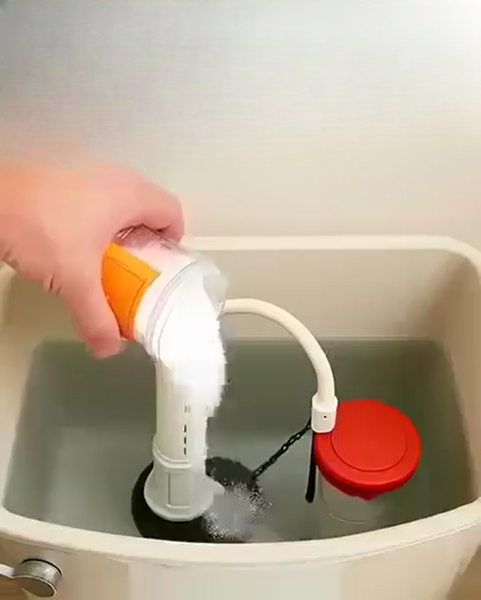
The Simple Baking Soda Toilet Cleaning Trick: How to Keep Your Bathroom Fresher and Reduce Unpleasant Odors Naturally
Keeping a bathroom clean and fresh is an important part of maintaining a comfortable and welcoming home. However, unpleasant toilet odors can sometimes appear even when the bathroom looks perfectly clean. These smells may come from mineral deposits, bacteria, trapped residue, dirty toilet bowls, or areas around the toilet that are often overlooked during regular cleaning.
Many homeowners spend money on expensive bathroom cleaning products in the hope of solving these problems. While commercial cleaners can be useful, there are also simple household ingredients that can help with everyday cleaning tasks. One of the most popular examples is baking soda.
Baking soda, scientifically known as sodium bicarbonate, is an affordable household ingredient commonly used in cooking, baking, and general cleaning. Its mild abrasive properties make it useful for removing certain types of surface residue, while its chemical properties allow it to help neutralize some unpleasant odors.
Although baking soda is not a replacement for proper toilet maintenance, it can be a useful addition to a regular bathroom cleaning routine.
In this guide, we will explore how baking soda can help maintain a fresher toilet, why unpleasant odors develop, how to use baking soda safely, and which cleaning habits can make bathroom maintenance easier. We will also explain why placing cleaning substances directly into the toilet tank is not always recommended and how to clean different parts of your toilet without damaging important components.
Understanding Why Toilets Sometimes Develop Unpleasant Odors
Before looking at possible cleaning solutions, it helps to understand why toilets develop unpleasant smells in the first place.
A toilet is used several times throughout the day, making it one of the most frequently used fixtures in a home. Although flushing removes waste, it does not necessarily remove every trace of residue from the toilet bowl, surrounding surfaces, or hidden areas.
Several factors can contribute to unpleasant bathroom odors.
1. Residue Inside the Toilet Bowl
One common source of unpleasant smells is residue that remains on the inside surface of the toilet bowl.
Even when a toilet appears clean, small amounts of organic material, mineral deposits, and other residue may remain around the waterline or underneath the rim.
Over time, these areas can become difficult to clean if they are ignored.
Regular brushing helps remove visible residue and prevents deposits from accumulating. Using an appropriate toilet cleaner can also make routine maintenance easier.
2. Mineral Deposits From Hard Water
Hard water contains dissolved minerals, particularly calcium and magnesium.
When water repeatedly passes through a toilet, these minerals can gradually leave deposits on the bowl and other surfaces. The deposits may appear as white, gray, yellow, or brown stains.
Although mineral deposits do not always produce an odor themselves, they can create rough surfaces where other types of residue may accumulate.
This is one reason why regular toilet cleaning is important, especially in areas where hard water is common.
3. Dirty Areas Beneath the Toilet Rim
The underside of the toilet rim is one of the easiest areas to overlook.
Water flows through small openings beneath the rim during flushing. These openings can gradually collect mineral deposits and residue.
Because the area is not always visible, it may receive less attention during ordinary cleaning.
Using a toilet brush designed to reach underneath the rim can help remove buildup and improve overall cleanliness.
4. Problems Around the Toilet Base
Sometimes the source of a bathroom odor is not the toilet bowl itself.
The area around the toilet base can collect dust, moisture, cleaning residue, and other debris. If liquids regularly reach this area, unpleasant smells may develop.
A damaged toilet seal can also allow sewer gases to escape.
If a strong sewage-like smell persists around the toilet base, cleaning alone may not solve the problem. A qualified plumber should inspect the toilet and its connection to the drainage system.
5. Bathroom Drainage and Ventilation Issues
Bathroom odors can also originate from drains or problems with the plumbing system.
A drain that is rarely used may develop unpleasant smells if its water trap dries out. Plumbing ventilation problems can also contribute to unusual odors.
Good bathroom ventilation helps reduce moisture and allows ordinary household smells to disappear more quickly.
If unpleasant odors continue despite regular cleaning, it is worth investigating the underlying cause rather than repeatedly applying cleaning products.
What Is Baking Soda and Why Is It Used for Household Cleaning?
Baking soda is a white, powdery substance commonly found in kitchens and household cleaning cupboards.
Its chemical name is sodium bicarbonate, and its formula is NaHCO₃.
It has several properties that make it useful for ordinary household cleaning.
First, baking soda is mildly alkaline. This means it can help neutralize certain acidic substances.
Second, its fine particles provide mild abrasive action. When used with water and gentle brushing, baking soda can help loosen some surface residue without the aggressive action of many abrasive scouring powders.
Third, baking soda is widely used for odor control. It can help reduce certain unpleasant smells by interacting with odor-producing substances.
These characteristics make it useful for several household tasks, including:
- Cleaning certain kitchen surfaces.
- Freshening some household containers.
- Removing light residue from suitable surfaces.
- Cleaning selected bathroom fixtures.
- Helping reduce certain unpleasant odors.
- Maintaining some household cleaning tools.
However, baking soda is not a universal disinfectant or a solution for every type of stain.
It does not reliably kill all bacteria, viruses, or fungi. It also cannot repair plumbing problems, remove every mineral deposit, or replace a properly formulated toilet cleaner.
Understanding its limitations helps homeowners use it more effectively.
Can Baking Soda Help Keep Your Toilet Fresh?
Yes, baking soda can be useful as part of a regular toilet bowl cleaning routine.
Its main advantages are its affordability, availability, and mild cleaning properties.
When applied to suitable surfaces and combined with gentle brushing, it may help loosen light residue and reduce certain unpleasant odors.
However, there is an important difference between using baking soda in the toilet bowl and adding it directly to the toilet tank.
The toilet bowl is designed to receive cleaning products and water during ordinary cleaning. The tank contains mechanical components that control flushing, including the fill valve, flush valve, seals, and other parts.
Manufacturers often recommend avoiding unnecessary chemicals and additives inside the tank because some products can damage components or interfere with their operation.
For this reason, it is better to use baking soda in the toilet bowl rather than making a monthly habit of pouring it into the tank.
This approach allows you to benefit from its cleaning properties without unnecessarily exposing the toilet’s mechanical components to additional substances.
How to Use Baking Soda to Clean Your Toilet Bowl
Cleaning your toilet with baking soda is a straightforward process that requires only a few basic household supplies.
You do not need expensive equipment or complicated cleaning techniques.
What You Will Need
Prepare the following items before starting:
- Approximately half a cup of ordinary baking soda.
- A clean toilet brush.
- A small amount of water if needed.
- Household cleaning gloves.
- A clean cloth for wiping surrounding surfaces.
Always check that the toilet bowl material and any special coatings are suitable for the cleaning method you choose.
Step 1: Apply Baking Soda to the Toilet Bowl
Start by sprinkling approximately half a cup of baking soda around the inside of the toilet bowl.
Try to distribute the powder across the areas that need attention, including the lower sides of the bowl.
You do not need to use an excessive amount. A moderate quantity is generally sufficient for an ordinary cleaning session.
Avoid placing baking soda inside the toilet tank.
Step 2: Allow It to Sit Briefly
Let the baking soda remain in the bowl for approximately 10 to 15 minutes.
This gives the powder time to become damp and interact with surface residue.
For ordinary maintenance, there is no need to leave it overnight.
Remember that baking soda is a mild cleaning ingredient. It should not be expected to remove every stubborn stain or mineral deposit.
Step 3: Gently Brush the Bowl
Use a toilet brush to clean the inside of the bowl.
Pay particular attention to:
- The waterline.
- The lower part of the bowl.
- Areas beneath the rim.
- Visible areas with light residue.
Use gentle pressure rather than aggressive scrubbing.
The goal is to loosen surface dirt and residue without scratching or damaging the toilet’s finish.
Step 4: Flush the Toilet
After brushing, flush the toilet to rinse away the baking soda and loosened residue.
If any visible powder remains, use the toilet brush to help move it toward the water.
A normal flush should remove the remaining cleaning mixture.
Step 5: Clean the Surrounding Area
The toilet bowl is only one part of bathroom maintenance.
Use an appropriate household bathroom cleaner to wipe the toilet seat, lid, exterior surfaces, handle, and surrounding floor.
Follow the product label and use a separate cleaning cloth for the toilet.
Avoid using the same cloth on bathroom counters or other surfaces where hygiene is important.
By cleaning the entire fixture rather than focusing exclusively on the bowl, you can maintain a more consistently fresh bathroom.
Why You Should Be Careful About Putting Baking Soda in the Toilet Tank
The idea of adding baking soda directly to a toilet tank may sound convenient.
After all, the tank stores water that is released into the bowl during flushing. It may seem logical that placing a deodorizing ingredient inside could help maintain freshness automatically.
However, this approach has limitations.
Modern toilets contain several mechanical parts that depend on proper water movement and reliable seals.
These include:
- The fill valve.
- The flush valve.
- Rubber seals and gaskets.
- The overflow tube.
- The flushing mechanism.
- Other internal components.
Although baking soda is commonly used in household cleaning, that does not mean every toilet manufacturer recommends placing it inside the tank.
Powder can settle in areas where it is not needed, and repeated use of unsuitable additives may interfere with the normal operation of toilet components.
Some toilet manufacturers specifically advise against putting cleaning products or tablets into the tank because certain ingredients can deteriorate rubber and plastic parts.
Therefore, before adding anything to your toilet tank, consult the manufacturer’s maintenance instructions.
For most homeowners, there is little reason to take this risk when the same household ingredient can be used directly in the toilet bowl.
If your main goal is to reduce unpleasant odors, focus on cleaning the bowl, removing visible residue, maintaining the surrounding surfaces, and checking for plumbing problems.
Five Important Benefits of Including Baking Soda in Your Cleaning Routine
Baking soda offers several practical advantages when used appropriately.
Although it is not a miracle cleaning product, it can make certain household cleaning tasks simpler.
1. An Affordable Household Ingredient
One of the biggest advantages of baking soda is its low cost.
It is widely available in grocery stores and supermarkets, and a single package can last through multiple household cleaning tasks.
Instead of purchasing a specialized product for every small cleaning job, homeowners can use baking soda for suitable everyday applications.
This can help simplify household shopping and reduce unnecessary expenses.
However, it is important to remember that specialized bathroom cleaners may still be necessary for certain types of stains, mineral buildup, or disinfecting tasks.
2. Helps Reduce Certain Unpleasant Odors
Baking soda is commonly used for odor control because it can interact with some odor-producing substances.
This makes it useful for certain cleaning situations where unpleasant smells are associated with removable residue.
For example, cleaning the toilet bowl and allowing baking soda to remain on the surface briefly before brushing may help freshen the area.
Nevertheless, it cannot eliminate every source of bathroom odor.
If the smell comes from a damaged toilet seal, blocked drain, plumbing defect, or another structural problem, the underlying issue must be addressed.
3. Provides Mild Cleaning Action
Baking soda has a fine texture that provides gentle abrasive action.
When used with water and a soft brush, it may help loosen some light surface deposits.
This can be useful for routine cleaning between more intensive bathroom maintenance sessions.
However, avoid applying excessive pressure, especially on toilets with special finishes or coatings.
4. Easy to Find and Store
Unlike some specialized cleaning products, baking soda does not require a complicated purchasing process.
Most supermarkets and grocery stores carry it in the baking section.
It is also easy to store in a dry cupboard.
Keeping a small, clearly labeled container with your household cleaning supplies can make it convenient to use when appropriate.
5. Useful for Other Household Cleaning Tasks
Another advantage is that baking soda has several applications outside the bathroom.
It can be used for selected kitchen cleaning jobs, deodorizing certain containers, and removing light residue from appropriate surfaces.
This makes it a versatile ingredient for general household maintenance.
However, always check the suitability of a surface before applying an abrasive powder.
Natural or familiar household ingredients are not automatically safe for every material.
Other Natural Ways to Maintain a Fresher Bathroom
Baking soda is only one part of a good bathroom cleaning routine.
Several simple habits can make an even bigger difference when it comes to controlling unpleasant odors.
1. Keep the Bathroom Well Ventilated
Good ventilation is essential for maintaining a comfortable bathroom environment.
Moisture from showers, baths, and everyday use can remain in the air and settle on surfaces.
Over time, excessive moisture may contribute to mold and mildew growth.
Open a window when possible or use an appropriately maintained bathroom exhaust fan.
Allowing fresh air to circulate can help reduce lingering odors and moisture.
If your bathroom has no window, make sure its ventilation system is functioning correctly.
2. Clean the Toilet Regularly
A consistent cleaning schedule is more effective than waiting until visible dirt or unpleasant smells appear.
For an ordinary household, cleaning the toilet at least once or twice a week may be a reasonable starting point.
The ideal frequency depends on how many people use the bathroom and how frequently the toilet is used.
Regular cleaning should include the bowl, seat, lid, exterior surfaces, flush handle, and surrounding floor.
Use suitable cleaning products according to their instructions.
3. Pay Attention to the Toilet Brush
The toilet brush is an important cleaning tool, but it can also become unpleasant if it is not maintained.
After using it, rinse away visible residue and allow the brush to dry as thoroughly as possible.
Keep the holder clean and avoid storing the brush while it is excessively wet.
Replace the brush when its bristles become damaged or difficult to clean.
A dirty toilet brush can make bathroom maintenance less effective.
4. Clean Bathroom Drains
Bathroom drains can sometimes contribute to unpleasant smells.
Hair, soap residue, and other debris may accumulate inside drain openings.
Remove visible debris regularly and use an appropriate drain-cleaning method.
Avoid pouring baking soda and vinegar into drains as though the combination were a guaranteed solution for blockages.
Although the mixture produces bubbles, the reaction does not reliably remove serious obstructions.
For persistent drainage problems, use a suitable drain-cleaning method or contact a plumber.
5. Keep Bathroom Floors Dry
Water around the toilet, sink, or shower can contribute to unpleasant smells if it is allowed to remain for long periods.
Wipe up spills and clean damp areas regularly.
Pay attention to the spaces behind and beside the toilet, where moisture and dust can collect unnoticed.
If water repeatedly appears around the toilet base, investigate the source instead of simply wiping it away.
Can Baking Soda and Vinegar Be Used Together?
Baking soda and white vinegar are two popular household ingredients often mentioned in natural cleaning advice.
When combined, they produce a chemical reaction that releases carbon dioxide gas.
This creates the familiar bubbling and foaming effect.
Some people believe this reaction makes the combination an especially powerful cleaning solution.
However, the chemistry is more complicated than it may appear.
Baking soda is alkaline, while vinegar is acidic. When mixed, they react with each other and gradually neutralize one another.
Although the bubbling action may help loosen some light debris, the resulting mixture is not automatically more effective than using the ingredients separately.
For toilet cleaning, using baking soda with gentle brushing is a simple option for light maintenance.
If you need to remove mineral deposits, a suitable commercial descaling product may be more effective.
Always follow the product instructions and avoid mixing cleaning chemicals.
In particular, never combine vinegar or acidic cleaners with chlorine bleach or products containing bleach. This can release dangerous chlorine gas.
Do not mix different toilet cleaners unless their labels explicitly confirm that doing so is safe.
When in doubt, use one cleaning product at a time, rinse thoroughly, and follow the manufacturer’s instructions.
Common Toilet Cleaning Mistakes You Should Avoid
Even people who clean their bathrooms regularly can make mistakes that reduce cleaning effectiveness or damage toilet components.
Understanding these mistakes can help you maintain your bathroom more safely.
Mistake 1: Using Too Many Cleaning Products
Some homeowners believe that combining several cleaning products will produce better results.
Unfortunately, this can be dangerous.
Different products may contain ingredients that react with each other.
Never mix bleach, ammonia-based products, acidic cleaners, or other household chemicals unless the manufacturer specifically confirms compatibility.
Using one appropriate cleaner at a time is generally the safer approach.
Mistake 2: Ignoring the Underside of the Rim
Cleaning only the visible part of the bowl leaves important areas untreated.
The underside of the rim can collect residue and mineral deposits.
Use a suitable brush to reach these areas during routine cleaning.
Mistake 3: Forgetting the Toilet Handle
The flush handle is touched frequently throughout the day.
It should be included in regular bathroom cleaning.
Use a suitable surface cleaner and a clean cloth, following the product instructions.
Mistake 4: Ignoring Persistent Odors
A strong or recurring odor should not automatically be treated as a cleaning problem.
It may indicate a damaged seal, drainage issue, plumbing ventilation problem, or another fault.
Repeatedly applying deodorizing products may hide the smell temporarily without solving its cause.
If an unpleasant sewage-like odor persists, arrange for a plumbing inspection.
Mistake 5: Using Abrasive Tools
Hard scouring pads and aggressive cleaning tools can scratch toilet surfaces.
Scratches may make future cleaning more difficult.
Use a toilet brush and products that are suitable for the toilet’s material.
Mistake 6: Pouring Unapproved Products Into the Tank
The toilet tank contains mechanical components that are not designed for every household cleaning ingredient.
Avoid placing powders, tablets, concentrated cleaners, or other additives inside unless the toilet manufacturer approves their use.
This simple precaution can help protect the flushing mechanism and reduce the possibility of unnecessary repairs.
How Often Should You Clean Your Toilet With Baking Soda?
There is no universal schedule that applies to every household.
The appropriate cleaning frequency depends on how frequently the toilet is used, the condition of the bathroom, the water quality, and the household’s cleaning habits.
For ordinary maintenance, you may use baking soda occasionally when cleaning the toilet bowl.
For example, some homeowners may choose to include it in a weekly or biweekly cleaning routine.
However, there is no scientific requirement to use baking soda exactly once a month.
It should not be treated as a mandatory maintenance treatment or as a guaranteed solution for toilet odors.
A practical cleaning schedule might look like this:
Every few days:
- Check for visible dirt or spills.
- Wipe the toilet seat and handle when necessary.
- Keep the surrounding floor clean.
- Maintain good ventilation.
Once or twice a week:
- Clean the toilet bowl with an appropriate cleaner.
- Brush beneath the rim.
- Wipe the exterior surfaces.
- Clean the area around the toilet base.
Every month:
- Inspect the toilet for leaks.
- Check whether water continues running after flushing.
- Look for unusual stains or mineral deposits.
- Clean the toilet brush holder.
- Check accessible areas around the plumbing.
Baking soda can be included in an occasional bowl-cleaning session, but it is not necessary to use it every time.
How to Identify the Source of Persistent Toilet Odors
If your toilet continues to smell unpleasant after cleaning, it is important to identify the source.
Different odors may point to different problems.
A Musty or Damp Smell
A musty smell may be associated with excessive moisture, poor ventilation, or mold growth.
Inspect areas around the toilet, sink, shower, and bathroom walls.
Look for visible moisture, discoloration, or damaged sealant.
Improve ventilation and address any water leaks.
If mold covers a large area or continues returning, consider professional assessment.
A Sewage-Like Smell
A sewage-like odor should receive particular attention.
Possible causes include:
- A damaged toilet seal.
- A problem with a drain trap.
- Plumbing ventilation defects.
- A damaged drainage connection.
- A blockage or drainage-system issue.
Cleaning the toilet bowl with baking soda will not repair these problems.
If the smell persists, contact a qualified plumber.
A Chemical or Cleaning Product Smell
Sometimes a bathroom smells unpleasant because too many cleaning products have been used.
Strong fragrances can mix with other odors and make the room uncomfortable.
Use cleaning products according to their labels and ventilate the room appropriately.
Never mix different cleaning chemicals.
A Persistent Smell Near the Toilet Base
An odor concentrated around the base of the toilet may indicate a damaged seal or another plumbing issue.
Check for visible moisture, movement, or signs of leakage.
Do not attempt to cover the smell with air fresheners.
A plumber can determine whether the toilet needs to be resealed or repaired.
Is Baking Soda Better Than Commercial Toilet Cleaners?
The answer depends on the cleaning task.
Baking soda and commercial toilet cleaners serve different purposes.
Baking soda is inexpensive and provides mild abrasive cleaning action. It may help remove light residue and reduce certain unpleasant odors.
Commercial toilet cleaners are available in different formulations designed for particular cleaning requirements.
Some are designed to remove mineral deposits, while others contain disinfecting ingredients or specialized cleaning agents.
Here is a simple comparison:
| Cleaning feature | Baking soda | Commercial toilet cleaner |
|---|---|---|
| Everyday affordability | Generally inexpensive | Prices vary |
| Mild surface cleaning | Suitable for some residue | Depends on formulation |
| Odor control | Helps with certain odors | Depends on formulation |
| Mineral deposit removal | Limited effectiveness | Some products are designed for this |
| Disinfection | Not a reliable disinfectant | Some products are formulated for disinfection |
| Household availability | Widely available | Widely available |
| Tank compatibility | Do not assume compatibility | Follow manufacturer instructions |
There is no need to choose only one cleaning method.
You can use baking soda for suitable light-cleaning tasks while keeping an appropriate toilet cleaner available for more demanding maintenance.
The most important thing is choosing a product that matches the cleaning problem.
Additional Household Uses for Baking Soda
One reason baking soda remains popular is that it has many practical applications beyond toilet cleaning.
Here are several other ways it may be useful around the home.
1. Freshening Certain Household Containers
Food storage containers can sometimes retain unpleasant smells even after washing.
A small amount of baking soda can help reduce certain odors.
Follow the manufacturer’s care instructions for the container and rinse thoroughly before using it again.
2. Cleaning Suitable Kitchen Surfaces
Baking soda can help loosen some light food residue from suitable kitchen surfaces.
Mix a small amount with water to create a soft paste and apply it gently.
Test an inconspicuous area first, particularly on delicate materials.
Avoid using it on surfaces that scratch easily.
3. Deodorizing Some Refrigerator Areas
Unpleasant smells inside refrigerators can come from spilled food, spoiled ingredients, and other residue.
Cleaning the affected area is the most important step.
Baking soda may also help reduce certain lingering odors when kept in an appropriate container.
Remember that it does not replace regular refrigerator cleaning or proper food storage.
4. Cleaning Some Household Accessories
Certain washable household accessories may benefit from gentle cleaning with baking soda.
However, always check the material before use.
It is not suitable for every fabric, coating, or delicate surface.
5. General Household Odor Control
Baking soda is sometimes used in areas where unpleasant odors develop.
Its effectiveness depends on the substance producing the smell and the surrounding conditions.
For persistent odors, identifying and removing the source is more effective than simply adding a deodorizing ingredient.
Tips for Making Your Bathroom Feel Cleaner Every Day
A fresh bathroom does not depend on one special ingredient.
It usually comes from a combination of small, consistent habits.
Here are some practical suggestions.
Keep cleaning supplies organized. Store toilet brushes, gloves, bathroom cleaners, and cloths in an accessible location. Keeping supplies organized makes regular maintenance easier.
Use separate cleaning cloths. Use different cloths for the toilet, sink, mirror, and other bathroom surfaces. This helps prevent the transfer of dirt between areas.
Avoid excessive fragrance. Air fresheners may make a bathroom smell pleasant temporarily, but they do not remove the source of unpleasant odors.
Wash bathroom mats regularly. Mats can collect moisture and dust. Follow their care labels and allow them to dry completely.
Check for leaks. Small leaks can create moisture problems and lead to unpleasant smells. Address them promptly.
Keep the toilet lid clean. Regularly wipe the lid and surrounding surfaces with an appropriate cleaner.
Maintain proper ventilation. A bathroom that dries quickly is generally easier to keep clean and comfortable.
Inspect the plumbing periodically. Unusual sounds, slow drainage, repeated odors, or water around the toilet may indicate a problem that needs professional attention.
Frequently Asked Questions About Baking Soda and Toilet Cleaning
1. Can I put baking soda in my toilet every month?
You can use baking soda occasionally to clean the toilet bowl, provided the toilet surface is suitable for this method.
However, there is no requirement to use it exactly once a month.
We recommend using it as an occasional cleaning ingredient rather than a scheduled treatment.
Avoid putting it directly into the toilet tank unless the manufacturer specifically approves this practice.
2. Does baking soda remove all toilet odors?
No.
Baking soda can help reduce certain odors associated with surface residue, but it cannot eliminate every possible source of unpleasant smells.
Persistent odors may come from plumbing defects, damaged seals, drainage problems, or inadequate ventilation.
Identifying the cause is essential.
3. Is baking soda safe for toilet bowls?
Ordinary baking soda is generally suitable for many standard toilet bowl surfaces when used gently.
Nevertheless, avoid aggressive scrubbing and check the manufacturer’s cleaning recommendations, especially for toilets with special coatings or finishes.
4. Can baking soda remove yellow stains?
Baking soda may help loosen some light surface residue.
However, yellow stains can have different causes, including mineral deposits, rust, and other substances.
For stubborn stains, choose a cleaning product designed for the particular type of deposit.
Always follow the product label.
5. Can I leave baking soda in the toilet overnight?
For ordinary toilet maintenance, leaving baking soda in the bowl overnight is generally unnecessary.
A short cleaning period followed by gentle brushing and flushing is usually sufficient for light cleaning.
Avoid using this method as a substitute for treating serious stains or plumbing problems.
6. Can baking soda replace toilet cleaner?
Not completely.
Baking soda can be useful for mild cleaning, but it does not provide all the functions of specialized toilet cleaners.
For disinfecting, removing stubborn mineral deposits, or addressing specific cleaning problems, use an appropriate product designed for that purpose.
7. Does baking soda disinfect the toilet?
Baking soda should not be considered a reliable disinfectant.
Although it has household cleaning applications, it is not a substitute for a properly formulated disinfectant.
If disinfection is required, select a product labeled for the intended use and follow its instructions.
8. Can I combine baking soda with vinegar?
They react with each other, producing bubbles and carbon dioxide gas.
Although the reaction may help loosen some debris, it does not make the mixture a universal cleaning solution.
Never combine vinegar with chlorine bleach or other incompatible cleaning products.
9. Why does my toilet smell even after cleaning?
Possible causes include hidden residue, dirty drains, a damaged toilet seal, inadequate ventilation, or plumbing problems.
If the smell remains after thorough cleaning, investigate the source rather than repeatedly applying deodorizing products.
A persistent sewage-like odor should be checked by a qualified plumber.
10. Is baking soda cheaper than specialized toilet cleaners?
Baking soda is generally an inexpensive household ingredient.
However, cost should not be the only consideration.
Different cleaning products have different purposes, and some tasks require specialized formulations.
Using the right product for the job can prevent unnecessary cleaning and damage.
11. Can I use baking soda to clean the toilet seat?
It is better to use a suitable bathroom surface cleaner for toilet seats.
Some seats are made from materials or finishes that may be affected by abrasive cleaning.
Check the manufacturer’s care instructions and use a soft cloth.
12. Should I add baking soda to the toilet tank to keep the water fresh?
It is better to avoid adding baking soda or other unapproved cleaning substances to the toilet tank.
The tank contains mechanical components that may be affected by unsuitable additives.
Use baking soda in the bowl instead.
Final Thoughts: A Simple Way to Improve Your Bathroom Cleaning Routine
Baking soda is an inexpensive and versatile household ingredient that can be useful for certain bathroom cleaning tasks.
Its mild abrasive properties and ability to help reduce some unpleasant odors make it a practical addition to an ordinary cleaning routine.
However,