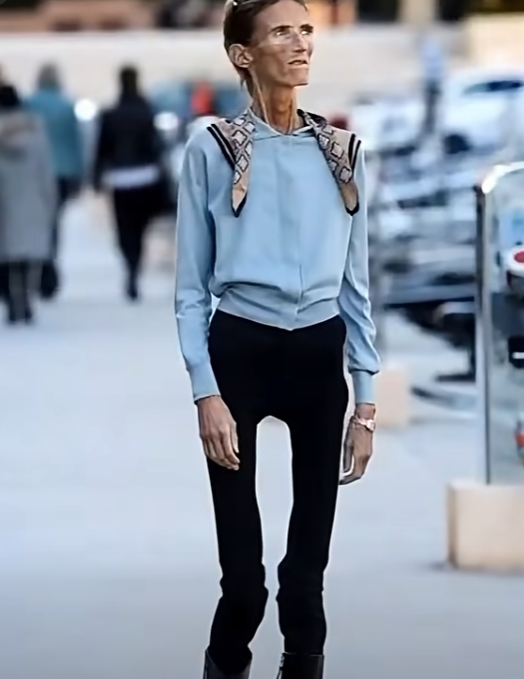
In a world where beauty standards are constantly changing and social media often influences how people view themselves, it is important to remember that every person deserves respect, kindness, and understanding. Behind every photograph is a real human being with personal experiences, challenges, emotions, and a story that may not always be visible to the outside world.
The story of Valeria Levitina has attracted public attention because it highlights the serious consequences that can be associated with extreme dieting, unhealthy expectations, and the pressure to meet unrealistic beauty standards. Her experience also reminds us that conversations about appearance should never come at the expense of someone’s dignity or well-being.
The Pressure to Meet Society’s Beauty Standards
For many people, appearance can become a source of unnecessary pressure. Television, advertising, fashion trends, and social media frequently present narrow ideas about what an attractive person should look like.
These images can create unrealistic expectations, especially for individuals who are already struggling with confidence or self-esteem.
Over time, some people may begin comparing themselves with celebrities, influencers, or carefully edited photographs. What begins as ordinary curiosity can sometimes develop into dissatisfaction with their own appearance.
However, beauty is not defined by a particular clothing size, body shape, or number on a scale. Every individual is different, and physical appearance should never determine someone’s value as a human being.
Understanding Valeria Levitina’s Story
Valeria Levitina became widely discussed in media coverage because of her reported experiences with severe weight loss and the attention surrounding her physical condition.
Her story is often referenced in conversations about the dangers of extreme dieting and the importance of recognizing unhealthy relationships with food and body image.
Rather than viewing her experience as entertainment or focusing exclusively on photographs, it is more meaningful to consider the broader issues her story brings to light.
Serious eating-related difficulties are complex. They can involve psychological, emotional, social, and physical factors. They should not be reduced to simple assumptions about appearance or personal choices.
People experiencing these difficulties need compassion, professional support, and an environment where they can seek help without fear of embarrassment or judgment.
Why Extreme Dieting Can Be Dangerous
Maintaining good health involves more than following a popular diet or trying to achieve a particular appearance.
The human body requires adequate nutrition to support everyday activities, maintain energy, regulate important biological processes, and protect overall health.
Extreme dietary restrictions can interfere with these functions. Depending on their severity and duration, they may contribute to nutritional deficiencies, weakness, fatigue, and other serious health complications.
Another important concern is that unhealthy eating patterns can affect emotional well-being. People experiencing difficulties with food may struggle with anxiety, isolation, low confidence, or persistent concerns about their appearance.
This is why extreme dieting should never be promoted as a shortcut to achieving beauty or success.
Healthy habits should focus on nourishment, balance, and long-term well-being rather than unrealistic expectations.
The Importance of Mental Health and Emotional Support
One of the most important lessons associated with stories like Valeria’s is the need to take mental health seriously.
Eating-related difficulties are not simply a matter of willpower. They can be influenced by many factors, including emotional stress, personal experiences, social expectations, and psychological challenges.
Someone who is struggling may not always feel comfortable discussing their situation with family members or friends.
This makes understanding and supportive communication especially important.
Instead of criticizing someone’s appearance or making assumptions about their health, we should encourage conversations that are respectful and compassionate.
A supportive environment can help people feel less isolated and more comfortable seeking appropriate professional assistance.
How Social Media Can Influence Body Image
Social media has created opportunities for people to share experiences, discover communities, and express themselves.
However, it can also expose users to unrealistic images and constant comparisons.
Many photographs online are edited, carefully selected, or presented under specific lighting conditions. As a result, they may create expectations that are difficult or impossible for ordinary people to meet.
Young people can be particularly vulnerable to these influences while developing their identities and understanding their self-worth.
Parents, educators, and communities can help by encouraging media awareness and reminding individuals that online images do not represent the full reality of someone’s life.
It is also important to remember that a person’s value cannot be measured through likes, comments, followers, or physical appearance.
Why Kindness Matters More Than Appearance
Public discussions about someone’s physical condition can easily become insensitive, particularly when photographs are shared without meaningful context.
Although people may be curious about unusual or widely reported stories, curiosity should never become an excuse to humiliate another person.
Negative comments about someone’s body can contribute to feelings of shame, anxiety, and social isolation.
We should therefore think carefully before commenting on another person’s appearance.
A respectful discussion focuses on awareness, education, and the importance of health rather than judgment or ridicule.
Valeria Levitina’s story provides an opportunity to reflect on these issues and consider how society can become more understanding toward people facing difficult personal circumstances.
Building a Healthier Relationship With Food and Yourself
Developing a healthy relationship with food and body image is an important part of overall well-being.
There is no single appearance that defines health, happiness, or personal success.
People have different bodies, nutritional requirements, lifestyles, and individual circumstances. What works for one person may not be suitable for another.
A balanced approach to well-being can include:
- Eating a varied and nourishing diet that supports the body’s needs.
- Avoiding extreme dietary restrictions and unverified health advice.
- Developing a positive relationship with food.
- Seeking qualified medical guidance when experiencing health concerns.
- Recognizing that self-worth is not determined by physical appearance.
- Limiting exposure to social media content that encourages unhealthy comparisons.
- Reaching out to trusted people when experiencing emotional difficulties.
For anyone experiencing persistent concerns about eating, weight, or body image, speaking with a qualified healthcare professional can be an important step toward receiving appropriate support.
A Story That Encourages Reflection Rather Than Judgment
The story of Valeria Levitina should not be treated simply as a comparison between photographs or as an opportunity to make comments about someone’s appearance.
Its deeper significance lies in the conversations it encourages about unrealistic beauty expectations, extreme dieting, mental health, and the way society treats people who look different.
Every person deserves to feel respected, regardless of their appearance or personal circumstances.
We should celebrate healthy habits without encouraging dangerous restrictions, promote confidence without creating unrealistic standards, and approach sensitive personal stories with empathy.
Most importantly, we should remember that behind every headline is a human being.
The greatest lesson is simple: Health matters more than appearance, kindness matters more than criticism, and no one should feel pressured to risk their well-being to satisfy society’s expectations of beauty.