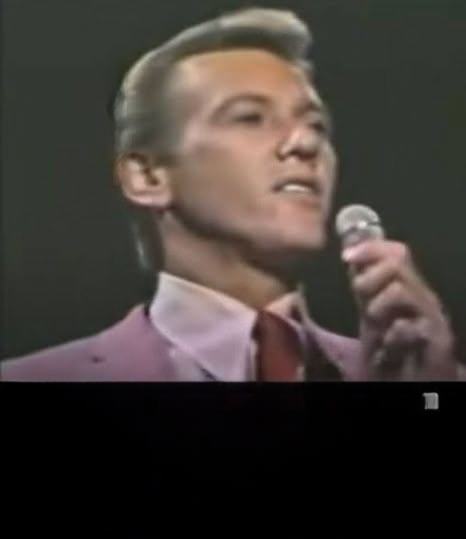
The Story Behind “Unchained Melody”: How a Song From 1955 Became One of the Most Beloved Ballads in Music History
Introduction: A Timeless Song That Continues to Touch Hearts
Some songs become popular for a short period, while others remain meaningful for generations. They become part of people’s memories, accompany important moments in life, and continue to attract listeners long after their original release. Few songs demonstrate this remarkable ability as clearly as “Unchained Melody.”
Originally written in 1955 by composer Alex North and lyricist Hy Zaret, the song has become one of the most recognizable romantic ballads in music history. Its emotional melody, expressive vocal performances, and themes of love, longing, and separation have helped it maintain a special place in popular culture.
Although many modern listeners immediately associate the song with The Righteous Brothers, its history began years before their famous recording. The original version was performed by Todd Duncan for the motion picture Unchained, a 1955 film that provided the inspiration for the composition.
Over the decades, numerous artists recorded their own interpretations. Each brought a different musical personality to the composition, demonstrating its remarkable versatility.
However, The Righteous Brothers’ 1965 recording became particularly influential. Featuring Bobby Hatfield’s memorable lead vocal, the performance introduced the song to another generation and eventually became closely associated with the romantic film Ghost, released in 1990.
The renewed popularity following the movie helped establish “Unchained Melody” as a musical classic recognized by audiences around the world.
But what makes this particular song so special? How did a composition originally written for a relatively little-known prison film become one of the most frequently recorded songs of the twentieth century?
To understand its remarkable journey, it is worth exploring the people behind the music, the original recording, its most famous interpretations, and the cultural moments that helped keep it alive.
The Beginning: How “Unchained Melody” Was Created in 1955
The history of “Unchained Melody” begins with two talented American songwriters: Alex North and Hy Zaret.
Alex North was an accomplished composer who became particularly respected for his work in film music. His career included compositions for several important motion pictures, and he was known for bringing emotional depth and musical sophistication to cinematic storytelling.
Hy Zaret, whose birth name was Hyman Zaritsky, was an experienced lyricist who had worked on popular songs and other musical projects.
The two creators combined their talents to develop a composition that would become much more famous than the film for which it was originally written.
In 1955, North was working on the musical score for Unchained, a prison drama directed by Hall Bartlett.
The film explored the lives and experiences of incarcerated individuals and considered the possibility of rehabilitation and life beyond imprisonment.
North was asked to develop a song connected to the film’s central themes.
He approached Zaret to create lyrics that would complement the melody.
The result was “Unchained Melody,” a composition whose emotional subject matter extended beyond the original film.
Its themes of longing, separation, and the desire to reconnect with someone important gave the song a meaning that audiences could understand regardless of the movie’s setting.
Interestingly, the song’s title was connected to the film rather than being a phrase directly repeated in its lyrics.
This helped give the composition a distinctive identity.
What began as a piece of music written for a particular cinematic production eventually developed a life of its own.
Who First Recorded “Unchained Melody”?
Many people assume that The Righteous Brothers were the first artists to record “Unchained Melody.”
However, the original performance came from American singer Todd Duncan.
Duncan was an accomplished baritone singer who had an important career in classical music and musical theater.
He became particularly respected for his involvement in the original stage production of Porgy and Bess and for his contributions to American musical performance.
In the film Unchained, Duncan performed the song as part of the original soundtrack.
His interpretation provided the first recorded version associated with the motion picture.
Although the film itself did not achieve the same lasting recognition as the song, the composition quickly attracted attention from other performers.
Several recordings appeared during 1955, demonstrating that the song had considerable appeal almost immediately after its introduction.
This early success is important because it shows that “Unchained Melody” was not originally a forgotten composition that became famous only decades later.
It attracted listeners during the year of its release and quickly became a popular recording choice among musicians.
The Song’s Early Success and Its Growing Popularity
The year 1955 was an important period for “Unchained Melody.”
Several artists recorded their own versions, and some achieved impressive commercial results.
Among the early recordings were interpretations by Al Hibbler, Les Baxter, and Roy Hamilton.
Each version approached the composition from a different musical perspective.
Al Hibbler delivered a vocal interpretation that emphasized the emotional qualities of the melody.
Les Baxter released an instrumental arrangement that demonstrated how powerful the composition could be without lyrics.
Roy Hamilton brought his own expressive vocal style to the song, helping it reach another audience.
The success of these early recordings was unusual.
Multiple interpretations of the same composition appeared on important music charts during the same period.
This demonstrated the strength of the underlying melody and the interest it generated among listeners.
It also helped establish “Unchained Melody” as a composition that could work across different musical arrangements.
Some listeners preferred the emotional qualities of vocal recordings, while others appreciated the instrumental versions.
The song’s growing popularity during 1955 laid the foundation for its long-term success.
Alex North: The Composer Behind the Beautiful Melody
<AsyncImage query=”Alex North American film composer black and white portrait” aspectRatio=”5:4″ width=”100%”/>
Alex North played an essential role in creating the musical identity of “Unchained Melody.”
Born in Pennsylvania in 1910, North developed an interest in music at an early age.
He studied music and eventually became known for his work in film scoring.
His compositions demonstrated an ability to combine classical influences with expressive musical techniques that supported cinematic storytelling.
North worked on several important productions throughout his career.
Among his best-known film scores were those for A Streetcar Named Desire, Spartacus, and Cleopatra.
His work was recognized for its emotional depth and distinctive musical character.
North also became associated with major developments in American film music.
His compositions demonstrated that movie soundtracks could contribute significantly to the emotional experience of a film rather than functioning simply as background accompaniment.
“Unchained Melody” remains one of his most recognizable compositions.
Its enduring popularity demonstrates the lasting influence of his ability to create memorable melodies.
Although North wrote music for many productions, this particular song reached audiences far beyond the original cinematic setting.
The composition continues to be performed by musicians who appreciate its musical structure and emotional qualities.
Hy Zaret: The Lyricist Who Helped Give the Song Its Meaning
<AsyncImage query=”Hy Zaret lyricist Unchained Melody black white portrait” aspectRatio=”5:4″ width=”100%”/>
The lyrics of “Unchained Melody” were written by Hy Zaret.
Born in New York in 1907, Zaret developed a career as a songwriter and lyricist.
His work included popular music, advertising jingles, and other creative projects.
His collaboration with Alex North resulted in a composition that became one of the most widely recognized romantic ballads of the twentieth century.
One interesting aspect of Zaret’s contribution was his ability to create words that communicated longing without depending on complicated storytelling.
The song expresses emotions that are familiar to many people.
Separation, affection, memories, and the desire to be reunited with someone important are experiences that can be understood across different cultures and generations.
Zaret’s writing helped transform North’s melody into a complete musical experience.
The lyrics and music complement one another, allowing singers to interpret the composition in different ways while preserving its central emotional character.
Zaret died in 2007, but his contribution remains an important part of American songwriting history.
The Righteous Brothers and Their Famous 1965 Recording
<AsyncImage query=”The Righteous Brothers Bobby Hatfield Bill Medley 1960s black and white photograph” aspectRatio=”16:9″ width=”100%”/>
Although “Unchained Melody” was already successful during the 1950s, its association with The Righteous Brothers helped introduce it to a much wider audience.
The American musical duo consisted of Bill Medley and Bobby Hatfield.
They became known for their powerful vocal performances and a musical style often associated with blue-eyed soul.
Their recording of “Unchained Melody” was released in 1965.
Unlike some earlier versions, this interpretation placed considerable emphasis on Bobby Hatfield’s lead vocal performance.
Hatfield’s delivery became one of the defining elements of the recording.
His expressive approach, controlled phrasing, and ability to build emotional intensity throughout the performance helped create a memorable interpretation.
Bill Medley was also an important part of the duo’s musical identity.
His lower vocal range and musical experience contributed to the group’s distinctive sound.
The recording became a significant success and reached number four on the Billboard Hot 100 in the United States.
Interestingly, “Unchained Melody” was initially released as the B-side of a single whose intended main track was “Hung on You.”
However, radio DJs began giving greater attention to the B-side.
Listeners responded strongly to the song, and its popularity eventually surpassed the original expectations surrounding the release.
This unexpected development became an important moment in the recording’s history.
It demonstrated that a song’s success is not always determined by the original promotional plans.
Sometimes, listeners discover a particular recording and give it a life of its own.
Bobby Hatfield’s Extraordinary Vocal Performance
<AsyncImage query=”Bobby Hatfield Righteous Brothers singing microphone 1965 performance” aspectRatio=”16:9″ width=”100%”/>
Bobby Hatfield’s performance remains one of the most recognizable aspects of “Unchained Melody.”
His interpretation demonstrated how a singer could create emotional intensity through vocal control and musical expression.
Rather than relying only on volume, Hatfield gradually developed the performance as the melody progressed.
His voice moved between softer passages and more powerful moments, creating a sense of emotional movement.
This approach helped the recording stand apart from many other versions.
One particularly memorable feature was his handling of the final section of the composition.
Hatfield introduced an expressive variation that became closely associated with the Righteous Brothers’ interpretation.
Later performers sometimes used elements of his approach when recording their own versions.
His performance also helped establish the song as a popular choice for singers interested in demonstrating vocal range and emotional expression.
Although the composition existed long before the duo recorded it, Hatfield’s interpretation became a defining reference point for many listeners.
The Connection With the Movie Ghost
<AsyncImage query=”Ghost 1990 movie Patrick Swayze Demi Moore pottery scene official film still” aspectRatio=”16:9″ width=”100%”/>
One of the most important moments in the history of “Unchained Melody” came in 1990, when the song appeared in the romantic fantasy film Ghost.
Directed by Jerry Zucker, the movie starred Patrick Swayze, Demi Moore, and Whoopi Goldberg.
The story follows a man who dies unexpectedly and attempts to remain connected with the woman he loves.
The film combines romance, supernatural storytelling, suspense, and emotional drama.
Its central themes made “Unchained Melody” a natural musical choice.
The song’s association with the film became particularly memorable through a romantic pottery scene involving Swayze and Moore.
The scene became one of the most recognizable moments in popular cinema.
The music helped create an emotional atmosphere that connected the characters’ relationship with the song’s themes of love and longing.
Although the Righteous Brothers’ recording had already been successful in 1965, its appearance in Ghost introduced it to a new generation of viewers.
The film became a major international success, and audiences began rediscovering the recording.
The renewed interest was so significant that the song returned to music charts and achieved another period of commercial popularity.
This second wave of success helped secure its position as one of the most recognizable romantic recordings in modern popular culture.
Why Ghost Introduced the Song to a New Generation
The success of Ghost demonstrated how film and music can influence one another.
A memorable song can help strengthen a movie scene, while a successful movie can introduce an older recording to millions of new listeners.
Before the release of Ghost, younger audiences may not have been familiar with The Righteous Brothers’ 1965 version.
However, the film provided a new context for hearing the composition.
Instead of experiencing it only as an older romantic ballad, audiences encountered it as part of a contemporary cinematic love story.
The connection became particularly powerful because the film explored themes of separation and emotional attachment.
These themes were already present in the song.
The result was a relationship between music and storytelling that helped both remain culturally significant.
Even people who had never watched the original 1955 film could recognize the composition through its association with Ghost.
This is one reason why the 1990 revival remains such an important chapter in the song’s history.
More Than 1,500 Recordings: A Remarkable Musical Legacy
One of the most impressive facts about “Unchained Melody” is the number of times it has been recorded.
According to the Songwriters Hall of Fame, more than 670 artists have recorded over 1,500 versions of the composition in multiple languages.
This remarkable number demonstrates its international appeal.
The song has been interpreted by performers from different musical backgrounds, including pop, soul, country, classical, and easy-listening traditions.
Some artists have remained close to the original arrangement, while others have created interpretations with distinctive instrumental choices and vocal styles.
Its adaptability is one of its greatest strengths.
A solo singer can perform it with a simple piano accompaniment, while a larger orchestra can create a more dramatic interpretation.
The melody also works in instrumental arrangements, allowing audiences to appreciate its musical qualities without lyrics.
This flexibility has helped the composition remain relevant as musical styles have changed.
Rather than belonging exclusively to one generation or genre, “Unchained Melody” has become part of a much broader musical tradition.
Other Famous Artists Who Recorded Unchained Melody
<AsyncImageGroup query={[“Elvis Presley performing live 1977 Unchained Melody piano”,”Al Hibbler singer portrait 1950s”,”Roy Hamilton singer portrait 1950s”,”Les Baxter orchestra conductor portrait”]} aspectRatio=”5:4″ layout=”bento”/>
The Righteous Brothers are strongly associated with the song, but many other artists have also recorded memorable interpretations.
Al Hibbler
Al Hibbler was among the earliest successful performers to record the composition in 1955.
His version helped establish the song’s early popularity and demonstrated its emotional appeal.
Les Baxter
Les Baxter released an instrumental arrangement that became a commercial success.
His recording showed that the melody could communicate emotion without a vocal performance.
Roy Hamilton
Roy Hamilton also recorded the song during 1955.
His interpretation contributed to the early chart success that made the composition widely recognized.
Elvis Presley
Elvis Presley performed “Unchained Melody” during the later years of his career.
His interpretation reflected his distinctive vocal personality and included a piano performance.
His live version became particularly associated with his 1977 concert appearances.
Other International Performers
The song has also been interpreted by numerous international artists, including performers from the United Kingdom and other countries.
Its continued popularity has encouraged musicians to adapt it for different languages, arrangements, and audiences.
These recordings demonstrate the extraordinary ability of one composition to connect with performers from very different musical traditions.
Why the Melody Is So Emotionally Powerful
The popularity of “Unchained Melody” cannot be explained by nostalgia alone.
Its musical structure and expressive qualities also contribute to its continuing appeal.
The composition features a memorable melody that gradually develops emotional intensity.
Its musical phrasing gives singers opportunities to communicate different shades of feeling.
The arrangement can begin gently before building toward a more powerful conclusion.
This progression creates a sense of anticipation and emotional release.
The song also allows performers considerable freedom.
Different singers can emphasize particular musical passages, adjust the arrangement, or introduce their own interpretation.
Some performances focus on softness and intimacy, while others highlight vocal strength and dramatic expression.
The composition’s adaptability helps explain why it continues to attract musicians.
Its emotional themes are also broadly understandable.
People from different backgrounds can relate to the experience of missing someone important or remembering a meaningful relationship.
The song does not depend on a complicated story.
Instead, it communicates familiar emotions through music and expressive language.
The Meaning Behind the Song’s Title
The title “Unchained Melody” is interesting because the word that gives the composition its name does not appear directly in the lyrics.
The title connects the song to the original film, Unchained.
However, over time, listeners have developed their own interpretations of what the title represents.
The idea of being unchained can suggest freedom, separation, emotional distance, or the desire to escape limitations.
In the context of the composition, these ideas can be connected to longing and the wish to reconnect with someone important.
The title therefore works on more than one level.
It identifies the original film connection while also allowing listeners to interpret the composition through their own experiences.
This openness is one reason the song has remained meaningful for so many different audiences.
The Song’s Academy Award Recognition
“Unchained Melody” also received recognition from the film industry during its original period.
The composition was nominated for the Academy Award for Best Original Song following its appearance in the 1955 film.
The nomination helped acknowledge the quality of the work created by Alex North and Hy Zaret.
Although it did not win, the recognition was an important achievement for the songwriters.
The award was ultimately given to another composition, “Love Is a Many-Splendored Thing.”
The nomination nevertheless demonstrated that the song had artistic significance beyond its commercial popularity.
It also connected the composition to the wider history of American film music.
Today, the song is remembered not only as a successful popular recording but also as an important example of music created for cinema.
How the Song Crossed Generations
One of the most remarkable aspects of “Unchained Melody” is its ability to remain relevant to listeners of different ages.
People who first encountered the song in the 1950s may remember its early recordings.
Others may associate it with The Righteous Brothers and the music of the 1960s.
For younger audiences, the most familiar connection may be the film Ghost.
Different generations therefore have different reasons for recognizing the composition.
Some remember hearing it on the radio, while others discovered it through movies, family recordings, or modern performances.
This variety of experiences has helped keep the song alive.
It has also become a popular choice for weddings, anniversaries, concerts, and other meaningful occasions.
Its romantic themes make it suitable for moments when people want music that expresses affection and emotional connection.
The song’s continued presence in popular culture demonstrates that meaningful compositions can survive changes in musical trends.
The Importance of Music in Preserving Memories
Music has a special relationship with memory.
A particular melody can remind someone of a person, a place, or an important moment from the past.
Sometimes, hearing a familiar recording can bring back memories that have not been consciously considered for years.
“Unchained Melody” is a good example of how a song can become connected to personal experiences.
For some listeners, it may recall a romantic relationship.
For others, it may bring back memories of family gatherings, earlier generations, or favorite films.
The association with Ghost also created a shared cultural memory for audiences who experienced the film during its original release.
These connections help explain why songs can remain meaningful even when musical fashions change.
The emotional importance of music is not determined only by commercial success.
It is also influenced by the memories and experiences that listeners attach to particular compositions.
The Lasting Legacy of Unchained Melody
More than seven decades after its creation, “Unchained Melody” continues to hold an important position in music history.
Its journey began with a prison film in 1955, but its popularity quickly extended beyond the original production.
The early recordings helped establish the composition as a successful song.
The Righteous Brothers introduced a particularly influential interpretation in 1965.
The film Ghost then brought the recording back into public attention in 1990.
Since then, artists around the world have continued to perform and record the composition.
Its musical qualities, expressive possibilities, and universal themes have helped it remain relevant across generations.
The story also demonstrates the importance of collaboration.
Alex North’s melody and Hy Zaret’s lyrics created the foundation for a composition that would become much larger than its original purpose.
Todd Duncan introduced it to audiences, while later performers helped expand its influence.
Bobby Hatfield’s interpretation became particularly memorable, and the movie Ghost provided another major cultural moment.
Each chapter contributed to the song’s remarkable history.
Conclusion: A Musical Classic That Will Continue to Live On
“Unchained Melody” is much more than a romantic ballad from the 1950s.
It is a composition that has traveled through generations, musical styles, and different forms of entertainment.
Created by Alex North and Hy Zaret for the 1955 film Unchained, the song first reached audiences through Todd Duncan’s performance.
Its early recordings quickly established its popularity, while The Righteous Brothers’ 1965 interpretation gave it a new identity.
Bobby Hatfield’s expressive vocals helped make that recording particularly memorable.
Then came Ghost in 1990, which introduced the song to another generation and strengthened its association with romance and emotional storytelling.
Today, the composition remains one of the most frequently recorded songs in music history.
Its continued popularity demonstrates the power of a memorable melody and the importance of music in expressing emotions that people share across generations.
Some songs are remembered because they dominate charts or reflect a particular musical era.
Others remain important because they become part of people’s lives.
“Unchained Melody” belongs to the latter category.
Its history is a reminder that great music does not necessarily belong to one decade.
A composition created for a film in 1955 can continue inspiring musicians and touching listeners many decades later.
That is the remarkable story behind one of the world’s most beloved musical ballads.
Frequently Asked Questions About Unchained Melody
1. Who wrote Unchained Melody?
“Unchained Melody” was written by composer Alex North and lyricist Hy Zaret in 1955.
2. When was Unchained Melody originally released?
The song was introduced in 1955 as part of the soundtrack for the film Unchained.
3. Who originally sang Unchained Melody?
The original film performance was sung by American baritone Todd Duncan.
4. When did The Righteous Brothers record Unchained Melody?
The Righteous Brothers released their famous recording in 1965, featuring Bobby Hatfield on lead vocals.
5. Why is Unchained Melody associated with the movie Ghost?
The Righteous Brothers’ recording featured prominently in the 1990 romantic fantasy film Ghost, starring Patrick Swayze and Demi Moore.
6. Did Unchained Melody win an Academy Award?
No. The song was nominated for the Academy Award for Best Original Song but lost to “Love Is a Many-Splendored Thing.”
7. How many artists have recorded Unchained Melody?
According to the Songwriters Hall of Fame, more than 670 artists have recorded over 1,500 versions of the composition.
8. What makes the Righteous Brothers’ version special?
Bobby Hatfield’s expressive lead vocal and the recording’s dramatic musical development helped make it one of the most recognizable interpretations.
9. Did Elvis Presley record Unchained Melody?
Yes. Elvis Presley performed and recorded the song, including a live performance during his 1977 concert period.
10. Why is Unchained Melody still popular?
Its memorable melody, emotional themes, musical flexibility, and appearances in popular films have helped it remain meaningful to audiences across generations.
11. What was the original movie Unchained about?
The 1955 film explored prison life and the possibility of rehabilitation, providing the original context for the song’s creation.
12. Who composed the music for Unchained Melody?
Alex North composed the music, while Hy Zaret wrote the lyrics.