Former Goodyear Sixth-Grade Teacher Sentenced to 20 Years in Prison: A Case That Raised Serious Questions About Student Safety
Posted on May 21, 2026 | News & Community
GOODYEAR, ARIZONA — A criminal case involving a former sixth-grade teacher in Goodyear, Arizona, brought attention to the responsibilities educators carry and the importance of protecting students in school environments.
The case involved Brittany Zamora, a former teacher at Las Brisas Academy, who pleaded guilty to criminal charges involving a 13-year-old student. In July 2019, she was sentenced to 20 years in prison, followed by lifetime probation requirements.
The case attracted considerable public attention because it involved an educator who had been entrusted with supervising and teaching children. It also prompted discussions about professional boundaries, communication between teachers and students, parental involvement, and the procedures schools should follow when concerns arise.
Although the original headline circulating online refers to a 187-year sentence, that figure does not belong to the Goodyear case. It is associated with a separate Arizona criminal case involving a former teacher in the Mesa area.
Understanding the distinction is important when reporting on criminal proceedings, particularly when the people involved include children and their families.
The Goodyear case remains an example of why schools must take safeguarding responsibilities seriously and why concerns involving inappropriate adult-student relationships should be addressed through appropriate reporting channels.
How the Investigation Began
The events leading to the investigation became known in March 2018.
According to the Maricopa County Attorney’s Office, the student’s parents discovered evidence of inappropriate communication between their son and his teacher while reviewing information on his phone through a parental monitoring application.
The discovery raised immediate concerns.
Parents naturally expect teachers to maintain appropriate professional relationships with students. Communication between educators and children is sometimes necessary for schoolwork, assignments, and classroom activities. However, those interactions must remain within appropriate professional boundaries.
In this case, the information discovered by the parents led them to contact the relevant authorities.
School personnel also alerted law enforcement.
Investigators subsequently examined the communications and circumstances surrounding the relationship.
The investigation revealed that Zamora had initially contacted the student through text messages during a school break. According to prosecutors, the communication developed into an inappropriate relationship.
The case demonstrated how digital communication can become an important part of investigations involving potential misconduct by adults in positions of authority.
Messages, communication records, and other available evidence can help investigators establish timelines and understand the circumstances surrounding reported incidents.
For the student’s family, discovering the communications was an extremely difficult experience.
They had trusted the school to provide an environment where their child could learn and develop. Learning that a teacher had crossed professional boundaries created serious concerns about the student’s well-being.
The Teacher’s Position of Responsibility
Teachers occupy an important position in children’s lives.
During elementary and middle school, students spend significant portions of their days under the supervision of educators.
Teachers help students develop academic abilities, social skills, confidence, and a sense of responsibility.
Because of this relationship, schools establish professional standards governing how teachers communicate with students and interact with them outside ordinary classroom activities.
These standards exist to protect children and ensure that educational relationships remain appropriate.
An educator’s responsibility does not end when the school day finishes.
Communication through messaging applications, educational platforms, email, and other digital services must also follow established rules.
The Goodyear case highlighted why these expectations matter.
The fact that an adult works in education does not remove the need for professional accountability. In fact, the authority and trust associated with the position make those responsibilities particularly important.
Students should never be expected to manage inappropriate behavior from adults independently.
When concerns arise, schools and authorities must respond through established procedures.
What Investigators Discovered
As the investigation continued, authorities examined the communications between the teacher and the student.
The Maricopa County Attorney’s Office reported that the relationship involved conduct that went beyond ordinary teacher-student interaction.
Investigators also established that at least one incident occurred at the school while another minor was present.
The details became part of the criminal proceedings.
Rather than repeating sensitive information involving the minor, it is important to focus on the legal findings and the responsibilities of the adults and institutions involved.
The case eventually resulted in a guilty plea.
Zamora pleaded guilty to three offenses:
- Sexual conduct with a minor.
- Attempted molestation of a child.
- Public sexual indecency.
These were the charges associated with the plea agreement and subsequent sentencing.
The outcome brought the criminal proceedings to an important stage, although the consequences for the victim and family extended far beyond the courtroom.
The Court Proceedings and Sentencing
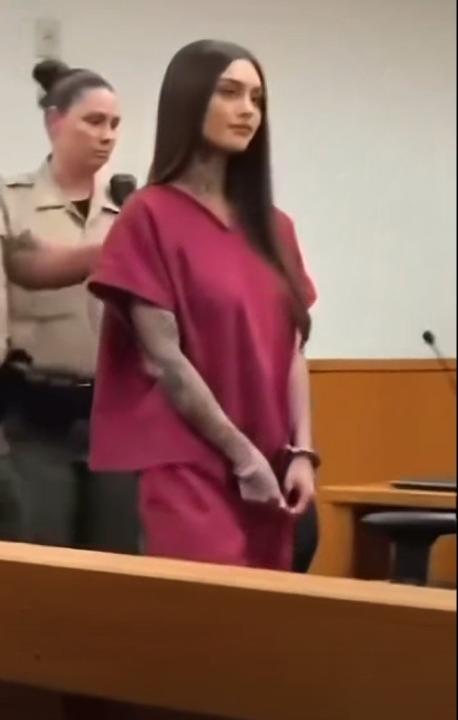
On July 12, 2019, Zamora appeared in Maricopa County Superior Court for sentencing.
The judge imposed a 20-year prison sentence.
She also received two lifetime terms of probation associated with the remaining convictions and was required to register as a sex offender.
The sentence followed her guilty plea to the charges.
The Maricopa County Attorney’s Office described the case as a serious breach of the trust placed in an educator.
At the time, Maricopa County Attorney Bill Montgomery emphasized the responsibility teachers have toward children and the seriousness of exploiting a position of authority.
The sentencing represented the conclusion of the criminal prosecution at that stage.
For the student’s family, however, a court decision could not immediately undo the emotional consequences of what had happened.
Legal accountability is an important part of the justice process, but it does not automatically remove the challenges faced by victims and their families.
Support, privacy, and access to appropriate professional services remain important long after a criminal case receives public attention.
Why the Case Attracted Public Attention
Cases involving educators and students often receive significant public attention because schools are expected to provide safe and supportive environments.
Parents trust teachers with an important responsibility.
They expect schools to supervise students appropriately, establish clear professional boundaries, and respond when concerns are reported.
When a criminal investigation reveals that an educator has violated those expectations, families may begin asking difficult questions.
How did the situation develop?
Were warning signs noticed?
Were reporting procedures followed?
Could additional safeguards have helped identify the problem earlier?
These questions deserve serious consideration.
However, it is equally important to avoid making unsupported claims about individuals or institutions.
A criminal case should be discussed using established court findings, official statements, and reliable reporting.
Speculation can create unnecessary harm, particularly when minors are involved.
The Goodyear case provides an opportunity to examine the broader responsibilities associated with student protection without turning the experience of the victim into sensational entertainment.
The Importance of Recognizing Professional Boundaries
Professional boundaries help establish clear expectations between teachers and students.
They protect children from inappropriate conduct while also helping educators understand the limits of their professional responsibilities.
Schools generally have policies covering several important areas.
Communication outside school
Teachers sometimes need to communicate with students about assignments, schedules, educational activities, or school-related questions.
Such communication should take place through approved channels whenever possible.
Schools can reduce risks by establishing transparent communication procedures and ensuring that parents understand how educators are expected to contact students.
Private conversations that have no legitimate educational purpose should receive appropriate attention under school policies.
Appropriate supervision
Schools are responsible for maintaining reasonable supervision arrangements.
This includes classrooms, hallways, school activities, transportation arrangements, and other settings where adults interact with students.
Clear procedures can help prevent situations in which children are placed in unnecessarily isolated circumstances.
Reporting concerns
Teachers, administrators, school employees, parents, and students should understand how to report concerns.
A reporting system should be accessible, clearly explained, and handled by individuals trained to respond appropriately.
When a concern involves a possible crime, school officials should follow applicable reporting requirements and cooperate with law enforcement.
Staff education
Regular training can help educators recognize inappropriate situations and understand their responsibilities.
Training should address professional conduct, digital communication, student privacy, supervision, and reporting obligations.
Policies are most effective when staff members understand them and administrators apply them consistently.