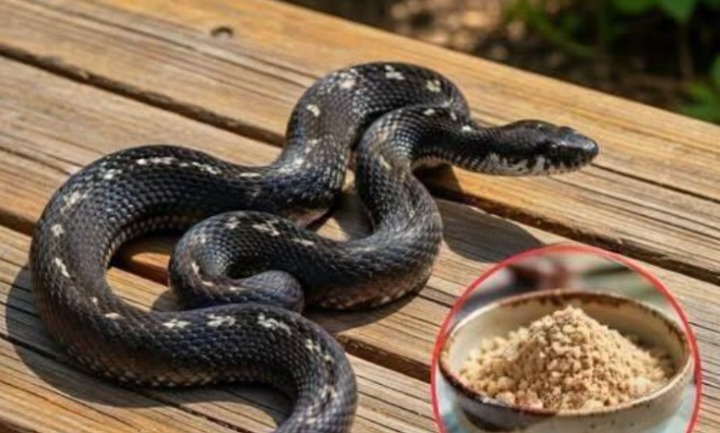
Natural Ways to Keep Snakes Away From Your Home and Garden: Practical Prevention Tips That Really Help
Have you ever stepped into your garden and noticed something moving through the grass? Perhaps you spotted a snake disappearing beneath a pile of leaves, or heard a strange rustling sound near the outdoor storage area.
For many homeowners, discovering a snake near the house can be an unsettling experience. Even people who appreciate wildlife may feel uncomfortable when these reptiles appear near doorways, gardens, garages, or places where children and pets spend time.
Although snakes are often misunderstood, they play an important role in nature. Many species help control populations of mice, rats, and other small animals. They are also part of the natural food chain and contribute to maintaining a healthy ecosystem.
However, appreciating wildlife does not mean you must invite it into your living space.
Fortunately, there are several practical ways to make your property less attractive to snakes without harming them or introducing unnecessary chemicals into your surroundings.
You may have heard that garlic, onions, cinnamon, vinegar, or other household ingredients can keep snakes away. These suggestions are popular online, but there is no dependable evidence that ordinary kitchen ingredients provide reliable protection against snakes.
The good news is that some of the simplest prevention methods are also the most useful. Keeping vegetation under control, removing hiding places, reducing rodent activity, and sealing possible entry points can make a meaningful difference.
In this guide, we will explore practical home and garden maintenance techniques, examine popular natural remedies, explain what actually helps, and share important safety precautions for families living in areas where snakes are commonly found.
1. Why Do Snakes Visit Residential Gardens?
Before trying to discourage snakes from visiting your property, it helps to understand why they might be there in the first place.
Snakes do not usually enter gardens because they are interested in people. They are generally searching for the basic conditions they need to survive.
These include food, shelter, suitable temperatures, and places where they can rest without being disturbed.
A garden can accidentally provide several of these things.
For example, an untidy corner containing long grass, fallen branches, stones, and stored materials may provide excellent hiding places.
If mice and other small animals are also present, the location may become even more attractive.
Snakes are particularly likely to explore areas that offer:
- Tall grass and thick vegetation.
- Piles of firewood, stones, or building materials.
- Quiet spaces beneath outdoor structures.
- Areas with rodents or other small prey.
- Cool, damp spaces during hot weather.
- Sheltered locations where they can rest undisturbed.
This explains why simply purchasing a product advertised as a snake deterrent may not solve the problem.
If the conditions attracting snakes remain unchanged, they may continue visiting the property.
A more sensible approach is to address the underlying reasons they are there.
Wildlife experts commonly recommend habitat modification because removing shelter and food sources makes residential areas less appealing to snakes.
2. Keep Grass and Garden Vegetation Under Control
One of the simplest ways to discourage snakes from settling near your home is to maintain your lawn and surrounding vegetation.
Tall grass provides cover for many small animals, including rodents.
It also makes it more difficult for people to notice wildlife moving through the garden.
When vegetation becomes thick and overgrown, it creates sheltered spaces where snakes can move without being easily seen.
Regular lawn maintenance helps reduce these hiding opportunities.
Consider the following gardening habits:
- Mow the lawn regularly, especially around the house.
- Remove weeds growing along fences and pathways.
- Trim thick vegetation near doors and outdoor seating areas.
- Keep garden paths clear and easy to inspect.
- Remove fallen branches and unnecessary plant debris.
- Avoid allowing dense vegetation to grow directly against the foundation.
You do not need to remove every plant or turn your garden into an empty space.
Healthy gardens can support butterflies, birds, and beneficial insects while still being maintained in a way that reduces unwanted hiding places.
The important thing is to keep frequently used areas visible and accessible.
For additional peace of mind, maintain a reasonably clear strip of short vegetation around the areas where children regularly play.
This will not guarantee that snakes never appear, but it can reduce opportunities for them to remain hidden.
3. Remove Piles of Wood, Rocks, and Garden Debris
A pile of old wooden boards might not seem like a problem.
Neither might a collection of unused bricks or stones.
However, these materials can create exactly the kind of sheltered environment that snakes and their prey may use.
Dark spaces beneath stacked materials provide protection from disturbances and changing weather conditions.
If rodents are also living nearby, the area may become an attractive feeding location.
Take a few minutes to inspect the less frequently used parts of your property.
Look around:
- Garden sheds.
- Outdoor storage areas.
- Fences and boundary walls.
- Unused