The Hidden Risks of Certain Traditional Foods — And Why Preparation Matters
Foods That Require Special Care Before They Reach the Table
Food is an important part of everyday life. It brings families together, provides energy for busy days, and connects people with the traditions of their communities. From simple breakfasts to elaborate holiday meals, the dishes people enjoy often carry memories, cultural meaning, and a sense of comfort.
For most people, eating is a routine activity that requires little thought beyond choosing ingredients and preparing a meal. However, not every food is safe to eat in every form. Certain plants, seafood, and traditional ingredients contain naturally occurring substances that can cause illness when they are improperly prepared or consumed in unsuitable quantities.
These risks do not necessarily mean that the foods themselves should always be avoided. In many cases, the difference between a safe meal and a dangerous one comes down to proper preparation, appropriate storage, reliable sourcing, and knowledge of the ingredient being used.
Around the world, communities have developed preparation methods that allow them to enjoy foods that require special care. These methods may involve removing inedible portions, cooking ingredients thoroughly, soaking or fermenting them under controlled conditions, or following other established food-processing practices.
Understanding these practices is particularly important as people explore international cuisines, try unfamiliar ingredients, or learn about traditional dishes from other cultures.
The subject also highlights an important principle of food safety: a food does not have to look spoiled or smell unpleasant to present a risk. Some naturally occurring toxins cannot be detected reliably through ordinary appearance, taste, or smell.
Learning about these hazards can help consumers make informed decisions without creating unnecessary fear around traditional foods.
Why Some Foods Naturally Contain Harmful Substances
Plants and animals have developed a wide variety of chemical compounds as part of their natural biology. Some compounds help plants defend themselves against insects and other threats. Others occur in particular tissues or organs as part of an organism’s normal functioning.
Although many natural compounds are harmless to humans in ordinary dietary amounts, some can cause illness if the food is consumed in the wrong form or quantity.
These substances are generally known as natural toxins. Their effects depend on several factors, including the specific compound, the amount consumed, the person’s age and health, and the method used to prepare the food.
Certain plant foods, for example, contain compounds that can interfere with normal digestion or affect the nervous system when consumed improperly. Some fish and shellfish may accumulate toxins associated with particular microorganisms in their environment. Other foods may contain substances that require specific processing methods before they can be safely eaten.
It is important to distinguish natural toxins from contamination that occurs during harvesting, transportation, storage, or preparation. Food can become unsafe because of bacteria, viruses, chemicals, or environmental contaminants, but these hazards are not identical to naturally occurring toxins.
Different risks require different prevention methods. Cooking can reduce some biological hazards, but it does not reliably eliminate every natural toxin or chemical contaminant. Freezing, washing, and ordinary refrigeration also have limitations.
For this reason, food safety guidance should be based on the specific ingredient and the hazard involved rather than a general assumption that one preparation method works for everything.
Cassava: An Important Staple That Requires Proper Processing
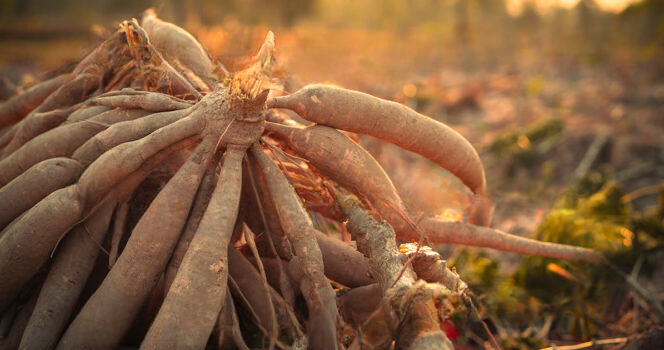
One well-known example of a food that requires careful preparation is cassava, a starchy root crop widely consumed in parts of Africa, Asia, Latin America, and the Caribbean.
Cassava is an important source of dietary energy for millions of people. It can be used to prepare flour, porridge, breads, side dishes, and numerous regional specialties. Its ability to grow under a range of conditions has made it a significant crop in many communities.
However, cassava naturally contains cyanogenic compounds that can release hydrogen cyanide when the plant tissue is damaged and the compounds break down. If cassava is improperly processed, consuming it can lead to cyanide poisoning.
The amount of these compounds varies among cassava varieties and growing conditions. Some varieties contain substantially higher concentrations than others, which is one reason appropriate processing is essential.
Traditional and commercial processing methods may include peeling, grating, soaking, fermenting, drying, and cooking, depending on the product being made. These methods are not interchangeable in every situation, and simply applying heat without following a suitable process should not be assumed to make every cassava product safe.
Consumers should purchase cassava products from reliable sources and follow established preparation instructions for the specific form of cassava they are using.
Ready-to-eat cassava flour and other commercially processed products should be handled according to their packaging instructions. Fresh cassava should not be eaten raw or prepared through guesswork when its safety requirements are unfamiliar.
This example demonstrates why understanding a food’s properties is more useful than describing it as inherently dangerous. Cassava can be an important part of a balanced diet when it is properly processed and prepared.
Why Preparation Methods Can Make Such a Difference
The preparation of food is not simply about improving flavor or texture. In some cases, it is an essential step in reducing hazards that are present in the original ingredient.
Different techniques serve different purposes. Washing can remove some surface dirt and contaminants, while peeling may remove an outer layer that is unsuitable for consumption. Cooking can destroy many disease-causing microorganisms, and properly controlled fermentation can change the chemical and microbial characteristics of certain foods.
Soaking, drying, and other processing methods may also contribute to safety when they are part of a validated procedure for a particular ingredient.
However, these techniques should not be treated as universal solutions. The effectiveness of a process depends on the food, the hazard, and the conditions under which the method is applied.
For example, a preparation method that works for one variety of a root crop may not be sufficient for another. A process suitable for ordinary vegetables may not address toxins in certain wild plants or seafood.
Consumers should therefore rely on recognized food-safety guidance, particularly when preparing ingredients that have specialized requirements.
It is also wise to avoid recipes that make extraordinary safety claims without explaining their sources. A traditional method may have been developed over generations, but when the ingredient has a known toxic component, reliable technical guidance can help establish which preparation steps are essential.
Food traditions and scientific knowledge can complement each other. Understanding why a method works can make it easier to follow consistently and recognize when a shortcut may introduce unnecessary risk.
Fugu: A Seafood Delicacy With Specialized Safety Requirements
Another example frequently discussed in food-safety education is fugu, a Japanese dish prepared from certain species of pufferfish.
Fugu is associated with specialized culinary training because some pufferfish contain tetrodotoxin, a powerful neurotoxin. Depending on the species, the toxin may be concentrated in organs such as the liver, ovaries, intestines, and other tissues.
Tetrodotoxin can interfere with nerve signaling and may cause serious poisoning. Severe cases can involve muscle weakness, paralysis, and breathing difficulties.
A major concern is that ordinary cooking does not reliably destroy tetrodotoxin. Consequently, preparing contaminated pufferfish at home is not a safe way to experiment with the delicacy.
In Japan, the handling and sale of fugu are subject to regulatory requirements that vary by jurisdiction. Specialized training, licensing, and approved handling procedures play important roles in reducing risk.
The details of those requirements should be checked with the relevant local authorities rather than assumed to be identical everywhere.
For consumers interested in trying fugu, the prudent approach is to choose a legally operating establishment that follows the applicable safety requirements. The fish should never be caught and prepared independently by someone who lacks the necessary expertise.
Fugu illustrates a broader lesson about specialized foods: culinary knowledge sometimes includes understanding which parts of an ingredient must not be served and how the remaining portions must be handled.
Its reputation may attract attention, but the central issue is food safety, not the thrill of eating something dangerous.
Certain Mushrooms Can Be Difficult to Identify
Wild mushrooms provide another important example of the risks associated with unfamiliar foods.
Many mushroom species are edible, but others contain toxins that can cause serious illness. Some poisonous varieties closely resemble edible species, making identification difficult for inexperienced collectors.
A mushroom’s color, shape, smell, or apparent freshness cannot reliably establish that it is safe to eat. Nor is there a dependable universal test that can distinguish all edible mushrooms from poisonous ones.
Some toxins can cause gastrointestinal symptoms, while others may damage organs or produce delayed effects. In certain poisonings, a person may initially feel well before serious symptoms develop.
Cooking, drying, or freezing does not reliably make every poisonous mushroom safe. The appropriate response to uncertainty is to avoid eating a wild mushroom unless it has been identified with confidence by a qualified expert using appropriate methods.
People should also be cautious about mushroom identification apps and online photographs. These tools may provide useful preliminary information, but they should not be treated as definitive approval to consume a wild specimen.
For those who enjoy mushrooms, purchasing clearly identified products from reputable sellers is a practical alternative to collecting unfamiliar varieties.
The broader lesson applies to many wild foods: an ingredient should not be considered edible merely because it resembles something familiar.
Seafood Toxins and the Role of the Marine Environment
Some seafood-related hazards originate in the environment rather than from the fish itself producing a toxin.
Certain microscopic algae can generate compounds that accumulate in marine food webs. Shellfish and fish may then carry these toxins, depending on the species, location, and environmental conditions.
One example is ciguatoxin, which can be associated with particular reef fish in tropical and subtropical waters. Ciguatera fish poisoning can cause gastrointestinal and neurological symptoms, and some affected people experience unusual temperature sensations or other prolonged effects.
Another concern involves shellfish toxins associated with harmful algal blooms. Depending on the toxin, illness may involve digestive symptoms, neurological problems, or other serious effects.
The presence of these toxins may not change the seafood’s appearance, smell, or taste. Ordinary cooking and freezing also may not eliminate them.
For this reason, seafood safety depends partly on reliable harvesting information and public-health monitoring. Authorities may issue warnings, restrict harvesting, or close affected areas when conditions create an unacceptable risk.
Consumers should pay attention to official seafood advisories and purchase seafood through reputable suppliers. When a harvesting area is subject to a warning or closure, gathering shellfish independently can present a serious risk.
These examples demonstrate why seafood safety involves more than cooking fish to the right temperature. Cooking remains important for controlling many biological hazards, but it cannot be assumed to neutralize every marine toxin.