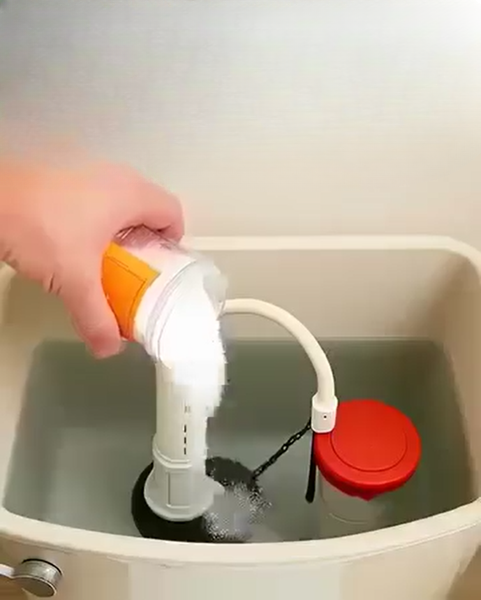
Can Baking Soda Help Reduce Toilet Odors? A Practical Guide to Bathroom Maintenance
Baking soda is a familiar household ingredient used in cooking, baking, and a variety of everyday cleaning tasks. Also known as sodium bicarbonate, it is valued for its mild abrasive properties and its ability to help neutralize certain acidic odors. Because it is inexpensive and widely available, many homeowners look for ways to incorporate it into simple cleaning routines.
One suggestion that frequently appears in household advice is adding baking soda to a toilet tank once a month. The idea is that this small step may help control unpleasant bathroom smells while supporting routine maintenance.
However, it is important to distinguish between what baking soda can reasonably accomplish and what it cannot. Although it can be useful for certain cleaning tasks, regularly adding it to a toilet tank is not a proven solution for every odor problem. Toilet tanks contain components that regulate water flow, and introducing unnecessary substances may not be recommended by every toilet manufacturer.
A better approach is to understand the properties of baking soda, identify the actual source of an unpleasant smell, and choose a cleaning method suited to the problem. With a few practical habits, homeowners can maintain a fresher bathroom without relying on complicated routines or potentially unsuitable cleaning mixtures.
What Is Baking Soda?
Baking soda is the common name for sodium bicarbonate, a white crystalline powder with a range of household applications. In cooking, it acts as a leavening agent when it reacts with an acid and produces carbon dioxide. This gas helps dough and batter rise.
Outside the kitchen, baking soda is often used for light cleaning and odor management. Its mildly alkaline properties allow it to react with certain acidic substances, while its powdery texture can provide gentle abrasion when used appropriately.
These characteristics explain why baking soda appears in so many household cleaning suggestions. It can be useful for freshening some surfaces, cleaning certain types of residue, and helping remove odors associated with specific substances.
Nevertheless, baking soda is not a universal cleaner. It does not dissolve every type of buildup, disinfect every surface, or eliminate every source of an unpleasant smell.
Its effectiveness depends on the material being cleaned, the nature of the residue, the amount used, and how the product is applied.
For example, baking soda may help with light residue in a sink or with odors in a refrigerator. However, a toilet bowl containing mineral deposits, a drain with an obstruction, or a bathroom affected by a plumbing problem may require a different solution.
Understanding these limitations helps homeowners use this inexpensive ingredient more effectively.
Why Do Toilets Develop Unpleasant Odors?
Before choosing a cleaning product, it is helpful to determine why a toilet smells unpleasant. Not all bathroom odors have the same cause, and treating the wrong source can waste time without improving the situation.
Several factors can contribute to toilet and bathroom odors.
Residue beneath the toilet rim
The underside of a toilet rim can collect mineral deposits, cleaning residue, and organic material. Because this area is not always easy to see, it may receive less attention during ordinary cleaning.
Over time, accumulated residue can contribute to unpleasant smells. A suitable toilet brush and an appropriate toilet cleaner can help remove this buildup.
The correct cleaning method depends on the type of residue and the toilet manufacturer’s recommendations.
Buildup in the toilet bowl
The toilet bowl can develop mineral deposits, stains, and residue from ordinary use. Hard water may leave calcium and other mineral deposits, while some areas may experience discoloration from iron or other substances in the water.
These deposits are not necessarily a sign of poor hygiene, but they can make cleaning more difficult if allowed to accumulate.
A cleaner formulated for the particular type of buildup may work better than baking soda alone.
Areas around the toilet base
The floor around the base of a toilet can collect dust, moisture, and residue. If cleaning does not reach these areas, odors may persist even when the bowl itself appears clean.
A damaged seal between the toilet and the floor can also allow wastewater odors to escape. If the smell seems to come from the base of the toilet, particularly when the bathroom is otherwise clean, the problem may require plumbing attention rather than additional cleaning products.
Bathroom drains
Shower, sink, and floor drains can accumulate hair, soap residue, and other material. These substances may contribute to unpleasant odors, especially when drains are rarely cleaned or when water traps are not functioning correctly.
A smell that appears to come from a drain may not be related to the toilet at all.
Drain odors can have several causes, including buildup, an improperly functioning trap, or plumbing ventilation problems. The appropriate remedy depends on the source.
Plumbing and ventilation issues
A toilet’s plumbing system is designed to prevent sewer gases from entering the home. Water in a plumbing trap helps create a barrier between the indoor environment and the drainage system.
If a trap dries out, a seal fails, or a plumbing vent is not functioning properly, unpleasant odors may enter the bathroom.
These problems cannot reliably be solved by adding baking soda to the toilet tank. Persistent sewer-like odors deserve attention because they may indicate a plumbing issue that requires repair.
Identifying the source of a smell is therefore more useful than automatically adding a cleaning ingredient to the tank every month.
Can Baking Soda Reduce Toilet Odors?
Baking soda can help manage certain odors, but its effectiveness depends on the source.
Sodium bicarbonate can neutralize some acidic substances and may help absorb or reduce odors in certain household settings. It is commonly used in refrigerators, rubbish bins, and other areas where mild odor control is useful.
However, its performance in a toilet depends on several factors. Odors arising from residue on the bowl may respond better to physical cleaning. Mineral deposits may require a product designed to dissolve them. A plumbing fault will generally require inspection or repair.
Baking soda should therefore be viewed as an optional household cleaning aid rather than a guaranteed toilet deodorizer.
It is also important to distinguish between applying a small amount of baking soda to an appropriate surface and routinely pouring it into the toilet tank. The tank contains mechanical components, including valves, seals, and other parts responsible for filling and flushing.
Although baking soda is a common household substance, that does not mean manufacturers recommend placing it inside every toilet tank. Unnecessary additives can leave residue or interfere with maintenance practices, depending on the system.
Before putting any cleaning substance into a tank, check the toilet manufacturer’s instructions. If the manufacturer advises against additives, follow that guidance.
For most households, cleaning the bowl and surrounding surfaces with appropriate products is a more direct way to manage ordinary toilet odors.
What Is the Difference Between the Toilet Tank and the Toilet Bowl?
Understanding the distinction between the tank and the bowl is important when choosing a cleaning method.
The toilet tank is the reservoir that holds water before a flush. When the toilet is flushed, a mechanism releases water from the tank into the bowl. The tank then refills through a fill valve.
The bowl is the part of the toilet used directly. It receives waste and flushing water, and it is the main area cleaned during routine toilet maintenance.
Because these parts serve different purposes, they also require different cleaning approaches.
The bowl is designed to receive appropriate toilet cleaners and routine scrubbing. The tank, by contrast, contains mechanical components that can be affected by unsuitable chemicals, tablets, or additives.
Some manufacturers recommend avoiding in-tank cleaning products because certain formulations may damage rubber seals or other components over time. Recommendations vary by toilet model and product, so the manufacturer’s guidance should take priority.
Baking soda is not the same as a strongly corrosive cleaner, but it is still unnecessary to assume that anything safe for general household use is suitable for every tank.
If the tank itself needs cleaning because of visible residue or an unusual smell, consult the manufacturer’s instructions and use a compatible method.
Should You Add Baking Soda to the Toilet Tank Every Month?
A monthly schedule may sound convenient, but there is no universal rule requiring homeowners to add baking soda to their toilet tanks.
The idea is often presented as a simple maintenance trick, yet the benefit depends on the actual problem being addressed. If a toilet has no unusual odor or buildup, adding baking soda to the tank may provide little practical benefit.
If an unpleasant smell is present, the source should be investigated before selecting a remedy.
For example, a toilet bowl with visible residue may need ordinary cleaning. A smell coming from the floor near the toilet may suggest a seal or sanitation issue. A sewer-like smell may indicate a problem involving plumbing traps or ventilation.
Adding baking soda to the tank does not reliably address these different causes.
A monthly maintenance routine can still be useful, but it should focus on tasks that directly support cleanliness and the proper functioning of the toilet.
These tasks may include inspecting the bowl for buildup, cleaning under the rim, wiping the exterior, checking for leaks, and following the manufacturer’s instructions for tank maintenance.
The frequency of cleaning depends on how often the bathroom is used, the number of people in the household, water quality, and personal preferences.
Rather than following a fixed recipe, homeowners can choose a practical schedule that suits their bathroom and plumbing system.
How to Clean a Toilet Bowl Effectively
A straightforward toilet-cleaning routine is usually the best starting point when dealing with ordinary odors.
Step 1: Choose an appropriate cleaner
Select a toilet cleaner designed for the type of bowl and buildup involved. Read the product label and follow the manufacturer’s instructions.
Some products are formulated for routine cleaning, while others are designed to address mineral deposits or specific stains. Using the correct product can improve results and reduce the need for excessive scrubbing.
If the toilet manufacturer provides cleaning recommendations, follow them.
Step 2: Apply the cleaner as directed
Apply the product to the areas specified on the label, paying attention to the underside of the rim and other areas where residue may accumulate.
Allow the cleaner to remain for the recommended period. Leaving a product on longer than instructed does not necessarily improve its performance and may be unsuitable for certain surfaces.
Step 3: Scrub the bowl
Use a toilet brush to clean the bowl, including the waterline and the underside of the rim where accessible.
Scrubbing helps loosen residue that may not be removed by flushing alone.
A brush should be kept clean and allowed to dry appropriately between uses. Store it in a way that avoids leaving standing water in the holder.
Step 4: Flush according to the product instructions
After cleaning, flush the toilet as directed on the product label. Ensure that the bowl is clear of visible residue.
Some products may have specific instructions for water levels or application methods, so it is important to follow the label rather than improvising.
Step 5: Clean the exterior
Wipe the seat, lid, handle, exterior surfaces, and floor around the toilet with suitable cleaning products.
Use separate cleaning materials for different areas where appropriate, and wash your hands afterward.
Cleaning the exterior is important because unpleasant smells can arise from surfaces outside the bowl.
Step 6: Check whether the odor remains
If the smell disappears, routine cleaning may have addressed the source.
If it persists despite appropriate cleaning, consider whether the smell originates from a nearby drain, the toilet base, or the plumbing system.
Persistent odors may require a different remedy or professional inspection.
Can Baking Soda Be Used on the Toilet Bowl Instead?
Baking soda may be suitable for some light cleaning tasks involving the toilet bowl, depending on the toilet’s materials and the nature of the residue.
Its mildly abrasive texture can help loosen certain deposits when used with a brush. However, it is not an effective solution for every sta